Everything You Need to Know About Our Yoga Teacher Training in Rishikesh, India
Tratak Yoga Academy | tratakyoga.com
1. About Tratak Yoga in Rishikesh
Why Choose Tratak Yoga in Rishikesh?
Tratak Yoga offers an immersive learning experience in Rishikesh — the world-renowned “Yoga Capital of the World.” Located near Laxman Jhula and the sacred Ganges River, students benefit from experienced teachers, a comprehensive curriculum, small batch sizes, practical teaching opportunities, and a supportive international community in one of the most spiritually rich settings on Earth.
What Makes Tratak Yoga Different From Other Schools in Rishikesh?
Tratak Yoga blends traditional yogic teachings with modern educational methods, drawing inspiration from the ancient practice of Trataka — focused concentration and inner awareness. Students train across multiple disciplines including Hatha, Ashtanga, Vinyasa, Yin Yoga, Pranayama, Meditation, Philosophy, and Anatomy, creating a balanced and comprehensive learning experience supported by small, personalized batches.
Is Tratak Yoga Suitable for Beginners?
Yes. Tratak Yoga welcomes beginners, intermediate practitioners, and experienced yogis alike. Programs are structured to build confidence and understanding progressively, so no prior yoga experience, flexibility, or teaching background is required.
Is Tratak Yoga Suitable for International Students?
Absolutely. Tratak Yoga welcomes students from around the world and teaches in English to accommodate a global audience. Past students have come from the USA, UK, Canada, Germany, Israel, Australia, and many other countries — creating a diverse, multicultural learning environment.
What Programs Are Available at Tratak Yoga in Rishikesh?
Tratak Yoga Rishikesh offers:
What Is Trataka Meditation?
Trataka is a traditional yogic cleansing and meditation practice involving focused gazing on a single point — typically a candle flame — to improve concentration, mental clarity, and inner awareness. The name “Tratak Yoga” reflects the academy’s core emphasis on cultivating mindfulness, presence, and deeper self-awareness through yoga.
2. Yoga Teacher Training Overview
What Is a Yoga Teacher Training Course?
A Yoga Teacher Training Course (YTTC) is a structured program that deepens your yoga knowledge and prepares you to teach confidently. It covers asana, pranayama, meditation, philosophy, anatomy, teaching methodology, alignment, and practical teaching experience — ideal for both personal growth and professional certification.
Who Can Join a Yoga Teacher Training Course?
YTT is open to anyone with a sincere interest in yoga and self-development — yoga practitioners, fitness professionals, healthcare workers, wellness coaches, and complete beginners. Students of all ages, backgrounds, and nationalities are welcome.
Can Beginners Join?
Yes. Most 200-Hour programs are beginner-friendly. You don’t need to be flexible or have years of practice — a willingness to learn, an open mind, and commitment matter far more than prior experience.
What Styles of Yoga Are Taught?
Students are introduced to a blend of traditional and modern styles, including:
- Hatha Yoga
- Ashtanga Yoga
- Vinyasa Flow
- Yin & Restorative Yoga
- Pranayama Practices
- Meditation Techniques
- Yoga Nidra
- Mantra Chanting
What Certification Will I Receive?
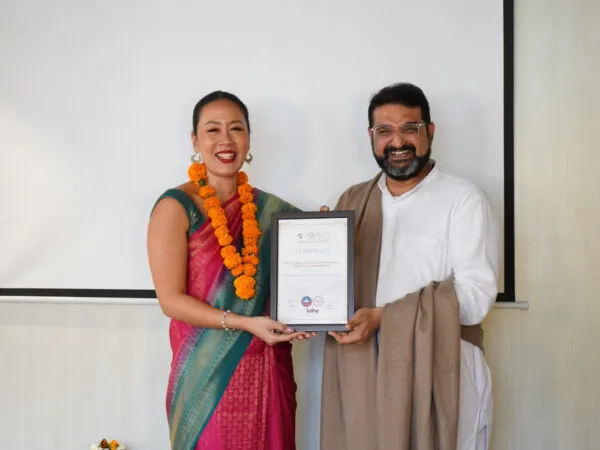
Upon successful completion, students receive a Yoga Teacher Training Certificate confirming completion of the required training hours and curriculum. Graduates can use this certification to pursue teaching opportunities, continue advanced training, or deepen their personal practice.
Is the Course Yoga Alliance Certified?
Yes. Tratak Yoga is registered with Yoga Alliance USA. Graduates of the 200-Hour program may register as RYT-200; completing the 300-Hour program afterward can lead to RYT-500 status.
What Is the Daily Schedule?
A typical training day includes:
- 6:00 AM – Meditation & Pranayama
- 7:00 AM – Asana Practice
- 9:00 AM – Breakfast
- 10:00 AM – Yoga Philosophy
- 11:30 AM – Anatomy & Physiology
- 1:00 PM – Lunch
- 3:00 PM – Teaching Methodology & Alignment
- 5:00 PM – Evening Yoga Practice
- 7:00 PM – Dinner
- 8:00 PM – Self-Study / Group Discussion
What Will I Learn During the Training?
Beyond asana, students gain knowledge in yoga philosophy, meditation, pranayama, anatomy & physiology, teaching methodology, sequencing, alignment, mantra chanting, Ayurveda fundamentals, and yogic lifestyle — preparing you to understand yoga as a complete system for personal and professional growth.
What Are the Benefits of Yoga Teacher Training?
Students commonly report improved flexibility and strength, better posture, reduced stress, greater confidence, enhanced mindfulness, healthier lifestyle habits, professional teaching qualifications, and a lifelong connection to the global yoga community.
Why Choose Rishikesh for Yoga Teacher Training?
Rishikesh is internationally recognized as the Yoga Capital of the World. Its Himalayan surroundings, the sacred Ganges River, and centuries-old yogic traditions create an authentic spiritual atmosphere that supports deep learning, self-discovery, and transformation — a unique opportunity to study yoga at its traditional birthplace.
3. 100-Hour Yoga Teacher Training FAQ
What Is a 100-Hour Yoga Teacher Training Course?
A 100-Hour YTT is a short-term foundational program for students who want to deepen their yoga knowledge without committing to a full 200-Hour certification. It covers asana, pranayama, meditation, philosophy, anatomy, and teaching fundamentals — an excellent starting point for personal growth.
Who Is This Course Designed For?
This course suits complete beginners, yoga practitioners deepening their personal practice, wellness enthusiasts, travelers seeking a meaningful experience in Rishikesh, those exploring a future teaching career, and students with time constraints who can’t commit to 200 hours.
What Subjects Are Included?
The curriculum typically covers:
- Hatha & Ashtanga Yoga
- Basic Alignment & Pranayama
- Meditation (including Trataka)
- Introduction to Yoga Philosophy
- Introduction to Anatomy
- Yoga Nidra & Mantra Chanting
- Teaching Fundamentals & Yogic Lifestyle
Can I Upgrade to a 200-Hour Course Later?
Yes. Most students can complete an additional 100 hours to upgrade to a full 200-Hour Yoga Alliance–eligible certification — a flexible pathway that lets you progress at your own pace.
Is Accommodation Included?
Yes. As a residential program, accommodation is included as part of the package — typically in private or twin-sharing rooms.
Are Meals Included?
Yes. Nutritious vegetarian meals prepared according to yogic dietary principles are included throughout the program, with vegan and special diets often accommodated with advance notice.
Do I Need Previous Yoga Experience?
No. The course is beginner-friendly and does not require any previous teaching or practice experience. The curriculum gradually builds confidence and understanding for all levels.
Why Choose Rishikesh for a 100-Hour Yoga Teacher Training?
Rishikesh — known worldwide as the Yoga Capital of the World — offers a unique environment to learn yoga surrounded by the Himalayan foothills and the sacred Ganges River, immersing students in authentic yogic traditions in a peaceful, spiritually uplifting setting.
4. 200-Hour Yoga Teacher Training FAQ
What Is a 200-Hour Yoga Teacher Training Course?
The 200-Hour YTT is the foundational level of professional yoga education and one of the world’s most popular certifications. It provides comprehensive training in asana, pranayama, meditation, anatomy, philosophy, teaching methodology, alignment, and practical teaching — the first step toward becoming a certified yoga teacher.
Is the Course Yoga Alliance Certified?
Yes. Tratak Yoga’s 200-Hour program is designed according to Yoga Alliance standards, and graduates may register as a Registered Yoga Teacher (RYT-200) after completion.
Can I Teach Yoga After Graduation?
Yes. The 200-Hour certification is widely recognized as the foundational qualification for teaching yoga. Graduates teach in studios, wellness centers, fitness clubs, retreat centers, schools, corporate settings, and online platforms — many also offer private sessions or start their own yoga businesses.
What Subjects Are Covered?
The curriculum includes:
- Hatha, Ashtanga & Vinyasa Yoga
- Yoga Anatomy & Physiology
- Yoga Philosophy & Patanjali’s Yoga Sutras
- Pranayama & Meditation Techniques
- Yoga Nidra
- Teaching Methodology, Alignment & Adjustments
- Class Sequencing & Ethics for Yoga Teachers
- Mantra Chanting & Yogic Lifestyle/Nutrition
How Intensive Is the Training?
The course is immersive and intensive, requiring full-time participation over approximately 22 days (21–28 days range). Daily schedules include physical practice, lectures, workshops, teaching practice, self-study, and reflection — challenging but highly rewarding.
Is Prior Experience Required?
No. Beginners and experienced practitioners are both welcome. While prior experience can help, the course is designed to build knowledge and confidence progressively for all students.
How Long Is the Course?
At Tratak Yoga, the 200-Hour course duration is 22 days, conducted as an intensive residential program. Some schools also offer modular or hybrid formats for added flexibility.
Why Choose Rishikesh for a 200-Hour YTT?
Rishikesh’s spiritual atmosphere, Himalayan surroundings, sacred Ganges River, and centuries-old yogic traditions make it one of the most sought-after destinations for yoga education — offering an authentic yogic lifestyle alongside experienced teachers.
Is a 200-Hour YTT Worth It?
Yes. For most students, a 200-Hour YTT is one of the most valuable investments in personal growth and professional development — providing knowledge, skills, certification, and transformation that benefit both personal life and career.
What Career Opportunities Are Available?
Graduates may pursue roles such as Yoga Studio Instructor, Private Yoga Teacher, Online Instructor, Corporate Yoga Trainer, Retreat Facilitator, Wellness Coach, Community Yoga Educator, School/University Yoga Instructor, or Yoga Studio Owner/Entrepreneur — many also continue to a 300-Hour advanced certification.
5. 300-Hour Yoga Teacher Training FAQ
What Is a 300-Hour Yoga Teacher Training?
A 300-Hour YTT is an advanced-level certification for teachers who have completed a 200-Hour program. It deepens knowledge of yoga philosophy, anatomy, advanced asana, teaching methodology, sequencing, meditation, and specialized disciplines — ideal for refining skills and advancing a professional yoga career.
Who Can Join the Course?
The 300-Hour program is designed for certified yoga teachers who have completed a 200-Hour YTT from a recognized school — including instructors looking to improve their skills, wellness professionals, retreat leaders, yoga entrepreneurs, and practitioners committed to long-term growth.
What Advanced Topics Are Covered?
Advanced subjects may include:
- Advanced Hatha, Ashtanga & Vinyasa
- Yin, Restorative & Kundalini Yoga
- Yoga Therapy Principles & Trauma-Informed Yoga
- Advanced Anatomy & Biomechanics, Functional Movement
- Advanced Pranayama & Meditation Practices
- Yoga Philosophy & Scriptures (Yoga Sutras, Bhagavad Gita, Hatha Yoga Pradipika)
- Ayurveda Fundamentals & Mantra Chanting
- Business and Marketing for Yoga Teachers
Why Upgrade From a 200-Hour Certification?
A 300-Hour certification deepens existing knowledge, refines teaching skills, and helps teachers move beyond the basics — building greater confidence, expertise, authenticity, and access to leadership roles within the yoga and wellness industry.
What Certification Will I Receive?
Graduates receive a 300-Hour Yoga Teacher Training Certificate. At Tratak Yoga, the course duration is 28 days. Combined with a prior 200-Hour certification, this forms the basis of the 500-Hour level of training.
Is It Yoga Alliance Certified?
Many 300-Hour programs follow Yoga Alliance–recognized standards. Students who complete a Yoga Alliance–approved 300-Hour course after their 200-Hour certification may become eligible for advanced registration, subject to current requirements.
Can I Register With Yoga Alliance After Graduation?
Yes. Combining an eligible 200-Hour certification with the 300-Hour program can qualify graduates for RYT-500 registration with Yoga Alliance, depending on current organizational requirements.
What Career Benefits Does a 300-Hour YTT Provide?
Graduates often gain confidence teaching advanced classes, specialized workshops, yoga retreats, teacher training programs, therapeutic sessions, and corporate wellness programs — opening doors to roles such as Senior Yoga Teacher, Yoga Teacher Trainer, Retreat Facilitator, Wellness Consultant, Studio Manager, or Yoga Entrepreneur.
6. Yoga Retreat FAQ
What Is Included in a Yoga Retreat in Rishikesh?
A Yoga Retreat is a wellness-focused experience combining daily yoga and meditation sessions, accommodation, nutritious vegetarian meals, workshops, and excursions — designed for relaxation, self-discovery, and holistic well-being rather than certification or exams.
How Long Are Yoga Retreats?
Retreats range from 3 to 14 days, with customized programs also available. Many first-time visitors choose a 5–7 day retreat for a balanced wellness experience.
Is Yoga Experience Required?
No. Retreats are open to everyone regardless of age, fitness level, or experience — from complete beginners to advanced practitioners. Classes are structured with modifications so everyone can participate comfortably.
What Accommodation Is Available?
Most retreat packages include accommodation throughout the program, with options such as private rooms, twin-sharing rooms, deluxe rooms, and premium upgrades depending on the selected package.
What Food Is Served?
Retreats include nutritious vegetarian meals prepared according to yogic principles, featuring fresh vegetables, seasonal fruits, whole grains, legumes, and herbal teas. Vegan and special dietary requirements can often be accommodated with advance notice (may incur an additional fee).
Are Excursions Included?
Depending on the package, excursions may include the famous Ganga Aarti ceremony, Himalayan nature walks, waterfall visits, temple visits, sunrise viewpoints, ashram visits, and riverbank meditation sessions — giving guests a taste of Rishikesh’s spiritual and natural beauty.
Is Airport Pickup Available?
Yes. Airport pickup assistance from Jolly Grant Airport (Dehradun) may be available — share your flight details after booking so the team can coordinate your arrival. Policies and inclusions vary by package.
What Should I Bring?
Pack comfortable yoga clothing, personal toiletries, a reusable water bottle, walking shoes, a light jacket/shawl, sunscreen, personal medications, a journal, and your passport/travel documents — light and practical packing is recommended.
What Are the Benefits of a Yoga Retreat?
Participants often experience reduced stress, improved flexibility and strength, better sleep, increased mindfulness, greater emotional balance, enhanced self-awareness, and an overall sense of rejuvenation — many describe it as life-changing.
Why Choose Rishikesh for a Yoga Retreat?
Rishikesh is the Yoga Capital of the World, offering a unique combination of spirituality, nature, and authentic yogic traditions. Surrounded by the Himalayan foothills and the sacred Ganges River, it provides the ideal environment for relaxation, self-discovery, and transformation.
7. Travel & Visa FAQ
How Do I Reach Rishikesh? Rishikesh is well-connected by air, rail, and road. International travelers typically fly into New Delhi (Indira Gandhi International Airport), then continue via a domestic flight to Dehradun (Jolly Grant Airport), train to Haridwar, or a private taxi — all leading to Rishikesh.
Which Is the Nearest Airport? The nearest airport is Jolly Grant Airport (Dehradun), located approximately 20–25 km from central Rishikesh, with regular domestic flights connecting to Delhi, Mumbai, Bengaluru, and other major Indian cities. Travel time to most yoga schools in Tapovan/Laxman Jhula is roughly 35–60 minutes by taxi.
Do I Need a Visa for India? Most international students attend YTT courses and retreats in India on a valid visa permitting such activities. Requirements vary by nationality, purpose, and duration of stay — check the latest guidelines from the Indian Embassy/Consulate in your country, or via the official e-Visa portal, before booking travel.
Is Airport Transfer Available? Yes. Airport pickup assistance from Jolly Grant Airport (or rail pickup from Haridwar/Rishikesh stations) may be available — share your flight or train details in advance so transportation can be arranged. Inclusion in the course fee varies by package.
What Is the Best Time to Visit Rishikesh? Rishikesh enjoys pleasant weather October–March (cooler, ideal for practice), April–June is warmer (some prefer cooler months), and July–September is monsoon season with moderate temperatures and higher humidity. Many students find the climate comfortable for most of the year.
Is Rishikesh Safe for Solo Travelers? Yes. Rishikesh is considered one of India’s safest destinations for yoga students, including solo female travelers — thousands visit each year for training and retreats. As anywhere, standard travel awareness and common-sense precautions are recommended.
What Currency Is Used in India? The official currency is the Indian Rupee (INR). ATMs, currency exchange services, and digital payment options are widely available throughout Rishikesh.
Can I Use Credit Cards in Rishikesh? Yes, many hotels, cafes, restaurants, and businesses accept major credit and debit cards. However, it’s advisable to carry some cash for smaller shops, local transport, and markets.
8. Accommodation & Food FAQ
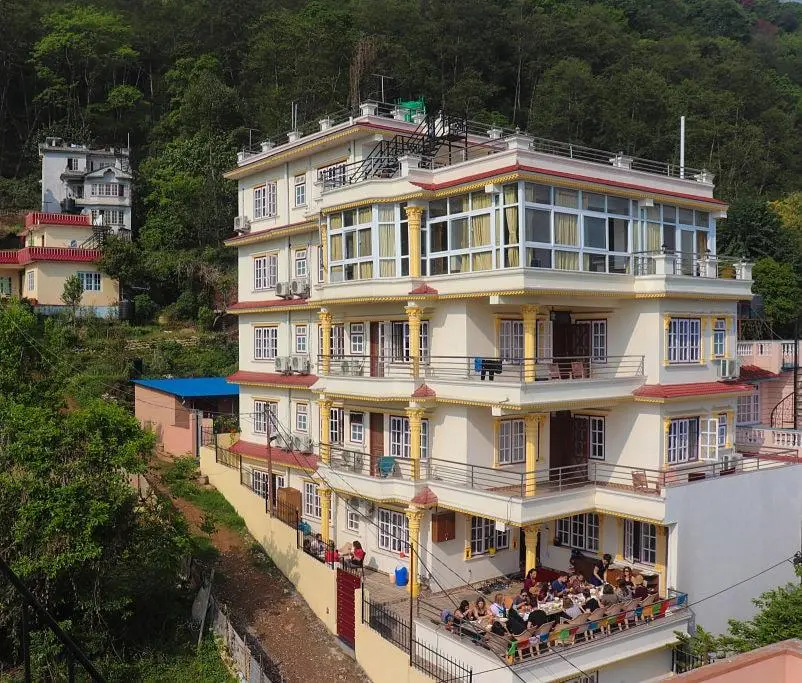
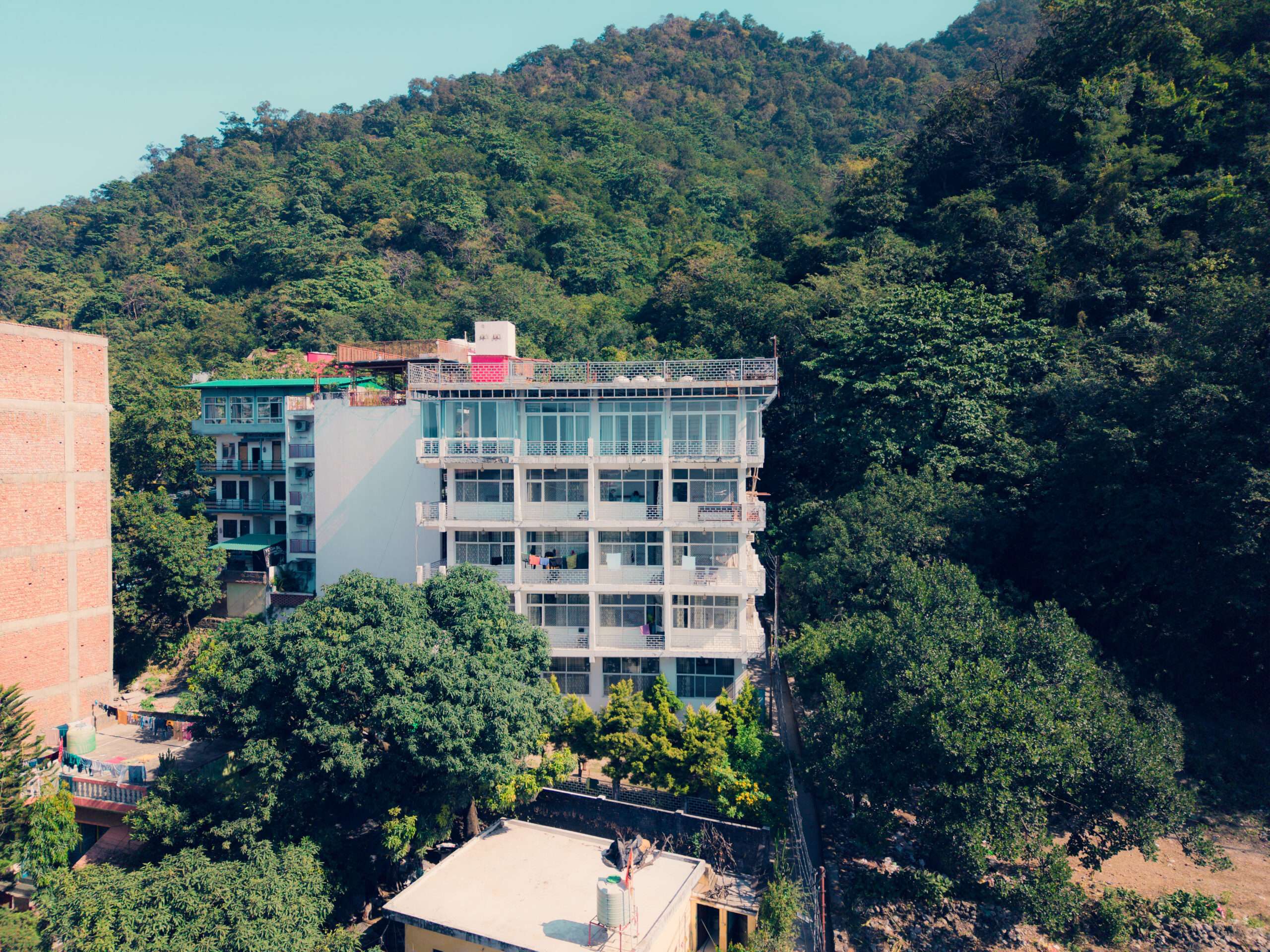
What Type of Accommodation Is Provided? Tratak Yoga offers clean, comfortable, student-friendly accommodation designed to support a yogic lifestyle — with rooms arranged to provide a peaceful environment for rest, self-study, and relaxation between classes. Options may vary by availability and package.
Are Private Rooms Available? Yes. Private rooms are available for students who prefer additional privacy and a quiet environment for study and rest — a popular choice among solo travelers and long-term students. Twin-sharing and shared rooms are also available for those who enjoy connecting with fellow participants.
Is WiFi Available? Yes. Complimentary WiFi is generally available throughout the campus, including guest rooms and common areas — suitable for messaging, video calls, and light work, though speeds may occasionally vary.
Are Vegetarian Meals Included? Yes. Daily vegetarian meals (breakfast, lunch, dinner) prepared according to yogic dietary principles are included in most course and retreat packages, often with herbal teas, fresh fruit, and light snacks.
Can Vegan Diets Be Accommodated? Yes. Vegan meal options are usually available — inform the school of your dietary preferences before arrival so suitable arrangements can be made (special diets may incur an additional fee). Gluten-free and other common dietary needs can often be accommodated as well.
Is Laundry Service Available? Yes. Laundry facilities or services are often available nearby for an additional charge — particularly useful for students attending longer programs. Most accommodations also provide a space to dry clothes naturally.
9. Career After Graduation FAQ
Can I Teach Yoga Internationally? Yes. Graduates of a 200-Hour (or higher) YTT often teach internationally in yoga studios, wellness retreats, fitness centers, corporate wellness programs, cruise ships, resorts, schools, and universities — many yoga teachers build successful international careers after certification.
Can I Teach Yoga Online? Yes. Many graduates teach online through Zoom classes, private virtual sessions, membership websites, wellness platforms, and social media — an increasingly popular and flexible way to share yoga with students worldwide.
How Do I Register With Yoga Alliance? After completing an eligible YTT and receiving your certificate: (1) create an account on the Yoga Alliance website, (2) submit your training details and required documentation, (3) pay the applicable registration fee, and (4) once approved, use the appropriate designation (e.g., RYT-200 or RYT-500). Always check the official Yoga Alliance site for current requirements.
Can I Open My Own Yoga Studio? Yes. Many graduates go on to open yoga studios, wellness centers, meditation centers, retreat businesses, or online yoga academies — a strong yoga education combined with business planning and teaching experience helps prepare students for entrepreneurship.
Which Countries Have High Demand for Yoga Teachers? Demand is strong in the USA, UK, Australia, Canada, UAE, and across Europe, plus growing wellness tourism markets in Southeast Asia and the Middle East — alongside a rapidly expanding global online teaching market accessible from anywhere.
What Salary Can a Yoga Teacher Earn? Earnings vary widely based on location, experience, and work type — from per-class rates at studios to higher fees for private sessions, corporate contracts, or retreat leadership roles. Many teachers combine multiple income streams (studio classes, online teaching, workshops, retreats) to build a sustainable career.
Can I Teach Private Yoga Classes? Yes. Many graduates offer private one-on-one or small-group sessions — either independently, through wellness platforms, or alongside studio/online teaching — as a flexible and often higher-earning component of their teaching career.
What Is the Next Step After a 200-Hour Certification? Many graduates pursue a 300-Hour or 500-Hour Yoga Teacher Training, or specialize further through Yin Yoga, Aerial Yoga, Prenatal Yoga, Sound Healing, Meditation Teacher Training, or Ayurveda programs — expanding both expertise and career opportunities. Others begin teaching immediately, full-time or part-time, depending on their goals.
This FAQ is intended as a general guide for prospective students of Tratak Yoga Academy’s Yoga Teacher Training programs in Rishikesh, India. Course details, fees, schedules, visa requirements, and accreditation status may be updated periodically — please visit www.tratakyoga.com or contact our team directly (WhatsApp: +91 88266 06304) for the most current information.