Yoga Teacher Training & Yoga Retreat
Whatsapp: +91 88266 06304

200 hour Online Yoga Teacher Training

200 hour online yoga teacher training

200-Hour Online Yoga Teacher Training — Live, Yoga Alliance Certified

Train with a Real Guru. Learn from Anywhere in the World.

Beginner-friendly · Live classes · Yoga Alliance USA certified · Starts 6 July 2026


You don’t need to travel to Rishikesh to receive authentic yoga teacher training. Tratak Yoga Academy — a Yoga Alliance USA accredited school with campuses in Rishikesh, Pokhara, and Bali — now brings its full 200-hour teacher training curriculum to you, live, online, wherever you are in the world.

This is not a pre-recorded video course. Every session is taught live by experienced faculty, in real time, with direct interaction, Q&A, and the kind of human attention that makes learning stick. Recordings are shared after each class so you never miss a session, but the live experience is the heartbeat of this training.

Course At a Glance

DETAILS
INFORMATION
Program
200-Hour Yoga Teacher Training Course (YTTC)
Format
Live Online (Zoom/Google Meet)
Affiliation
Yoga Alliance USA (RYS Accredited)
Level
Beginner to Intermediate
Duration
12 Weeks (6 July – 29 September 2026)
Live Classes
Monday to Friday
Contact Hours
120 Hours (Live)
Non-Contact Hours
80 Hours (Assignments, Self-Study, Self-Practice)
Total Hours
200 Hours
Course Fee
₹35,000 INR / $450 USD
Bonus
1 Complimentary YACEP Certification (Yoga Alliance)
Batch Size
Limited seats — small group for personal attention

What Makes This Training Different

A lot of online yoga courses hand you a folder of pre-recorded videos and a WhatsApp group and call it teacher training. That is not what this is.

This training was designed by the faculty of Tratak Yoga Academy — a school with years of experience training teachers in person in Rishikesh — with one core intention: to deliver the depth of an in-person immersive YTT through a live, structured, human-led online format.

Every module is taught live. Every student receives individual assignments. Every subject has a dedicated faculty member. And every graduate receives not only the Yoga Alliance 200-hour certificate, but also a complimentary YACEP certification — a continuing education credential that has real professional value in the global yoga teaching market.

If you have been waiting for the “right time” to become a certified yoga teacher, this course is designed to remove the barrier of travel and cost while preserving everything that actually makes a teacher training worthwhile.

Full Curriculum — Module by Module

MODULE 1 — Hatha Yoga

6 July to 31 July 2026 📅 Monday to Friday | 6:30 PM – 7:30 PM IST | 20 Live Classes

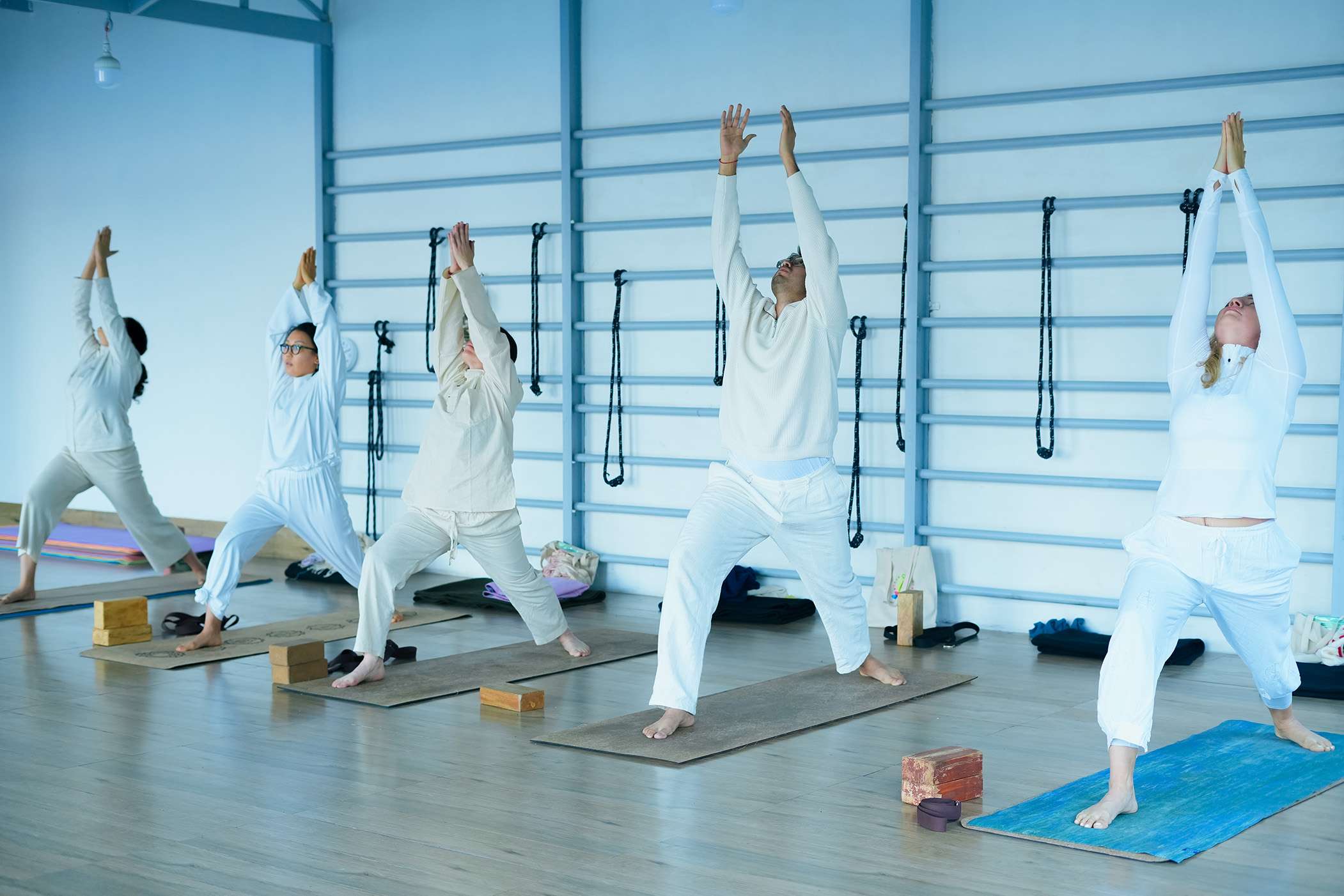
Hatha Yoga is the foundation of all physical yoga practice, and this module gives it the attention it deserves. You’ll learn classical Hatha asanas with correct alignment, transitions, breath integration, and the philosophical principles that make Hatha more than a fitness practice. As a future teacher, you’ll also begin understanding how to cue, demonstrate, and sequence — skills you’ll develop further in later modules.

Topics covered:

  • Classical Hatha asana practice and alignment principles
  • Warm-up and cool-down sequencing
  • Breath-body connection in asana
  • Modifications and variations for different body types
  • Introduction to safe teaching cues

MODULE 2 — Meditation

6 July to 31 July 2026 📅 Monday to Friday | 8:30 PM – 9:30 PM IST | 20 Live Classes

Running simultaneously with Hatha Yoga through July, this module establishes a daily meditation practice that will become the inner pillar of your teaching. Students commonly report this as the module that changes them most — not because the techniques are complex, but because practising daily meditation over four consecutive weeks creates a qualitative shift in self-awareness that technique alone cannot produce.

Topics covered:

  • Foundations of meditation: what it is, what it isn’t, and why it matters for teachers
  • Breath awareness, body scan, and mantra-based meditation techniques
  • Yoga Nidra (yogic sleep) — theory and guided practice
  • Dhyana in the context of Patanjali’s eight-limbed path
  • How to guide and hold a meditation session for students

MODULE 3 — Ashtanga Yoga

3 August to 28 August 2026 📅 Monday to Friday | 6:30 PM – 7:30 PM IST | 20 Live Classes

August opens with Ashtanga Vinyasa — the dynamic, breath-synchronised style that builds internal heat (tapas), stamina, and the deep body-mind integration that distinguishes an experienced practitioner. You’ll learn the Primary Series with understanding of the Vinyasa method, and study how Ashtanga’s discipline and structure can inform your teaching even when you’re not teaching Ashtanga specifically.

Topics covered:

  • Ashtanga Primary Series — Sun Salutations A & B, standing and seated sequences
  • Vinyasa: linking breath with movement
  • Bandhas (energy locks) in Ashtanga practice
  • The Mysore tradition and its pedagogical relevance
  • Applying Ashtanga discipline to sequencing in other styles

MODULE 4 — Pranayama

3 August to 28 August 2026 📅 Monday to Friday | 6:30 AM – 7:30 AM IST | 20 Live Classes

Note the time: this module runs in the early morning — 6:30 AM IST — intentionally. Pranayama is most effective at dawn, when the mind is still relatively empty and the nervous system is receptive. Rising early for four weeks to practise breathwork together, as a community, is itself part of the training.

Topics covered:

  • The science and yogic philosophy of prana and pranayama
  • Nadi Shodhana, Kapalabhati, Bhastrika, Bhramari, Ujjayi, Sitali, and Sitkari
  • Kumbhaka (breath retention) — theory, safety, and practice
  • The relationship between pranayama and the autonomic nervous system
  • Contraindications and teaching safely across diverse populations

MODULE 5 — Yoga Anatomy & Physiology

31 August to 18 September 2026 📅 Monday to Friday | 7:30 PM – 8:30 PM IST | 15 Live Classes

A teacher who doesn’t understand the body is a teacher who will eventually cause injury — their own or a student’s. This module is where yoga meets science. You’ll study the musculoskeletal, nervous, and respiratory systems through the lens of yoga practice, building a functional anatomical vocabulary that will inform every class you ever teach.

Topics covered:

  • Skeletal and muscular anatomy relevant to yoga asana
  • Joint mechanics, range of motion, and injury prevention
  • The nervous system and yoga’s effects on stress physiology
  • Respiratory anatomy and its connection to pranayama
  • Common injuries in yoga and contraindications for key poses
  • Anatomically intelligent cueing and adjustment principles

MODULE 6 — Yoga Philosophy

31 August to 18 September 2026 📅 Monday to Friday | 8:45 PM – 9:45 PM IST | 15 Live Classes

Running alongside Anatomy through September, this module addresses the question every thoughtful yoga teacher eventually confronts: what is yoga, really? You’ll study the classical philosophical texts and frameworks that have guided yoga for thousands of years — not as museum pieces, but as living ideas with direct application to how you practice, how you teach, and how you live.

Topics covered:

  • Patanjali’s Yoga Sutras and the eight limbs (Ashtanga) framework
  • Samkhya philosophy — the foundational worldview underlying yoga
  • The Bhagavad Gita and the concept of karma yoga
  • Introduction to Vedanta: the relationship between self, consciousness, and reality
  • The Pancha Koshas (five-body model) and its teaching applications
  • Yogic lifestyle: Ahimsa, Satya, Saucha, Santosha, Tapas in daily life

MODULE 7 — Adjustment & Alignment

21 September to 25 September 2026 📅 Monday to Friday | 6:30 PM – 7:30 PM IST | 5 Live Classes

This compact but critical module focuses on one of the most asked-about skills in teacher training: how to help students refine their practice safely and effectively. In an online context, you’ll learn verbal cueing and visual assessment as primary tools, with clear principles for when hands-on adjustment is appropriate (in-person contexts) and when precision verbal guidance is sufficient.

Topics covered:

  • Principles of safe and effective adjustment
  • Verbal cueing for alignment: language, imagery, and sequencing
  • Visual assessment of student posture online and in person
  • Common misalignments in frequently taught poses and how to correct them
  • Ethical boundaries of physical adjustment

MODULE 8 — Ayurveda for Yoga Teachers

21–22 September 2026 (Monday & Tuesday) 📅 8:30 PM – 9:30 PM IST | 2 Live Classes

Ayurveda is yoga’s sister science — and a working understanding of it makes you a significantly more nuanced and effective teacher. This focused two-session module introduces the foundational Ayurvedic framework as it applies to yoga practice: understanding constitutional types (Doshas), seasonal rhythms, and how to personalise yoga recommendations for different students.

Topics covered:

  • The three Doshas (Vata, Pitta, Kapha) and their characteristics
  • Assessing Prakriti (constitution) and Vikriti (current imbalance)
  • Dosha-specific yoga recommendations
  • Dinacharya (daily routine) in the yogic-Ayurvedic tradition
  • Ahara (diet) basics for yoga practitioners

MODULE 9 — Teaching Methodology

23 September 2026 (Wednesday) 📅 8:00 PM – 9:00 PM IST | 1 Live Class

One focused, practical session on the craft of teaching yoga — how to plan, structure, open, and close a yoga class; how to manage a mixed-ability room; how to handle unexpected situations; and how to continue developing as a teacher after certification. Small in clock hours, large in practical weight.

Topics covered:

  • Class structure: opening, sequencing, peak pose, closing
  • Teaching different levels and adapting on the fly
  • The teacher’s role, boundaries, and responsibilities
  • Building a sustainable teaching practice and continuing education plan

MODULE 10 — Practicum & Examination

28–29 September 2026 (Monday & Tuesday) 📅 6:30 PM – 7:30 PM IST | 2 Live Sessions

The final module is your teaching debut. Each student teaches a live class segment to the group, receives structured faculty feedback, and completes the written/practical examination required for Yoga Alliance certification. This is a supportive, not intimidating, environment — the faculty’s role is to affirm your readiness and identify your strengths, not to test under pressure.

What the practicum includes:

  • Live teaching demonstration by each student (assessed)
  • Peer and faculty feedback
  • Written knowledge assessment
  • Graduation and certification confirmation

Complete Schedule Overview

DATES
MODULE
TIME (IST)
SESSIONS
6 Jul – 31 Jul
Hatha Yoga
6:30–7:30 PM
20 classes
6 Jul – 31 Jul
Meditation
8:30–9:30 PM
20 classes
3 Aug – 28 Aug
Ashtanga Yoga
6:30–7:30 PM
20 classes
3 Aug – 28 Aug
Pranayama
6:30–7:30 AM
20 classes
31 Aug – 18 Sep
Yoga Anatomy
7:30–8:30 PM
15 classes
31 Aug – 18 Sep
Yoga Philosophy
8:45–9:45 PM
15 classes
21 Sep – 25 Sep
Adjustment & Alignment
6:30–7:30 PM
5 classes
21–22 Sep
Ayurveda
8:30–9:30 PM
2 classes
23 Sep
Teaching Methodology
8:00–9:00 PM
1 class
28–29 Sep
Practicum & Exam
6:30–7:30 PM
2 sessions
Total
 
 
120 contact hours

+ 80 Non-Contact Hours: assignments, self-study, and personal practice = 200 Hours Total

Assignments & Certification Requirements

To qualify for your Yoga Alliance 200-hour certificate, students must complete:

  • Attendance: Mandatory attendance at all live classes or via recordings shared daily in the course group. Missing sessions does not disqualify you — recordings are provided — but active engagement is assessed.
  • Subject Assignments: Written or practical assignments are given for every module. Submission of all assignments is compulsory for certification.
  • Teaching Practicum: Successful completion of the live teaching demonstration in the final module.
  • Self-Practice Hours: 80 non-contact hours must be completed through personal practice and self-study, logged and submitted.

On successful completion of all requirements, you receive:

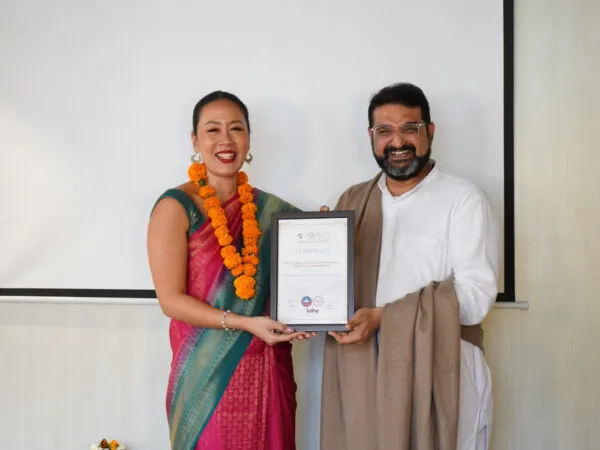
200-Hour Yoga Alliance USA Certificate (enables RYT 200 registration) ✅ 1 Complimentary YACEP Certification — a Yoga Alliance continuing education credential, included at no extra cost, which adds immediate professional value to your teaching portfolio

Course Fee & What’s Included

Course Fee
₹35,000 INR / $450 USD
Live classes (all 10 modules)
✅ Included
Daily class recordings
✅ Included
All subject assignments
✅ Included
Faculty feedback on assignments
✅ Included
200-Hour Yoga Alliance Certificate
✅ Included
Bonus: YACEP Certification
✅ Included (complimentary)
Course WhatsApp/community group
✅ Included

What You’ll Be Able to Do After This Training

By the time you complete your Tratak Yoga Academy 200-hour online YTTC, you will be equipped to:

  • Teach beginner and intermediate yoga classes confidently, in person or online
  • Design safe, balanced class sequences across Hatha and Vinyasa styles
  • Guide students through pranayama and meditation with real understanding
  • Apply basic anatomical knowledge to make your teaching safer and more effective
  • Speak and teach from a grounded foundation in yoga philosophy
  • Register as a Registered Yoga Teacher (RYT 200) with Yoga Alliance USA — the global industry credential
  • Use your YACEP certification to offer workshops and continuing education to other teachers

Key Takeaways

  • This is a fully live, 200-hour online YTT run by Tratak Yoga Academy — an internationally accredited Yoga Alliance RYS school with campuses in Rishikesh, Pokhara, and Bali. It is not pre-recorded.
  • The course runs 6 July to 29 September 2026, Monday to Friday, across 10 modules covering Hatha, Ashtanga, Pranayama, Meditation, Anatomy, Philosophy, Adjustment, Ayurveda, Teaching Methodology, and Practicum.
  • It is designed for beginners — no prior teaching experience is required, though some personal yoga practice is helpful.
  • The total of 120 contact hours (live) + 80 non-contact hours (assignments, self-study) equals the full 200-hour Yoga Alliance requirement.
  • Every graduate receives a Yoga Alliance 200-hour certificate enabling RYT 200 registration, plus a complimentary YACEP certification.
  • The fee is ₹35,000 INR / $450 USD — among the most accessible price points for a genuinely live, accredited, faculty-led online YTT globally.

Frequently Asked Questions

1. Is this course suitable for complete beginners?

Yes. This course is specifically designed for beginners to yoga teacher training. You do not need prior teaching experience. A basic personal yoga practice is helpful — ideally some familiarity with yoga asana — but the curriculum begins from foundational principles.

2. Are the classes truly live, or are they pre-recorded?

All sessions are taught live by Tratak Yoga Academy faculty in real time. Daily recordings are shared in the course group after each session so you can review or catch up if you miss a class, but the live interaction — Q&A, corrections, direct guidance — is the primary learning experience.

3. How does the 200-hour requirement add up?

The training delivers 120 hours of live contact classes across all modules (July–September 2026). The remaining 80 hours are non-contact hours, fulfilled through subject assignments, personal self-study, and self-practice logged across the program duration. Together these reach the 200-hour standard required for Yoga Alliance RYT 200 registration.

4. What is YACEP and why is it valuable?

YACEP stands for Yoga Alliance Continuing Education Provider/Unit. Registered yoga teachers with Yoga Alliance USA are required to complete continuing education hours to maintain their registration. When Tratak Yoga Academy graduates include a YACEP certificate in their teaching profile, they can offer workshops and short courses that other Yoga Alliance teachers count toward their own CEU requirements. This significantly expands your professional reach and marketability as a new teacher.

5. Can I get a Yoga Alliance RYT 200 credential from this online course?

Yes. Tratak Yoga Academy is a Registered Yoga School (RYS) with Yoga Alliance USA. Completing this 200-hour online program and meeting all certification requirements qualifies you to register directly as a Registered Yoga Teacher (RYT 200) with Yoga Alliance.

6. What time zone are the classes in?

All class times listed are in India Standard Time (IST / UTC+5:30). Students joining from other time zones should convert accordingly. The morning Pranayama session (6:30–7:30 AM IST) is the main time-zone consideration for international students — for much of Europe this falls around 2:00–3:00 AM, but recordings are provided for every session.

7. What equipment or space do I need?

You’ll need a yoga mat, comfortable clothing, a stable internet connection, and a device with camera and microphone for live class participation. A quiet, dedicated space for your practice at home is strongly recommended — especially for the early Pranayama sessions and evening meditation classes.

8. What language are the classes taught in?

All classes are conducted in English.

9. How are assignments submitted and assessed?

Assignment details, submission formats, and deadlines are shared through the course group at the start of each module. Faculty provide written feedback on submissions. Completing all assignments is a mandatory requirement for certification — not optional coursework.

How do I enroll?

Contact Tratak Yoga Academy directly at jai.tratak@gmail.com or on Instagram at @tratakyoga to confirm seat availability and begin enrollment. Seats are limited per batch to preserve the quality of live instruction.

About Tratak Yoga Academy

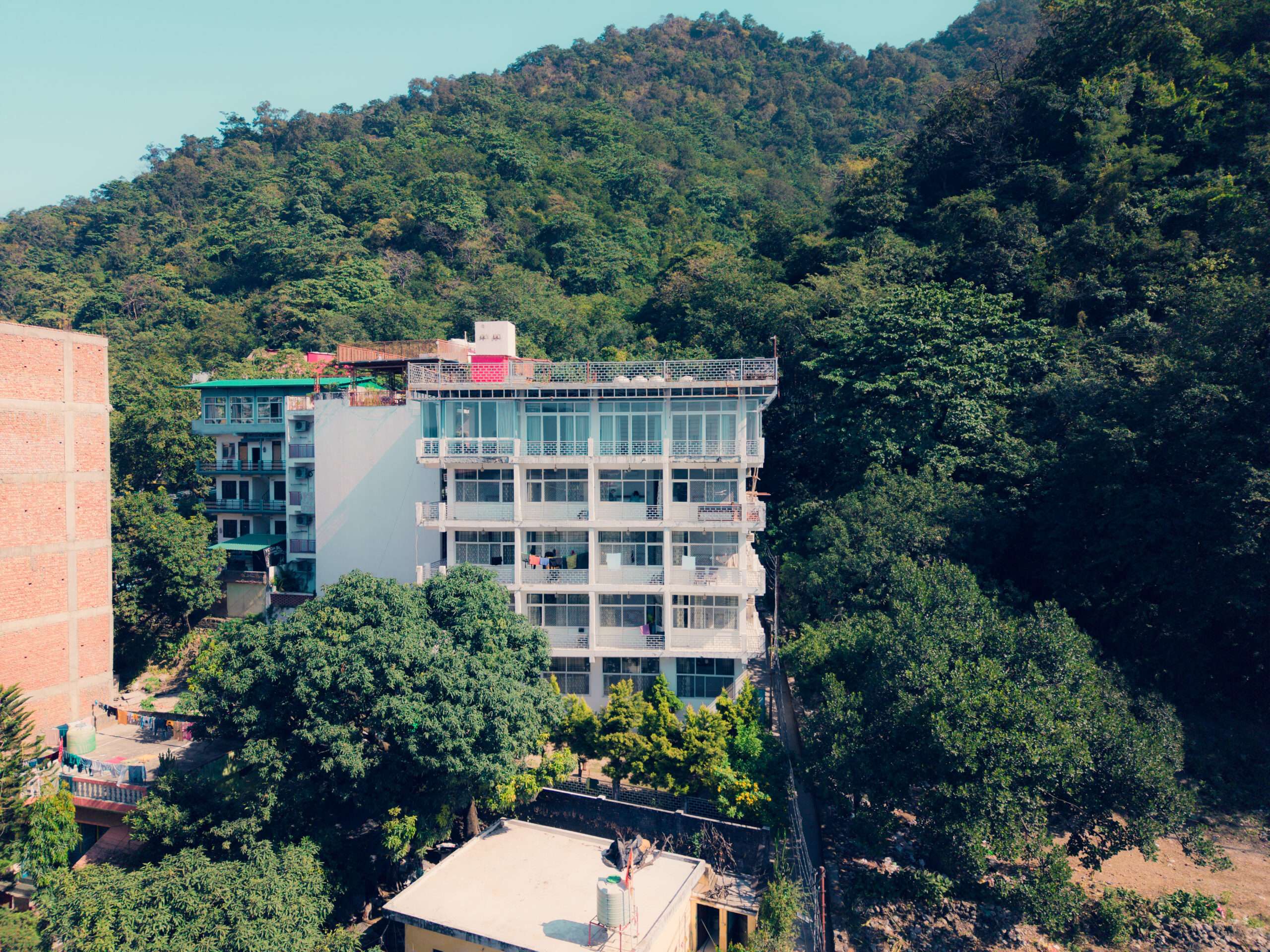
Tratak Yoga Academy is a Yoga Alliance USA-accredited yoga school with campuses in Rishikesh, Pokhara, and Bali, and a growing online school reaching students worldwide. Rooted in classical Himalayan yoga, our trainings combine traditional depth with internationally recognised certification standards.

🌐 tratakyoga.com 📧 jai.tratak@gmail.com 📸 @tratakyoga