
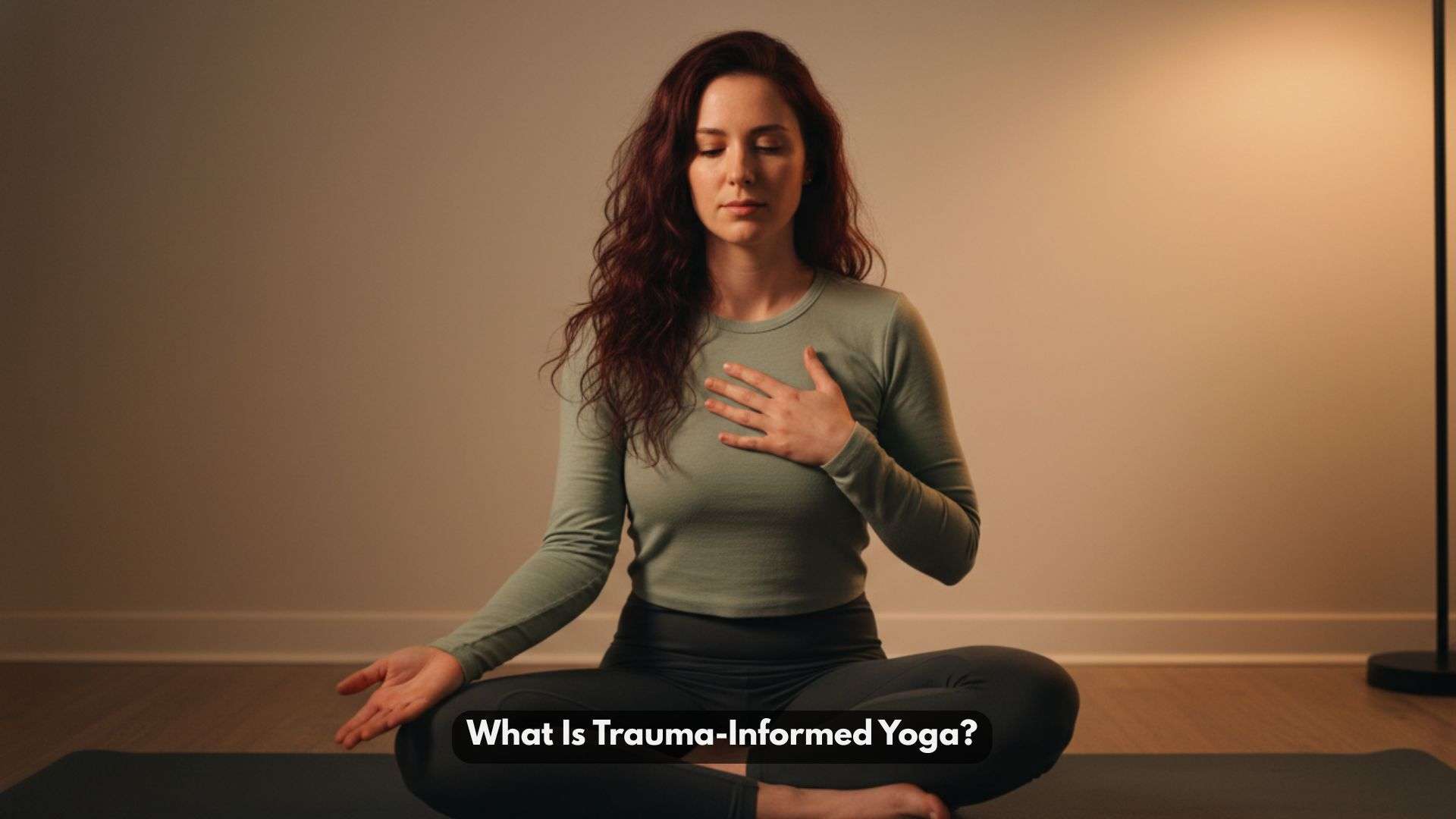
Walking into a yoga session, you expect peace. Dim lighting fills the room. The instructor’s voice is low, gentle. People around appear at ease. Yet partway through, discomfort creeps in. Pressure builds across your ribs. An ordinary cue – “shut your eyes” – becomes overwhelming.
Here’s when Trauma-Informed Yoga begins making a difference.
Most learners fail to see one truth – standard yoga sessions might unsettle those carrying heavy emotions, past fears, or silent struggles. What unfolds here explains a gentler method called Trauma-Sensitive Practice, its quiet rhythm, where it fits now within healing circles and movement work.
What Trauma-Informed Yoga Really Means
Let me explain this simply.
Here, quiet moments might unsettle some people. A teacher watches how each person carries themselves, notices when someone turns away from a pose. Safety comes before stretching into shapes on a mat. Some find grounding in breath others resist. Not every hand reaches for the sky without hesitation. The space allows pauses, backs off pressure to perform like expected. Touch stays optional always.
A typical session could suggest shutting your eyes to unwind slowly
A trauma-informed class might say, “If it feels okay, you can close your eyes or soften your gaze.”
A shift, slight as it seems, alters everything. Tiny tweaks reshape outcomes.
Once there was a girl called Riya. Early each day, she showed up for yoga at seven – her hope being quieter thoughts. A quiet tap landed on her shoulder, meant to fix how she stood. Not forceful, yet it stopped her breath. That moment stayed longer than the class. Coming back felt impossible afterward.
This is what Trauma-Informed Yoga aims to bridge.
Choice comes easier when there is space to breathe. Pressure fades when options exist without demands. Feeling stuck melts away where freedom to decide remains open.
Most folks notice something off during lessons, yet stay quiet. Chances are, trying it another way might have helped them relax. A different style tends to click when the usual one does not.
Why Trauma-Informed Yoga Exists
Here’s something people don’t talk about enough.
Not everyone comes to yoga feeling peaceful. Some people come because they feel restless, disconnected, or even on edge all the time.
And trauma doesn’t always mean something extreme. It can be:
- Long-term stress
- Anxiety from school or work
- Emotional neglect
- Sudden life changes
The body remembers these things. Even when your mind tries to move on.
There was a guy named Arjun in one of the beginner batches. He looked totally fine on the outside. Joked around before class. But every time we held still in silence for more than a minute, he’d start fidgeting, tapping his fingers, adjusting his mat.
Later he said, “I don’t like being still. My head gets loud.”
That’s not rare.
Trauma-Informed Yoga exists because stillness, silence, or even certain breathing exercises can bring up things people aren’t ready to deal with yet.
So instead of pushing through discomfort, this style says: go at your own pace.
If you’re exploring practices like meditation, you might notice similar ideas in guides like learning meditation slowly without pressure. It’s about pacing, not forcing.
How Trauma-Informed Yoga Is Different From Regular Yoga
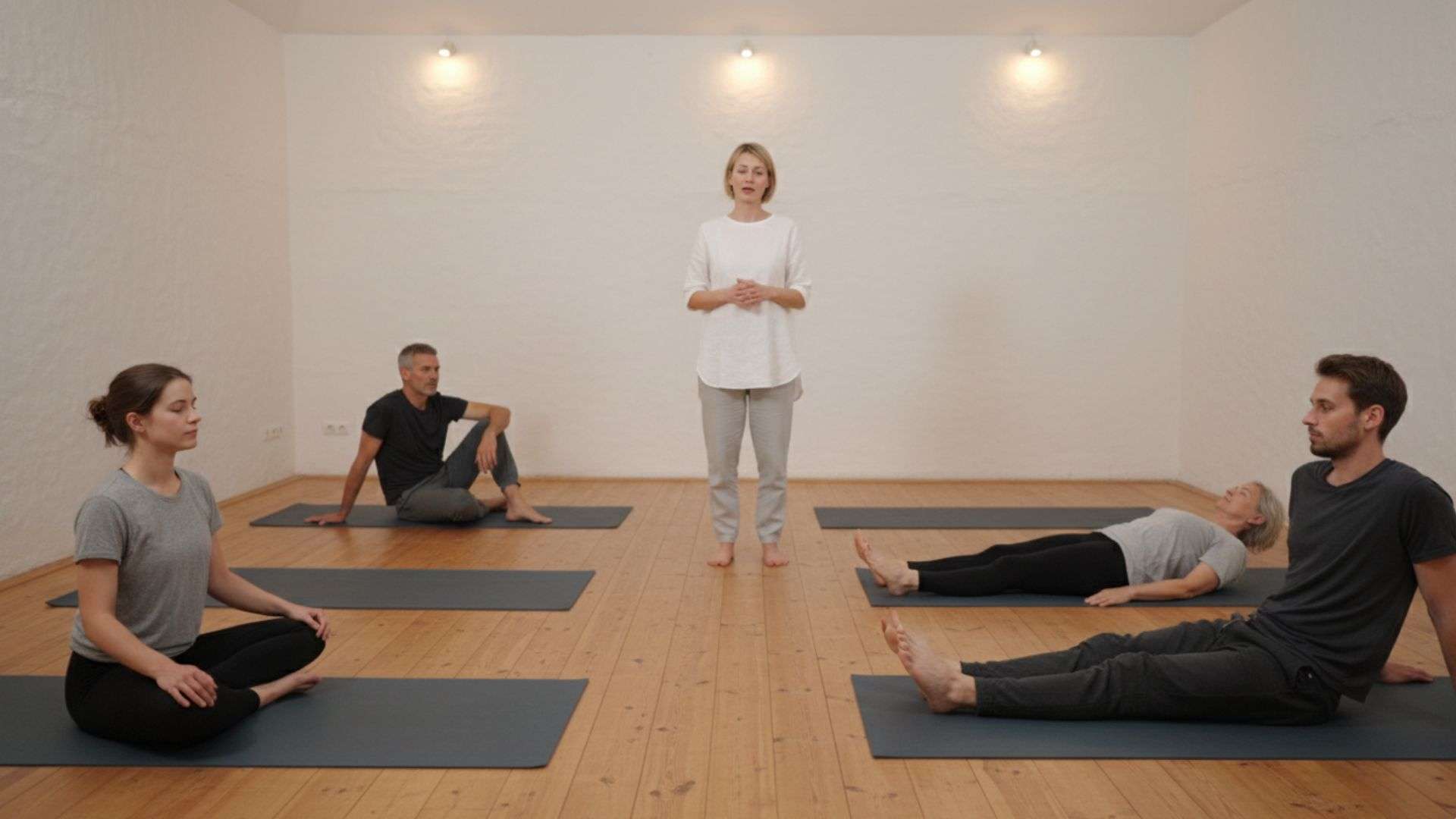
At first glance, it doesn’t look very different.
Same mats. Same poses. Same room.
But the way things are taught changes everything.
In a typical class:
- Instructions are direct
- Adjustments happen without asking
- There’s a “follow me” style
In trauma-informed classes:
- Language is softer and optional
- Touch is avoided unless clearly allowed
- You’re encouraged to choose what feels right
A thing happened. Just like that.
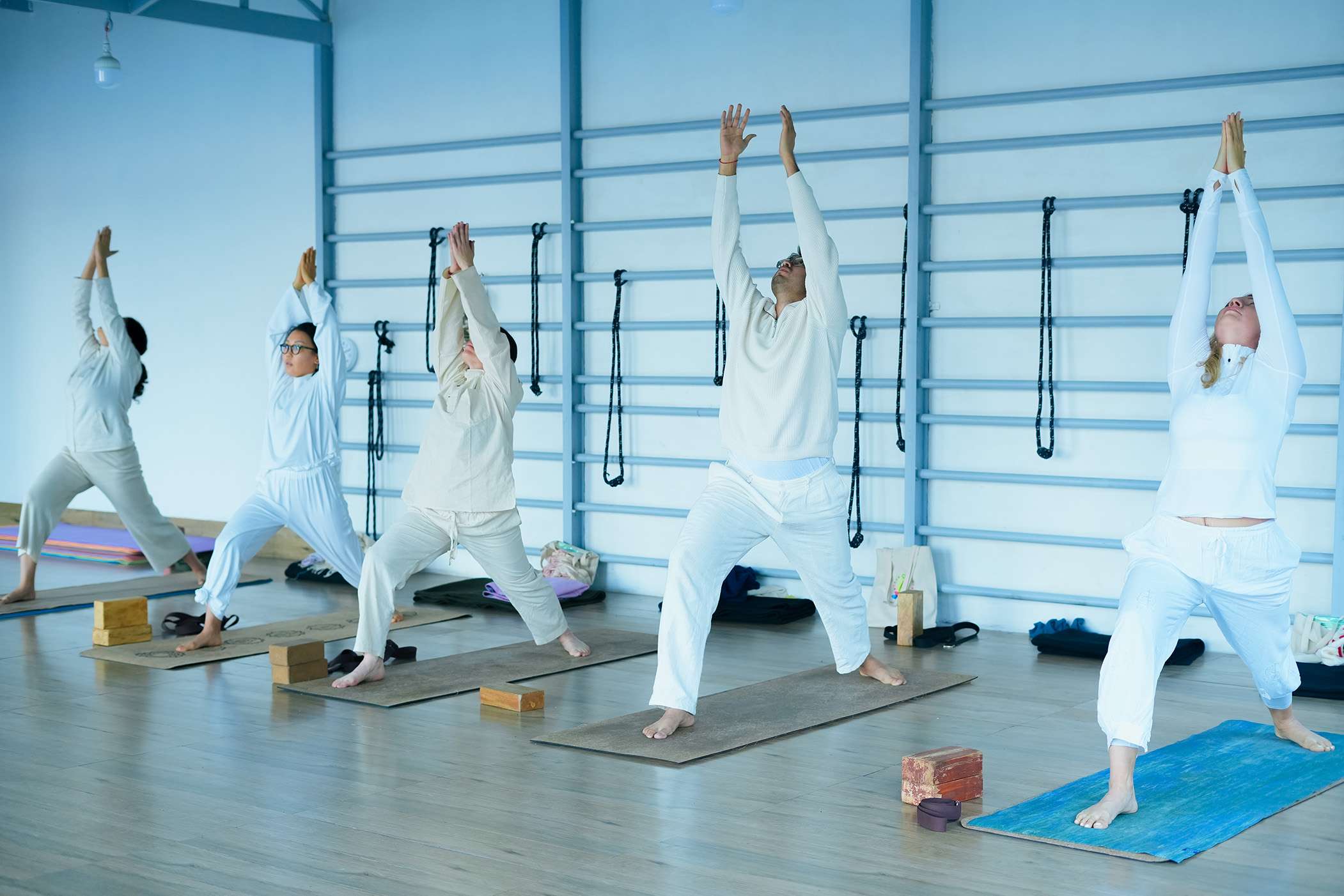
A voice broke the quiet. A teacher spoke up during the session: lift your arms high above you. Most people moved right away, doing what they heard. Not Mehul. His arms stayed down, fixed at his sides, still as stone.
Instead of correcting him, the teacher said, “You can stay where you are if that feels better.”
He stayed because of those words. The way they hung there made it hard to leave.
Maybe she held back because he’d have walked out. Then again, pushing might’ve changed everything. Still, staying quiet kept him around.
Is everything clear up to now?
Change isn’t meant for yoga itself. The way it reaches people – that’s what shifts.
Trauma-Informed Yoga in Therapy Settings
This is where things get interesting.
You’ll often hear terms like trauma informed yoga a toolbox for therapists or trauma sensitive yoga in therapy. That’s because therapists now use yoga as part of mental health support.
Not in a “do these poses and you’ll be fine” way.
More like:
- Helping people reconnect with their body
- Teaching safe breathing patterns
- Building awareness without overwhelm
A psychology student named Neha once shared her experience during her internship. She worked with teens dealing with anxiety. One session involved simple grounding exercises. No complex yoga. Just noticing breath and small movements.
One kid said, “I didn’t know I could stop my thoughts even for a few seconds.”
That’s huge.
Finding ease in the body matters more than stretching far or pushing hard. What helps is offering ways to rediscover safety within oneself through movement.
Actually, diving headfirst into yoga isn’t required to gain something from it.
Can You Practice Trauma Sensitive Yoga Online?
Short answer: yes, but it depends.
You might see options labeled trauma sensitive yoga online. Some are great. Some feel like regular classes with a different name.
The difference comes down to how the session is guided.
A good online trauma-informed session will:
- Give choices instead of commands
- Avoid intense or sudden transitions
- Let you pause anytime without feeling judged
A friend of mine, Kavya, tried one during her exam stress phase. She said the teacher kept repeating, “You can skip anything that doesn’t feel right today.”
She skipped half the session.
And still said it helped.
That’s the point.
If you’re starting out, don’t worry about doing everything perfectly. Even short, guided practices can help, especially if you’ve already explored beginner-friendly yoga routines that focus on comfort instead of performance.
Common Misunderstandings About Trauma-Informed Yoga
Time to set some records straight.
Not everyone gets why some dismiss this practice as meant just for those with deep emotional scars. Truth is, it fits anyone drawn to slow, mindful movement. A softer way isn’t reserved for extreme cases – it opens doors gently.
Some folks find it drags on way too long. A few just lose interest fast.
Truth is, speed isn’t always the point. Occasionally things drag. Yet dragging doesn’t equal broken. It simply shifts where your focus lands.
A quiet moment comes back to me – some lesson, somewhere. There were no dramatic stretches. Not even heavy breathing. Instead, tiny shifts. Moments of stillness between them.
Later that day, a learner spoke up. It had seemed oddly tough, they admitted
Not physically. Mentally.
Staying focused right now feels hard. That happens when thoughts drift away easily.
Picture this: someone thinks educators worry too much. Yet discomfort in crowds? That feeling explains the changes better than words ever could.
What Happens in a Typical Trauma-Informed Yoga Class
If you walk into one, here’s what you might notice.
The teacher speaks in a calm but normal tone. Not overly spiritual. Not robotic either.
You’ll hear phrases like:
- “If you’d like, you can try this movement”
- “Notice how your body feels here”
- “You can come out of the pose anytime”
There’s no pressure to keep up.
A student named Sameer once asked, “Am I doing this right?”
The teacher replied, “There’s no single right way here.”
That answer stayed with him.
Classes often include:
- Gentle movement
- Simple breathing
- Short moments of awareness
No one is watching you. No one is correcting every detail.
And honestly, that’s what makes it work for a lot of people.
Who Should Try Trauma-Informed Yoga

You don’t need a diagnosis. You don’t need a specific reason.
But you might find it helpful if:
- You feel uneasy in regular yoga classes
- Silence makes you uncomfortable
- You’ve experienced anxiety or stress that lingers
- You prefer having control over what you do in a session
A girl called Aditi, studying at university, shared how she stayed away from yoga – too much rigid instruction turned her off. Yet when she stepped into a session shaped by trauma awareness, things shifted. Her words came quiet: “It doesn’t feel like learning. It feels like breathing room.”
Putting it that way works just fine.
If you’re exploring deeper practices later, like structured yoga training programs, this foundation can actually make your experience smoother because you already understand how your body responds.
How Teachers Learn Trauma-Informed Yoga
This part matters if you’re thinking long-term.
Teachers don’t just “decide” to teach this way. They go through specific training where they learn:
- How trauma affects the body
- How to use language carefully
- How to create a safe environment
Some training programs include these concepts alongside traditional yoga education, especially in deeper study paths like yoga teacher training courses.
But here’s the thing nobody really tells you.
Even trained teachers are still learning. Every class is different because every group is different.
There was a teacher who once admitted, “I said something that didn’t land well last week. I changed how I explain it now.”
That honesty matters more than pretending to get everything perfect.
Final Thoughts on Trauma-Informed Yoga
What ended up being discussed, then?
Here’s how it feels when yoga pays attention to your emotions, not just stretches. Choice matters more than following directions perfectly. Pressure fades when no pose is forced. Connection grows slowly, even if you pause often. Overwhelm loses its grip because pacing belongs to you. Safety shapes each breath, each shift.
While it won’t take the place of counseling, it does offer genuine help for your mood and mind. Still, its strength lies not in fixing deep issues, yet in steady daily comfort. Not quite treatment, though – more like a quiet ally through ordinary days. Even so, many find it eases their thoughts without effort. Rather than a cure, think of it as small relief that adds up.
Start tiny, should curiosity strike.
Start with a single try. Pay attention to your mood at the beginning, then again when it ends. Jumping into something long-term isn’t required just yet.
Just sitting quietly for ten minutes might show what fits your way of moving through decisions. A brief pause like that often reveals more than long effort ever could.
Should doubt creep in during class, honor it. Stepping away is always an option – sometimes even necessary. Pausing happens. So does walking out. This belongs within the process just as much as staying does.
FAQs
1. Is Trauma-Informed Yoga only for people with trauma?
No, not at all. Anyone can try it. It’s just a more gentle and choice-based way of practicing yoga, which many people find more comfortable.
2. What is the difference between trauma-informed and trauma-sensitive yoga?
They’re very similar. Trauma-sensitive yoga is often used more in therapy settings, while trauma-informed yoga can be used in regular classes too. The idea behind both is the same.
3. Can beginners do Trauma-Informed Yoga?
Yes, beginners often find it easier because there’s no pressure to perform or keep up. You go at your own pace.
4. Does Trauma-Informed Yoga involve physical touch?
Usually no. Teachers avoid touching students unless they clearly ask for permission first.
5. Are online trauma-sensitive yoga classes effective?
They can be, as long as the teacher uses the right approach. Look for sessions that give you options and don’t push you to do everything.





Comments are closed