
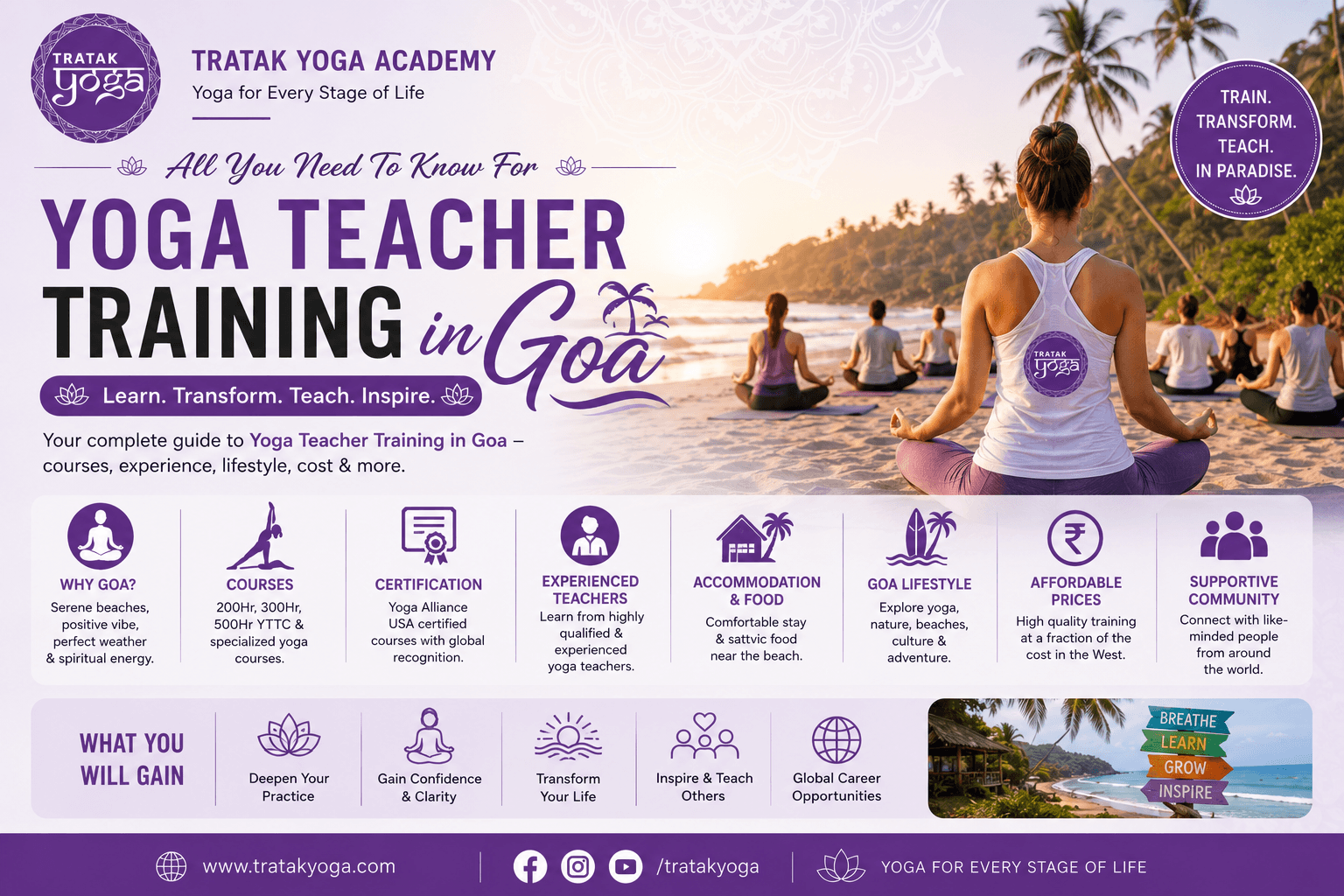
All You Need to Know for Yoga Teacher Training in Goa
A practical, honest guide to training on India’s most laid-back coastline — the seasons, the costs, the vibe, and how it stacks up against other yoga destinations in India.
Key Takeaways
- Yoga teacher training in Goa combines a serious 200-hour curriculum with a beach lifestyle, which makes it one of the most popular choices for first-time trainees.
- Goa’s YTT season runs mainly from October to March, when the weather is dry and cool enough for daily outdoor practice.
- Training in Goa tends to feel more relaxed and social than in Rishikesh, but it’s still real, disciplined training with the same core subjects: asana, philosophy, anatomy, and teaching methods.
- Costs are generally similar to other parts of India, though beachfront resort-style schools can push prices higher than simpler ashram-style programs elsewhere.
- Goa isn’t the only option. If you want a more traditional, spiritually rooted setting, places like Rishikesh offer a different, equally valuable experience worth comparing before you decide.
Introduction: Yoga Teacher Training, Beach Included
Picture this. Sunrise meditation on the sand. A morning asana practice with the sound of waves in the background. Afternoons free to explore spice markets, Portuguese-era churches, or simply nap under a palm tree.
That’s the pitch for yoga teacher training in Goa, and for a lot of people, it’s exactly right. Goa has become one of India’s most popular YTT destinations, especially for first-timers who want serious training without giving up sunshine and a relaxed pace of life.
But here’s the honest part. Goa isn’t the only place to train in India, and it isn’t automatically the best place for everyone. This guide walks through what training in Goa actually looks like, what it costs, when to go, and how it compares to other well-known options like Rishikesh, so you can make a genuinely informed choice.
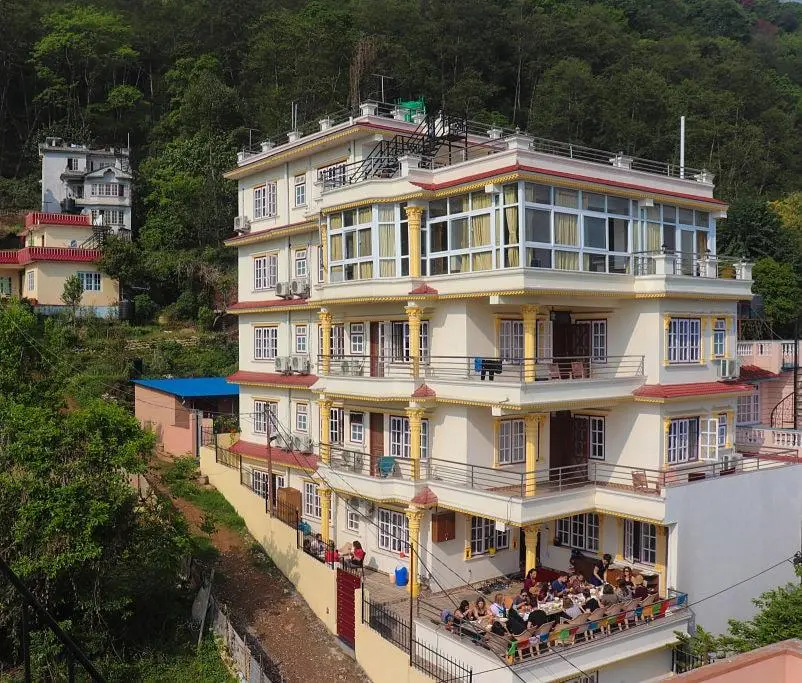
At Tratak Yoga Academy, our own campuses sit in Rishikesh, Pokhara, and Bali. We don’t currently run a Goa program ourselves, so this guide is written as an honest, independent resource. Think of it as a map, not a sales pitch.
Why Goa Became a Yoga Teacher Training Hotspot
The Beach Factor
Most yoga destinations in India are inland, in the mountains, or near rivers. Goa is different. It’s coastal, tropical, and famous for its beaches long before yoga tourism arrived.
That combination — serious training plus beach lifestyle — is rare. It’s a big part of why Goa keeps growing in popularity, especially among younger, first-time trainees from Europe, Australia, and North America.
A Global, International Crowd
Goa has hosted international travelers for decades, first through backpacker culture, later through wellness tourism. That history means Goa already has strong infrastructure for foreign visitors, including cafes, guesthouses, and a laid-back, welcoming social scene.
A Softer Entry Point Into Indian Yoga Culture
For some first-time visitors to India, Goa feels like a gentler starting point than more traditional, spiritually intense towns. It’s still authentically Indian, but it’s a little easier to navigate for someone new to the country.
What a Typical Yoga Teacher Training in Goa Looks Like
Course Length and Format
Most schools in Goa offer the standard 200-hour Yoga Alliance-recognized program, usually completed over 3 to 4 weeks. Some schools also offer 300-hour advanced trainings for graduates who already hold a 200-hour certificate.
Core Subjects Covered
- Asana practice — usually Hatha and Vinyasa style, sometimes with Ashtanga elements
- Pranayama — breathing techniques for energy and calm
- Meditation — often includes both seated and guided practices
- Anatomy and physiology — how the body moves and how to teach safely
- Yoga philosophy — Patanjali’s Yoga Sutras, the eight limbs, and yogic ethics
- Teaching methodology — how to plan, sequence, and lead a class confidently
A Sample Daily Schedule
- 6:00–7:30 AM: Pranayama and meditation
- 7:30–9:30 AM: Morning asana practice
- 9:30–10:30 AM: Breakfast
- 11:00 AM–1:00 PM: Philosophy or anatomy lecture
- 1:00–3:00 PM: Lunch and free time (often beach time)
- 3:30–5:00 PM: Teaching methodology or alignment workshop
- 5:30–7:00 PM: Second asana session
- 7:30 PM: Dinner
Compared to some intensive ashram programs elsewhere in India, Goa schedules often build in more free time. That’s part of the appeal, but it’s worth checking a specific school’s schedule before assuming this is the case everywhere.
Best Time of Year for Yoga Teacher Training in Goa
Peak Season: October to March
This is when most YTT programs run in Goa. The weather is dry, temperatures are comfortable, and humidity is much lower than during monsoon months. This is by far the most popular and most recommended window.
Why Summer and Monsoon Are Mostly Avoided
Goa’s monsoon season, roughly June through September, brings heavy rain and high humidity. Most yoga schools either close entirely or scale back operations during this period, since daily outdoor practice becomes difficult and travel gets harder.
Quick Seasonal Guide
Season | Months | Suitability for Training |
|---|---|---|
Peak season | October–March | Best — most schools run full programs |
Shoulder season | April–May | Hot, but some schools still operate |
Monsoon | June–September | Limited or closed |
How Much Does Yoga Teacher Training in Goa Cost?
What Affects the Price
Cost varies a lot depending on a few key factors:
- Accommodation type — shared dorm-style rooms cost less than private beachfront rooms
- School reputation and faculty experience
- Included extras — some programs include excursions, spa treatments, or extra workshops
- Season — peak months can carry a premium compared to shoulder season
What’s Usually Included
Most Goa-based programs include tuition, accommodation, and meals in one package price, similar to programs elsewhere in India. Always confirm exactly what’s included before booking, since “training only” pricing without food or stay is far less common but does exist.
A General Cost Comparison
Generally speaking, training in Goa tends to sit in a similar overall price range to other parts of India, though resort-style beachfront schools can price noticeably higher than simpler, more traditional ashram-style accommodations found in places like Rishikesh.
Goa vs. Rishikesh: Which Should You Choose?
This comparison comes up constantly, and there’s no single right answer. It depends entirely on what kind of experience you want.
Choose Goa If You Want…
- A beach lifestyle alongside serious training
- A more relaxed, social pace with built-in free time
- An easier first-time entry point into traveling in India
- Access to a wider international party and cafe scene during off-hours
Choose Rishikesh If You Want…
- A deeply traditional, spiritually immersive setting
- Proximity to the Ganges River and the Himalayan foothills
- A more disciplined, ashram-style daily structure
- A stronger concentration of long-established, lineage-based schools
Some Students Do Both
It’s increasingly common for practitioners to complete a 200-hour training in one location, then return later for a 300-hour advanced training in a different setting altogether. This gives them a genuinely broader view of India’s yoga landscape, rather than a single fixed experience.
What to Look for in a Goa Yoga School
Not every program in Goa delivers the same quality. Use this checklist before you commit.
- Yoga Alliance registration. Confirm the school is properly accredited, not just self-described as “certified.”
- Faculty experience. Ask how long teachers have been practicing and teaching, not just when they got certified themselves.
- Class size. Smaller cohorts generally mean more individual feedback and correction.
- Real reviews. Look for reviews on independent platforms, not just testimonials on the school’s own website.
- Clear inclusions. Get a written breakdown of what’s included — meals, accommodation, excursions — before paying anything.
- Balance of structure and freedom. If you want serious training, make sure “beach lifestyle” hasn’t replaced a genuinely rigorous curriculum.
Common Concerns About Training in Goa
“Is it too touristy to be a serious training environment?”
Goa does have a strong tourist and party scene in certain areas, especially North Goa. Choosing a reputable school with a structured daily schedule, and ideally a location a little removed from the busiest party zones, helps keep the training experience focused and serious.
“Will I actually learn as much as I would somewhere more traditional?”
A well-run 200-hour program covers the same Yoga Alliance-required curriculum regardless of location. The core content — anatomy, philosophy, teaching methodology — doesn’t change because the backdrop is a beach instead of a river. What changes is the atmosphere and pace around the required coursework, not the coursework itself.
“Is Goa safe for solo travelers, including women?”
Goa is one of India’s most visited states by international tourists and generally has good infrastructure for solo travelers. As with anywhere, sensible precautions apply — choosing a reputable school with proper accommodation support, and being aware of your surroundings, especially at night, matters just as much here as anywhere else.
Frequently Asked Questions
Is Goa a good place for yoga teacher training?
Yes, Goa is a well-established and popular destination for yoga teacher training, known for combining a genuine 200-hour curriculum with a relaxed, beach-based lifestyle. It’s especially popular among first-time visitors to India.
What is the best time to do yoga teacher training in Goa?
The peak season for yoga teacher training in Goa runs from October to March, when the weather is dry and comfortable for daily outdoor practice. Monsoon months, roughly June through September, are generally avoided.
How much does a 200-hour YTT in Goa cost?
Costs vary depending on accommodation type, school reputation, and season, but they generally fall in a similar range to other parts of India, with beachfront resort-style programs sometimes priced higher than simpler accommodation options.
Is Goa or Rishikesh better for yoga teacher training?
Neither is objectively better; they offer different experiences. Goa suits practitioners who want a relaxed, beach-based lifestyle alongside training, while Rishikesh suits those seeking a more traditional, spiritually immersive, ashram-style environment.
Do I need previous yoga experience to train in Goa?
Most 200-hour programs, including those in Goa, are designed to accommodate a range of experience levels, including relative beginners. A consistent personal practice beforehand is helpful, but not always required.
Is the certification from a Goa yoga school internationally recognized?
Yes, provided the school is registered with Yoga Alliance or an equivalent recognized accrediting body. Always verify a school’s accreditation status directly before enrolling.
Can I combine yoga teacher training in Goa with a vacation?
Many students do exactly this, since Goa’s tourism infrastructure makes it easy to extend a trip before or after training. Just be mindful that the training itself still requires real daily commitment and shouldn’t be treated as a vacation activity on its own.
A Note From Tratak Yoga Academy
Goa has genuinely earned its reputation as a strong, welcoming place to begin a yoga teaching journey, and this guide is written to help you evaluate it honestly, not to talk you out of it. As a Yoga Alliance USA-accredited school with our own campuses in Rishikesh, Pokhara, and Bali, we believe the best location is the one that matches what you actually need from your training, whether that’s beach-side balance or mountain-side immersion. Wherever you choose to train, ask the same hard questions about accreditation, faculty, and curriculum depth. The setting should enhance a serious training, never replace one.
This article reflects general information about yoga teacher training in Goa. Program details, inclusions, and costs vary by school — always verify specifics directly with any program you’re considering before enrolling.


Comments are closed