
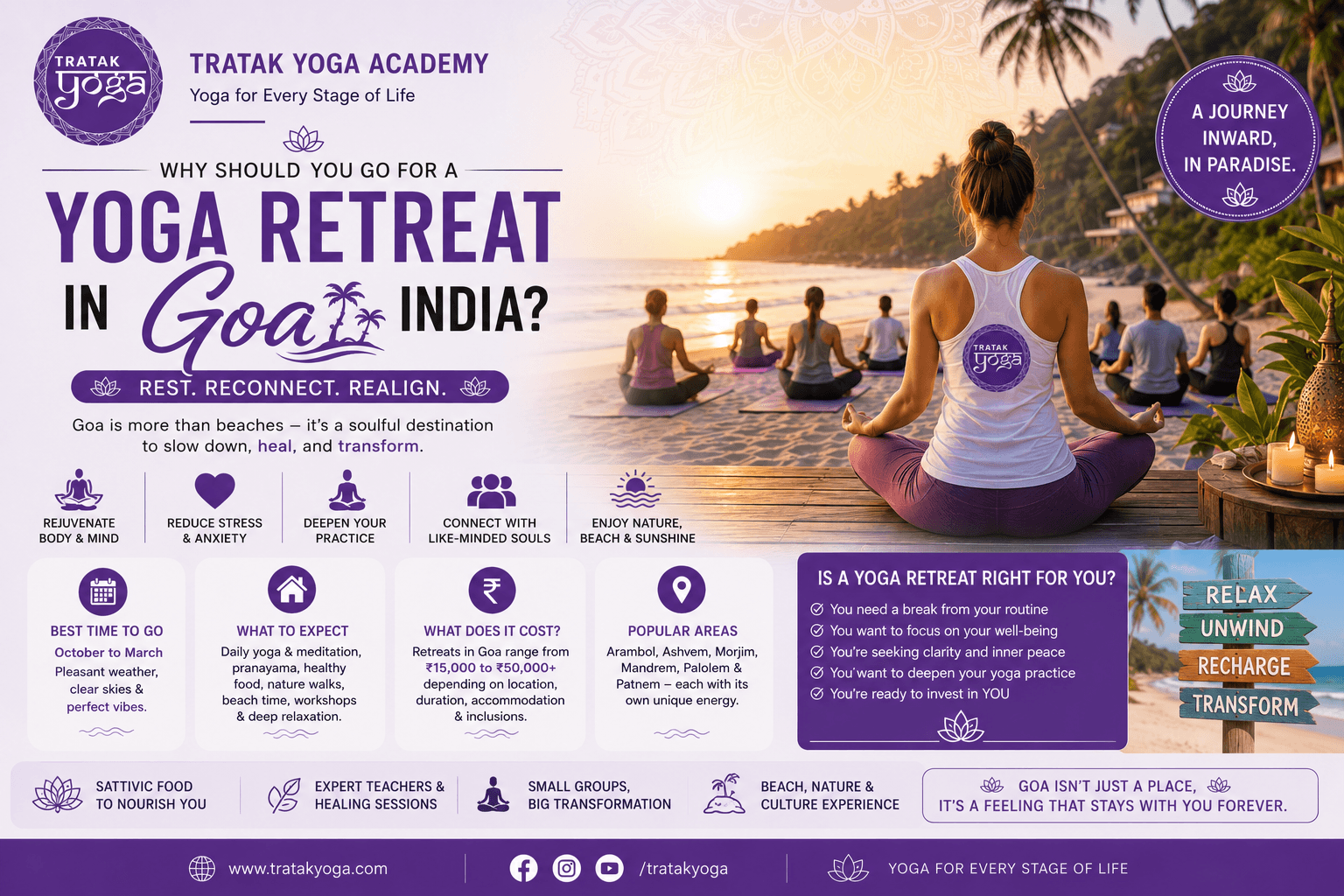
Why Should You Go for a Yoga Retreat in Goa, India?
A clear, honest guide to what makes Goa one of the most popular yoga retreat destinations in the world — and how to know if it’s the right fit for you.
Key Takeaways
- A yoga retreat in Goa, India combines structured daily practice with genuine downtime, making it very different from a fast-paced sightseeing holiday.
- Goa offers a rare mix: a real yoga culture, a relaxed beach setting, and strong international travel infrastructure, all in one place.
- The best time to visit is October through March, when the weather is dry and comfortable for outdoor practice.
- Retreats range from a long weekend to several weeks, and from simple, no-frills stays to full luxury wellness resorts.
- A retreat is not the same as yoga teacher training. It’s built for rest, reflection, and practice, not certification.
Introduction: Sometimes You Just Need to Stop
Most holidays ask something of you. See this landmark. Try this restaurant. Fit in one more activity before you fly home. A yoga retreat asks the opposite. It asks you to slow down, and mean it.
Goa has become one of the world’s most sought-after places to do exactly that. It has the beaches people already associate with rest, the yoga culture people associate with depth, and enough international infrastructure to make traveling there simple, even for first-time visitors to India.
This guide walks through what a yoga retreat in Goa actually involves, why so many people choose it over other destinations, what it costs, and how to pick the right one. If you’ve been quietly wondering whether this kind of trip is really worth it, this is written to help you answer that honestly.
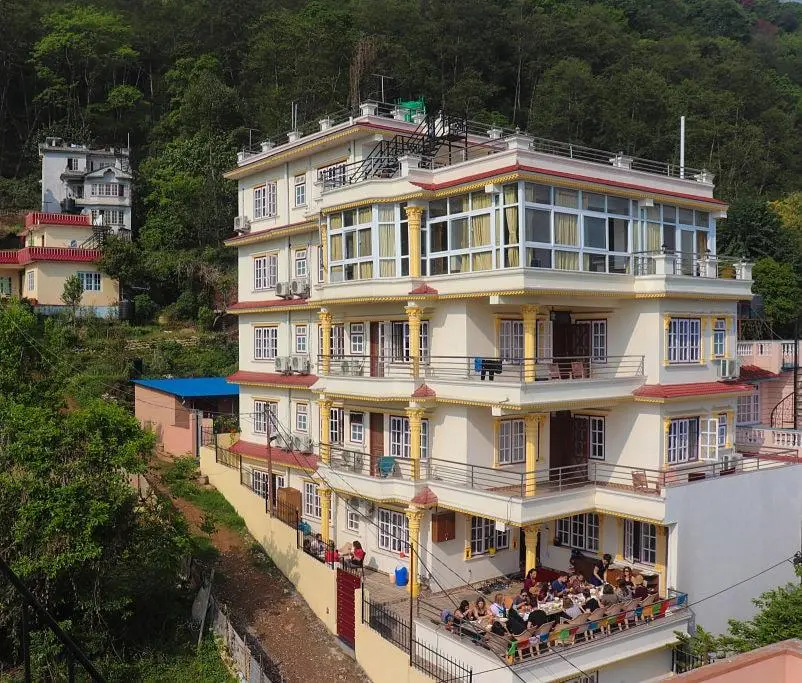
At Tratak Yoga Academy, our own residential programs run in Rishikesh, Pokhara, and Bali. We don’t currently operate a retreat in Goa, so consider this an independent, practical guide, not a sales page for our own offering.
What Exactly Is a Yoga Retreat?
Retreat vs. Vacation
A yoga retreat is a structured trip built around daily practice, rest, and often some form of reflection or learning. Unlike a typical vacation, the schedule usually includes fixed practice times, shared meals, and a slower overall pace, rather than a packed list of sightseeing activities.
Retreat vs. Yoga Teacher Training
This distinction matters, because the two get confused often. A yoga teacher training program is an intensive educational course leading to a certification, usually 200 hours or more, with exams, practice teaching, and academic requirements. A retreat has no certification, no exams, and a much lighter daily structure. It exists purely for the experience itself.
Who Retreats Are Really For
Retreats suit people who want rest, reflection, and a deeper connection to their practice, without the pressure of formal study. That includes total beginners, experienced practitioners, and people managing stress or burnout who simply need a genuine break.
Why Goa, Specifically?
1: A Genuine Yoga Culture, Not Just a Backdrop
Goa isn’t a place that recently discovered yoga for tourism purposes. It has hosted a real, ongoing yoga and wellness community for decades, which means retreat centers here tend to have real depth behind them, not just a marketing angle.
2: The Beach Actually Adds Something
Practicing yoga near the ocean isn’t just aesthetically nice. The sound of waves, the open horizon, and the natural rhythm of tides all support the kind of nervous system regulation a retreat is meant to encourage in the first place.
3: Easy International Access
Goa has well-developed airport access and tourist infrastructure built up over decades of international travel. For a first trip to India, that matters. It lowers the logistical barrier that sometimes keeps people from ever booking a wellness trip abroad.
4: A Wide Range of Retreat Styles
Unlike some destinations that offer only one type of experience, Goa hosts everything from simple, no-frills ashram-style retreats to high-end luxury wellness resorts. Whatever kind of experience you’re looking for, there’s likely a version of it somewhere in Goa.
What Happens on a Typical Yoga Retreat in Goa
A Sample Daily Schedule
- 6:30–7:30 AM: Guided meditation or pranayama
- 7:30–9:00 AM: Morning yoga practice
- 9:00–10:00 AM: Breakfast
- 10:00 AM–12:00 PM: Free time (beach, spa, journaling, rest)
- 12:30 PM: Lunch
- 2:00–4:00 PM: Free time or optional workshop
- 4:30–6:00 PM: Evening yoga or restorative session
- 6:30 PM: Dinner
- Evening: Optional satsang, sound healing, or quiet time
Common Retreat Themes
- General wellness and relaxation retreats — the most common format, focused on rest and gentle practice
- Detox retreats — combining yoga with cleansing diets or Ayurvedic treatments
- Meditation-focused retreats — built around silence, stillness, and inner reflection
- Yoga and surf retreats — a Goa-specific hybrid, pairing morning yoga with afternoon surf lessons
- Couples or solo women’s retreats — designed around a specific audience or shared experience
How Much Structure Should You Expect?
Retreats vary widely in structure. Some run a tight schedule similar to teacher training. Others offer only two or three optional sessions a day, leaving the rest of your time completely free. Always check a retreat’s exact daily schedule before booking, especially if you have a strong preference either way.
Best Time to Visit Goa for a Yoga Retreat
Peak Season: October to March
- This period offers Goa’s most comfortable weather for outdoor practice: dry conditions, lower humidity, and pleasant temperatures for both morning and evening sessions.
Shoulder Season: April to May
- Temperatures rise noticeably during these months. Some retreats still operate, often with practice scheduled earlier in the morning or later in the evening to avoid the midday heat.
Monsoon Season: June to September
- Heavy rain and high humidity make daily outdoor practice difficult during these months. Many retreat centers reduce operations or close entirely during peak monsoon weeks.
Quick Seasonal Reference
Season | Months | What to Expect |
|---|---|---|
Peak season | October–March | Ideal weather, most retreats fully open |
Shoulder season | April–May | Hot, but manageable with adjusted scheduling |
Monsoon | June–September | Limited operations, heavy rain |
How Long Should a Yoga Retreat Be?
Short Retreats (2–5 Days)
- Good for a first taste of retreat life, or for travelers combining it with a broader India trip. Enough time to reset, though not always enough to create lasting change in habits or practice depth.
Medium Retreats (1–2 Weeks)
- This is often considered the sweet spot. Long enough to settle into a rhythm, deepen your practice, and genuinely disconnect from ordinary routines, without requiring a huge time commitment.
Extended Retreats (3+ Weeks)
- Less common, but available for people seeking a deeper reset or working through a significant life transition. These extended stays start to resemble the immersive depth of a yoga teacher training, minus the academic requirements.
What Does a Yoga Retreat in Goa Cost?
What Affects the Price
- Accommodation style — shared rooms cost far less than private beachfront villas
- Meal plan — full board versus optional or à la carte meals
- Retreat length — longer stays typically lower the average nightly cost
- Added extras — spa treatments, excursions, or specialist workshops often cost more
- Season — peak months can carry a price premium over shoulder season
What’s Usually Included
Most retreat packages include accommodation, daily yoga and meditation sessions, and meals. Some also include airport transfers, excursions, or Ayurvedic consultations. Always request a detailed inclusions list before booking, since “retreat” pricing structures vary widely between providers.
Budget vs. Luxury: What Really Changes
The core daily practice, yoga, meditation, and rest, tends to stay fairly consistent across price points. What changes most with a higher price tag is usually accommodation comfort, meal variety, and added extras, rather than the depth of the yoga instruction itself.
How to Choose the Right Yoga Retreat in Goa
- Clarify what you actually need. Rest, structure, community, or solitude all point toward different retreat styles.
- Check instructor credentials. Look for teachers with genuine training and experience, not just a strong social media presence.
- Read independent reviews. Look beyond a retreat’s own website for honest feedback from past guests.
- Confirm the daily schedule. Make sure the structure matches the balance of activity and free time you’re hoping for.
- Get a full cost breakdown. Ask exactly what’s included before paying a deposit.
- Consider location within Goa. North Goa tends to be livelier and more social; South Goa is generally quieter and more secluded.
Common Concerns, Addressed Honestly
H3: “Is a retreat too indulgent, or is it actually worth it?”
This depends entirely on what you need right now. If you’re running on empty, genuinely uninterrupted rest isn’t indulgence, it’s maintenance. A retreat gives you dedicated time and space to do that well, which is difficult to replicate in ordinary daily life.
H3: “Will I be judged if I’m not flexible or experienced?”
No. Reputable retreats welcome a wide range of experience levels and body types. Good instructors build sessions that meet you where you are, not the other way around.
H3: “Is it safe to travel alone for this kind of trip?”
Goa is one of India’s most visited destinations by international and solo travelers, including many women traveling alone, and generally has solid infrastructure to support this. Choosing an established, reputable retreat center and using sensible travel precautions addresses most common concerns.
H4: “What if I don’t want to disconnect completely from work or family?”
Most retreats don’t require a complete digital detox unless specifically marketed that way. Many guests use their free time blocks to stay lightly connected, though fully disconnecting, even briefly, is often part of what makes the experience valuable.
Retreat or Teacher Training? How to Decide
If your goal is rest, reflection, and reconnecting with your practice, a retreat is very likely the right choice. If your goal includes a genuine desire to teach, or to study yoga at a much deeper academic and practical level, a 200-hour yoga teacher training is a better fit, even if it feels like a bigger commitment upfront.
Some practitioners use a short retreat as a low-pressure way to test whether they’re ready for the more demanding structure of teacher training later on.
Frequently Asked Questions
Why is Goa a popular destination for yoga retreats?
Goa combines a genuine, long-established yoga culture with a relaxed beach setting and strong international travel infrastructure, making it accessible and appealing for both first-time and experienced retreat-goers.
How long should a yoga retreat in Goa be?
Retreat length varies by goal. Short retreats of 2 to 5 days work well for a quick reset, while 1 to 2 weeks is often considered the ideal length for deeper rest and practice without a major time commitment.
What is the best time of year for a yoga retreat in Goa?
The peak season runs from October to March, offering dry, comfortable weather for daily outdoor practice. Monsoon months, roughly June through September, are generally avoided due to heavy rain.
What’s the difference between a yoga retreat and yoga teacher training?
A yoga retreat is a shorter, less structured experience focused on rest, practice, and reflection, with no certification involved. Yoga teacher training is a formal educational program, typically 200 hours or more, leading to a recognized teaching certification.
Do I need yoga experience to join a retreat in Goa?
No. Most retreats welcome practitioners of all levels, including complete beginners, and build sessions that accommodate a wide range of experience and physical ability.
How much does a yoga retreat in Goa typically cost?
Costs vary significantly based on accommodation style, retreat length, and included extras like meals, excursions, or spa treatments. It’s best to request a full, detailed pricing breakdown directly from any retreat you’re considering.
Is a yoga retreat in Goa suitable for solo travelers?
Yes. Goa has strong infrastructure for solo travelers, including many women traveling alone, and retreats often naturally create a built-in social community, which many solo travelers find reassuring and enjoyable.
A Note From Tratak Yoga Academy
A good retreat doesn’t try to fix you. It simply gives you room, real, protected room, to hear yourself think again. Goa has built a genuine reputation for offering exactly that kind of space, and this guide is meant to help you choose that experience wisely, wherever you decide to book it. As a Yoga Alliance USA-accredited school with our own residential programs in Rishikesh, Pokhara, and Bali, we understand how much the right setting matters, and we’d rather point you toward an honest decision than an oversold one.
This article reflects general information about yoga retreats in Goa. Specific inclusions, pricing, and instructor credentials vary by provider, so always verify details directly with any retreat center you’re considering before booking.


Comments are closed