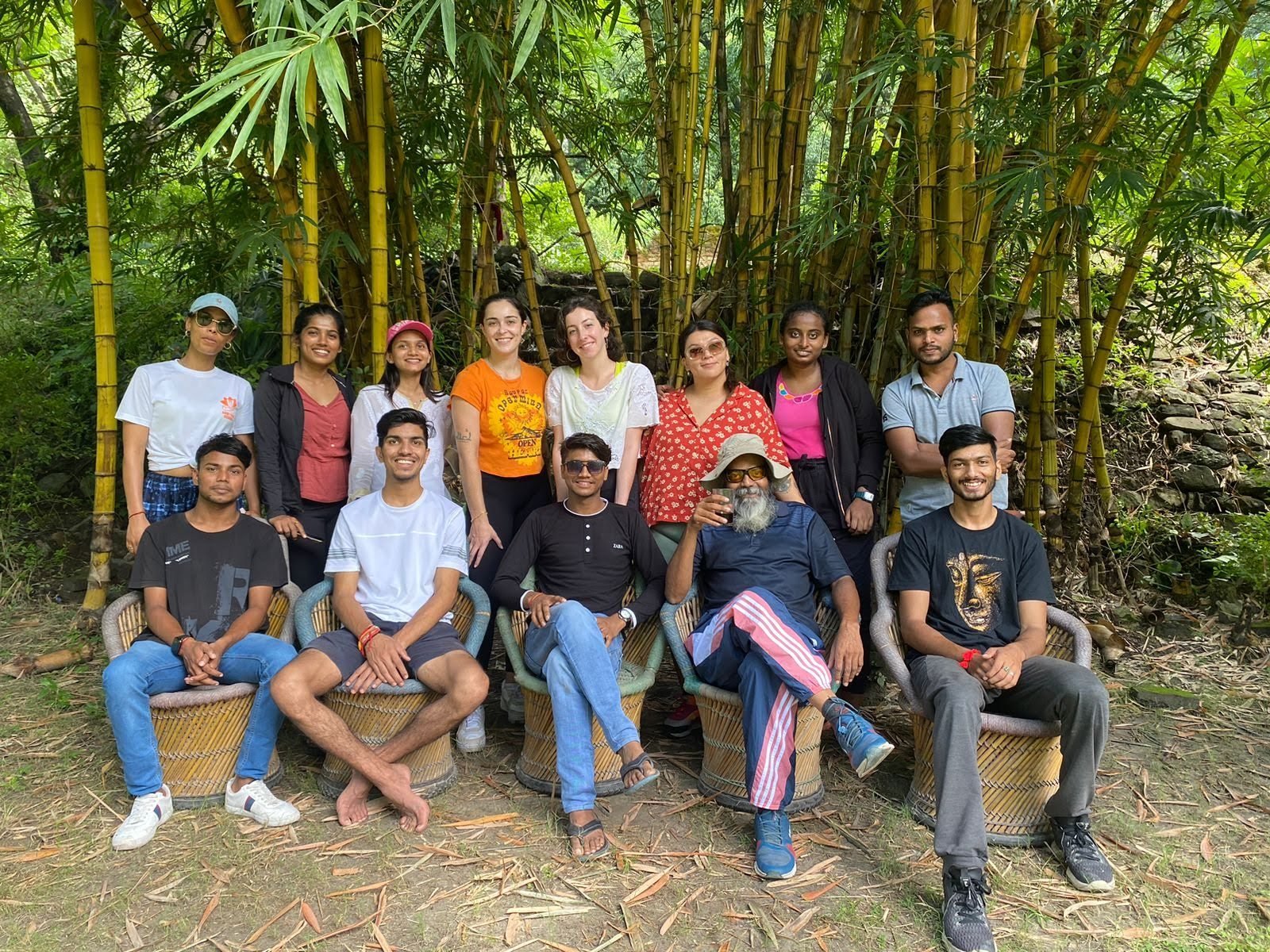
300-Hour Yoga Teacher Training in Rishikesh, India at TratakYoga™
Experience Authentic Yoga Teacher Training in the Serenity of Rishikesh
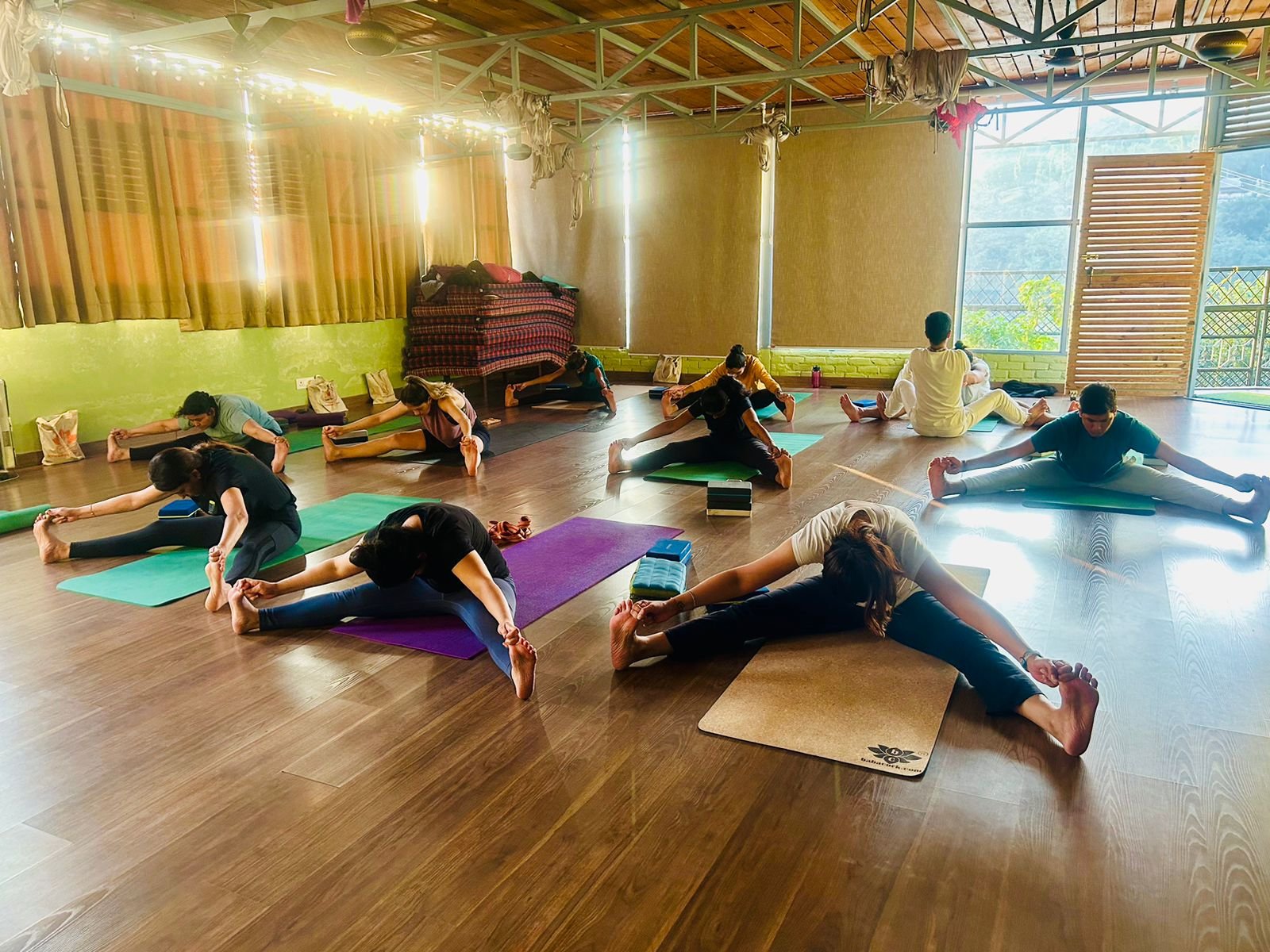
(Yoga Alliance USA Certified – 28 days – 300 Hour Yoga Teacher Training Course)
Welcome to Tratak Yoga Academy, one of the best yoga schools in Rishikesh, India — offering the internationally recognized 300 Hour Advanced Yoga Teacher Training Course (YTTC) certified by Yoga Alliance USA.
This advanced yoga teacher training in Rishikesh is designed for practitioners who have completed their 200-hour yoga certification and are ready to deepen their practice, refine their teaching skills, and take the next step toward becoming a certified RYT-500 Yoga Teacher.
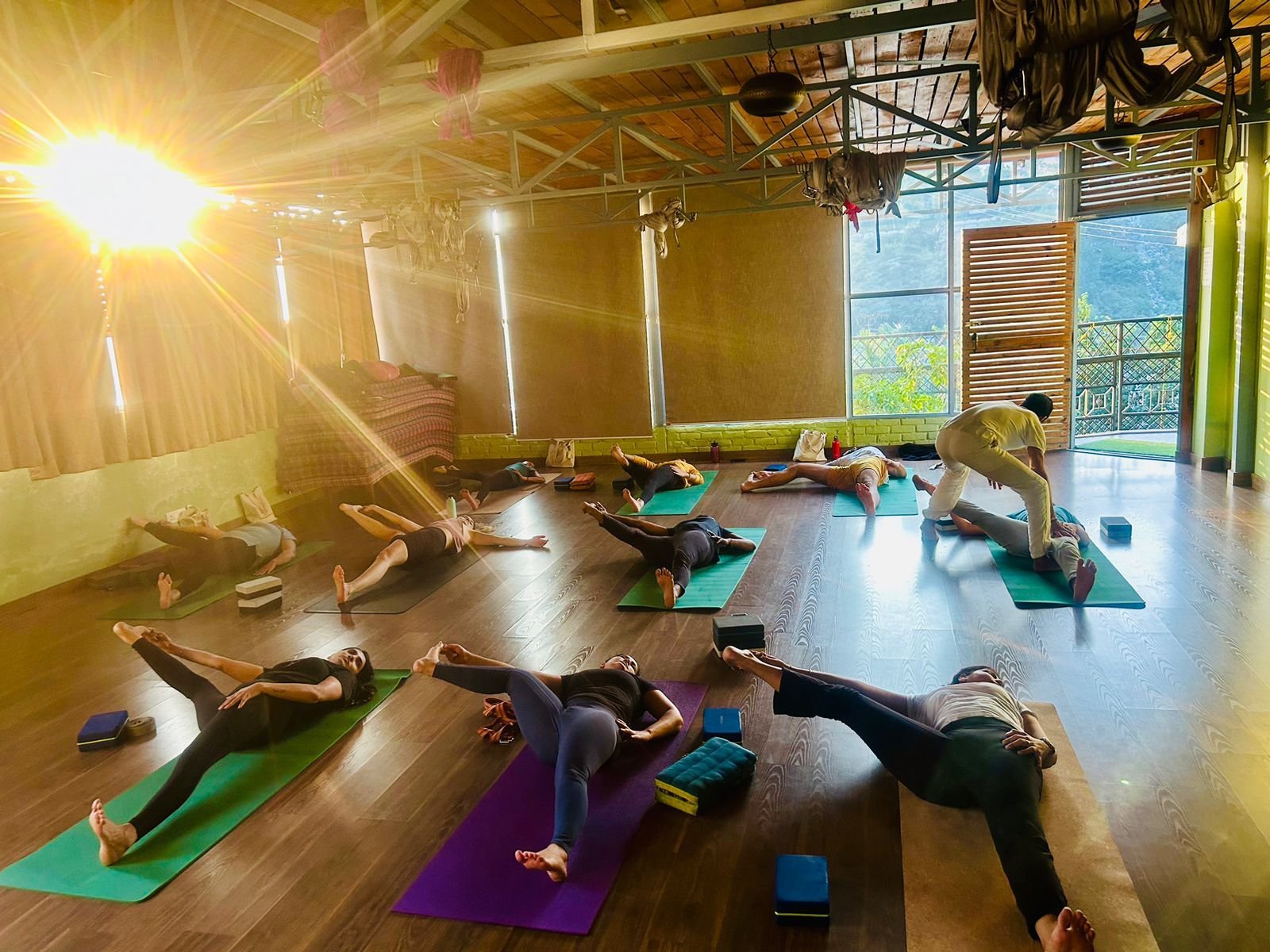
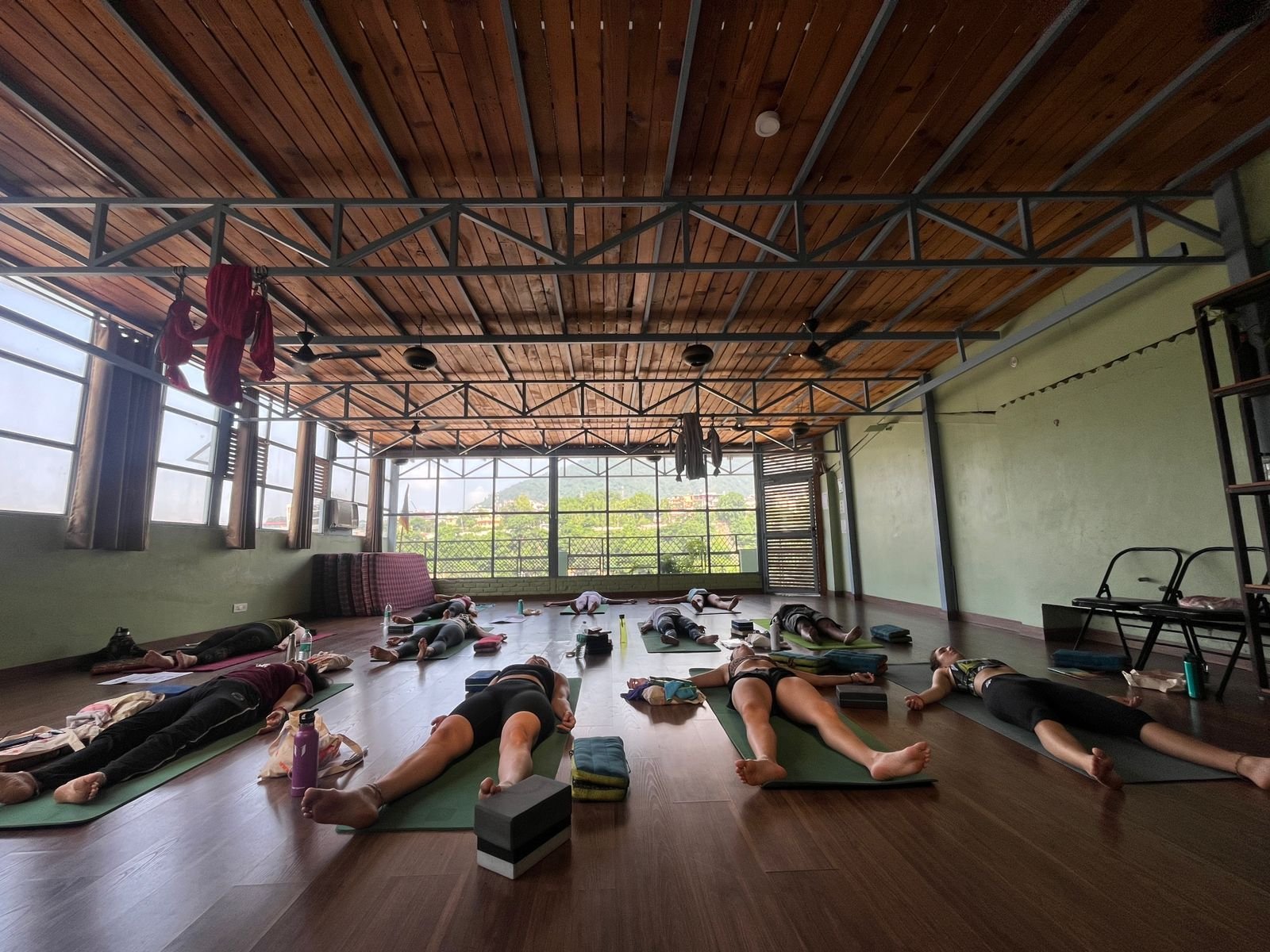
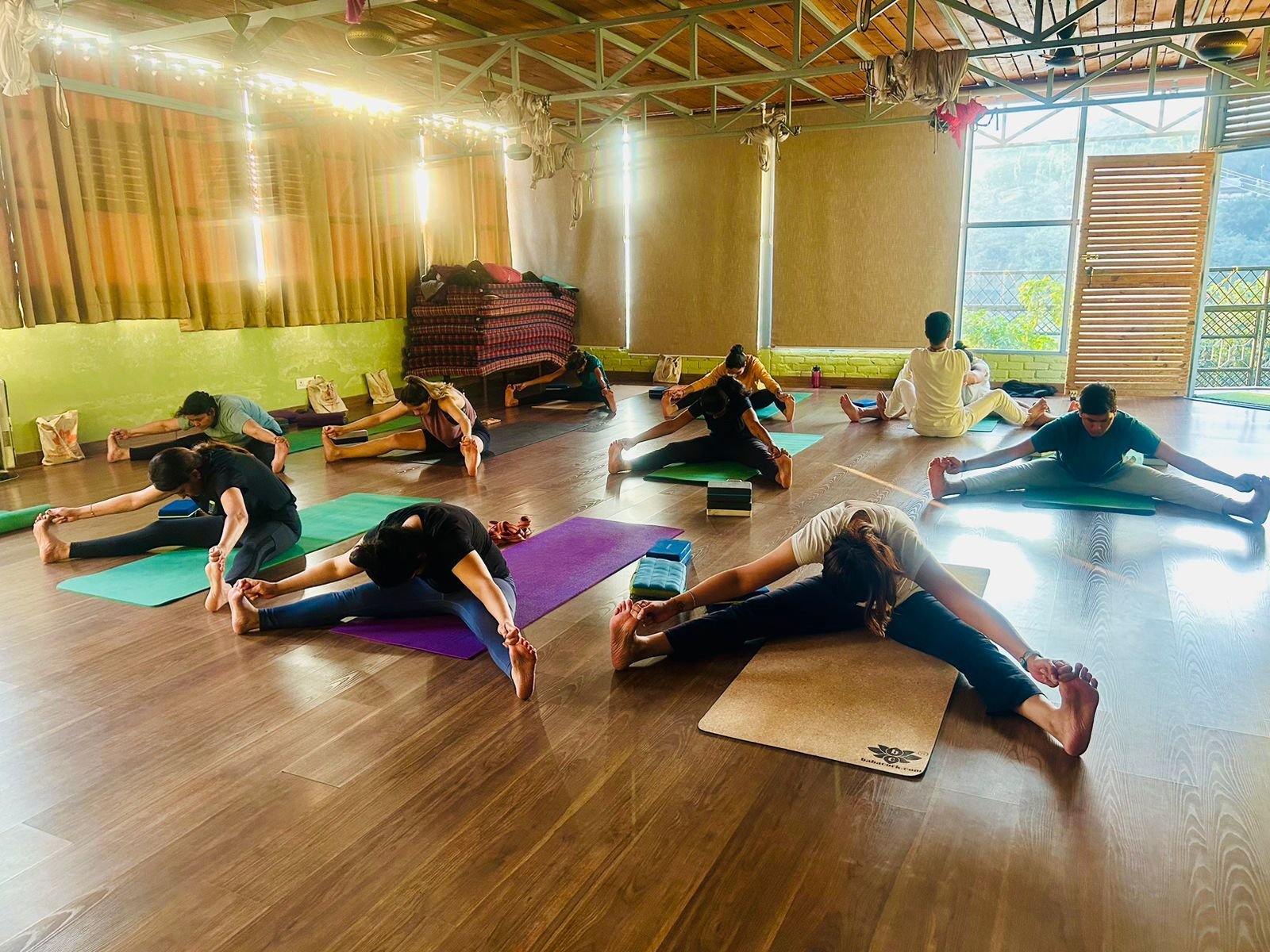
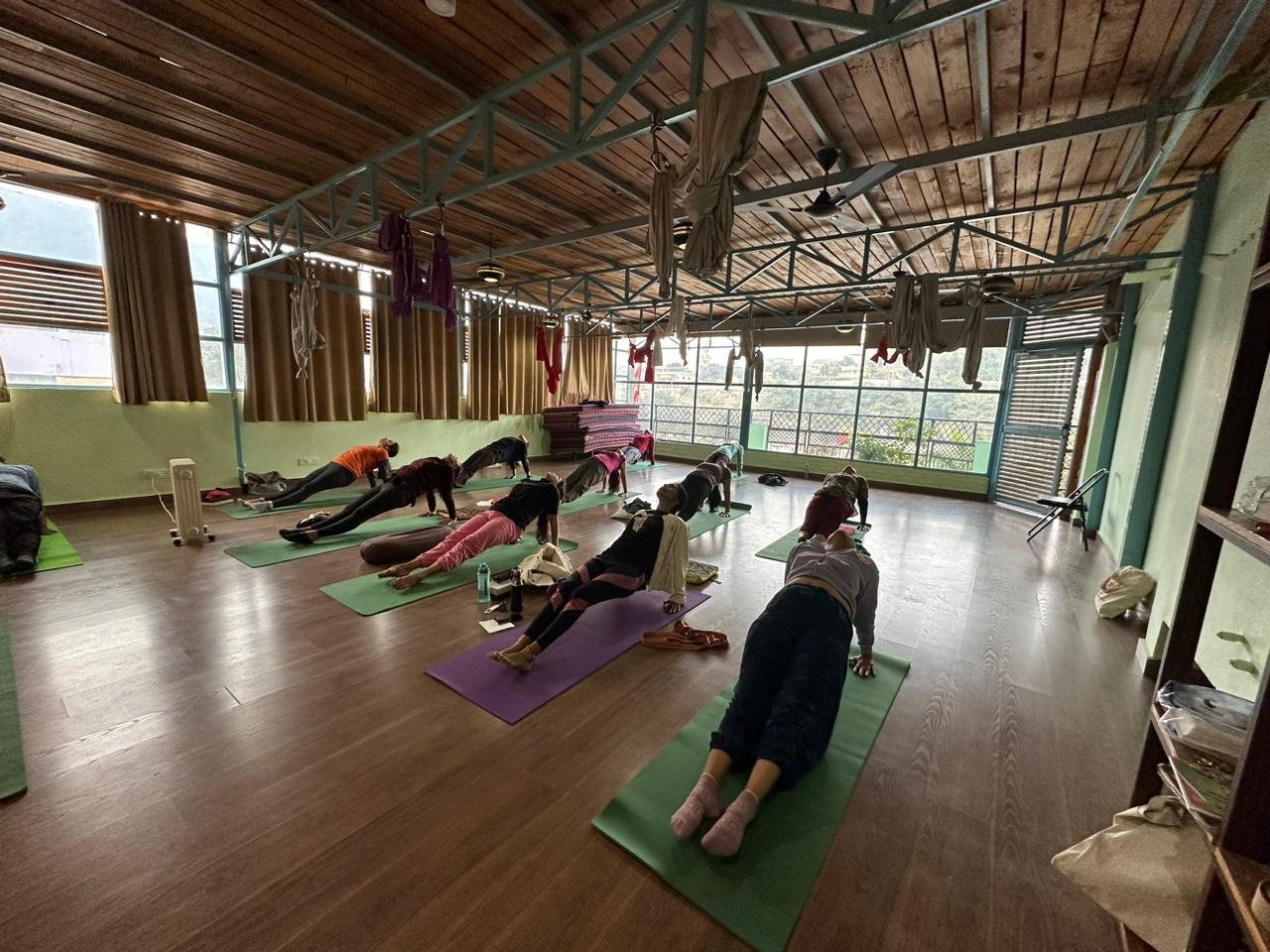
Located in the peaceful Himalayan foothills near the sacred Ganga River, Tratak Yoga Academy provides a serene and authentic learning environment for serious yoga seekers from around the world.
UPCOMING DATES
| Dates | Days | Private Room | Twin Sharing | Triple Sharing |
|---|---|---|---|---|
| 2nd To 30th Every Month | 28 | €1800 | €1500 | €1200 |
Private Room Fee: 400 USD additional Fee
How to Enroll: 20% Booking fee. Rest fee on your arrival
About the 300-Hour Yoga Teacher Training in Rishikesh
Our 300 Hour YTTC is a 28-day immersive program that combines traditional yogic wisdom with modern anatomy and advanced teaching techniques. It focuses on mastering Hatha Yoga, Ashtanga Vinyasa, Aerial Yoga, Pranayama, Meditation, Yoga Philosophy, and Ayurveda.
The course aims to help you evolve from a competent yoga instructor into a confident, authentic, and inspiring teacher, capable of guiding advanced students with clarity and precision.
What You Will Learn
Advanced Asana Practice
- Hatha Yoga and Ashtanga Intermediate Series (Nadi Shodhana)
- Deep alignment, adjustment, and assist techniques
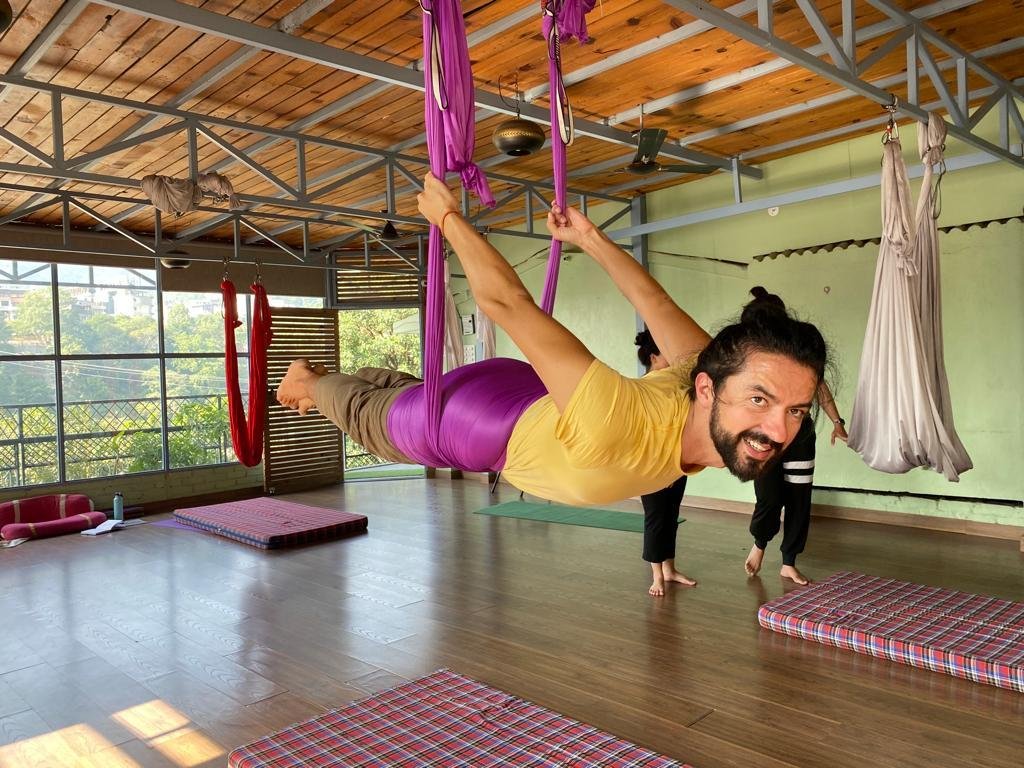
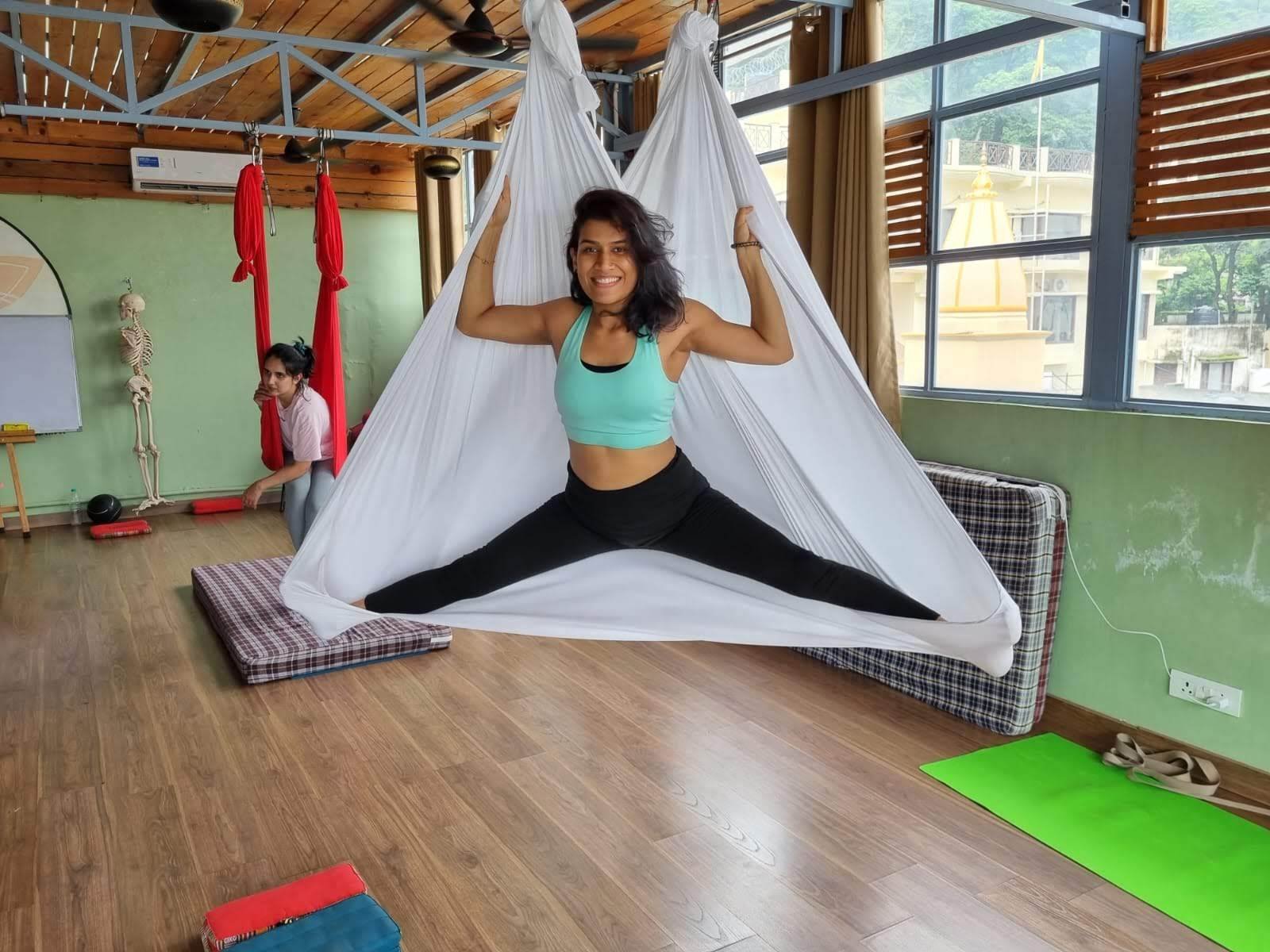
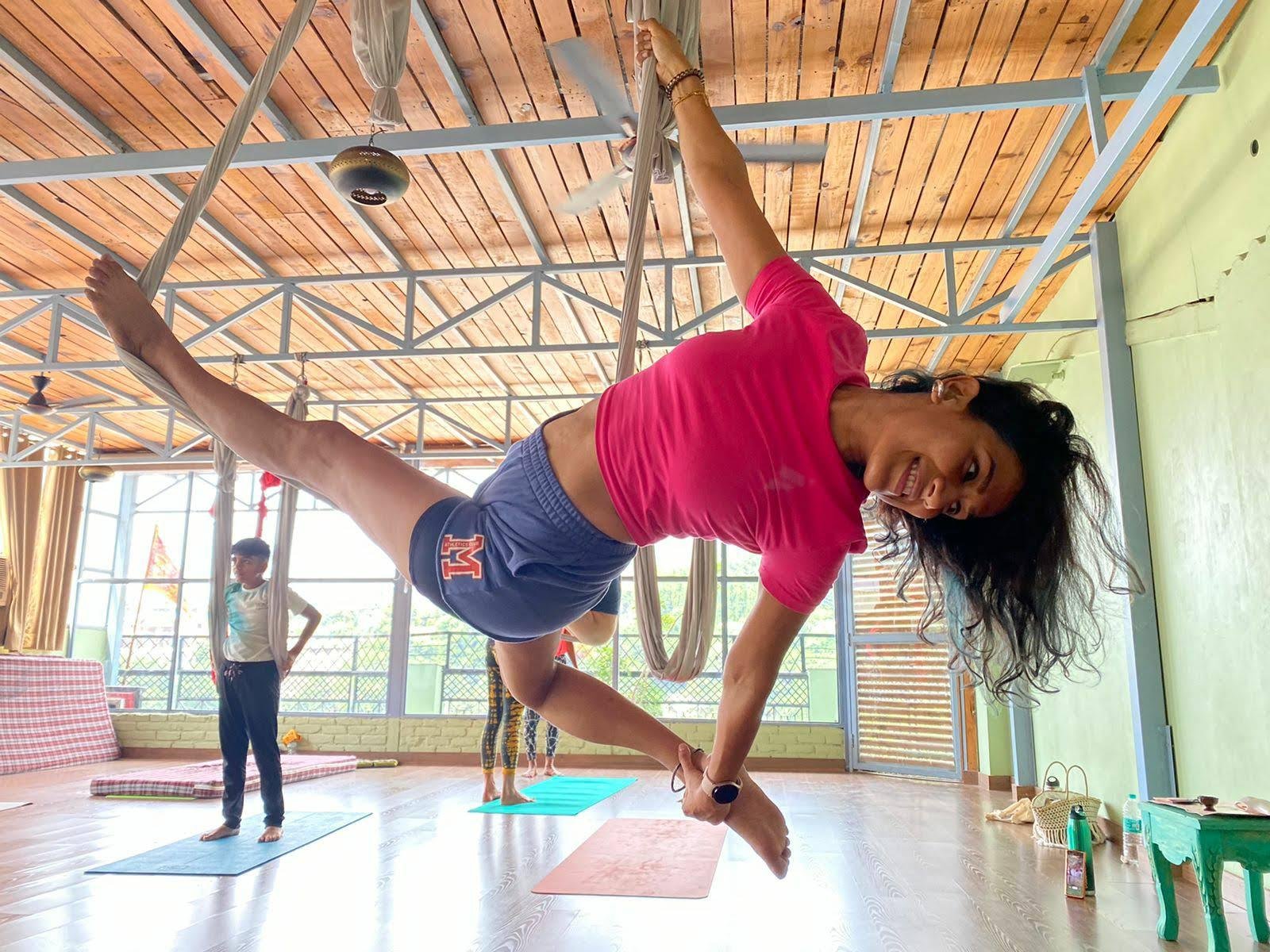
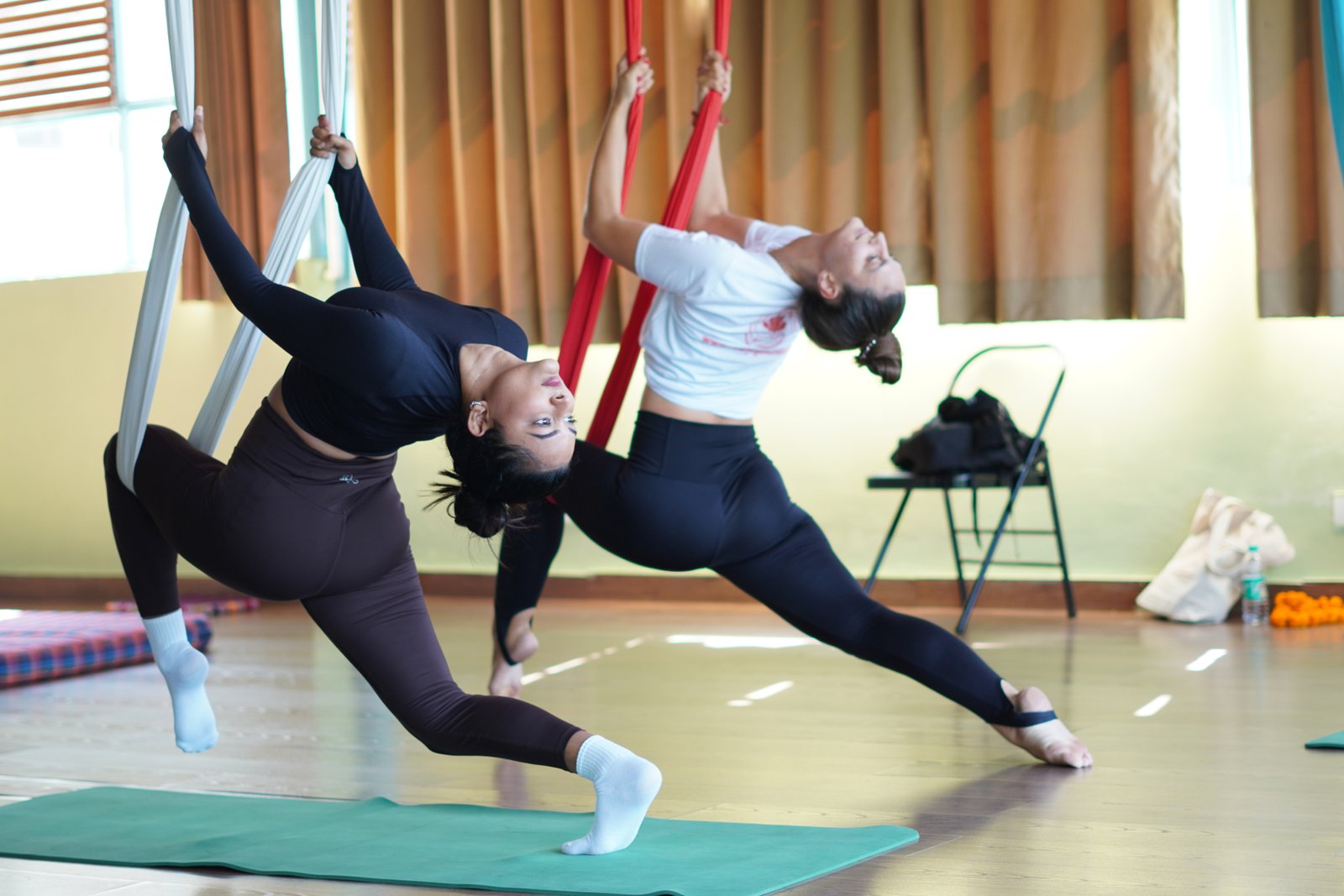
- Aerial Yoga for flexibility, strength, and therapy
Teaching Methodology & Sequencing
- Designing advanced-level classes for mixed groups
- Teaching cue refinement, voice, and presence
- Building confidence for professional yoga teaching
Yoga Philosophy & Anatomy
- Patanjali Yoga Sutras and Bhagavad Gita studies
- Subtle body, chakras, nadis, and pranic energy systems
- Applied anatomy, yoga therapy, and Ayurveda
Pranayama, Meditation & Sound Healing
- Advanced Pranayama: Nadi Shodhana, Bhastrika, Kumbhaka
- Meditation, Yoga Nidra, and mindfulness techniques
- Sound Healing & Mantra Chanting sessions
Highlights of the 300 Hour Advanced Yoga TTC
- Yoga Alliance USA Certification (RYS 300)
- Aerial Yoga & Sound Healing Sessions included
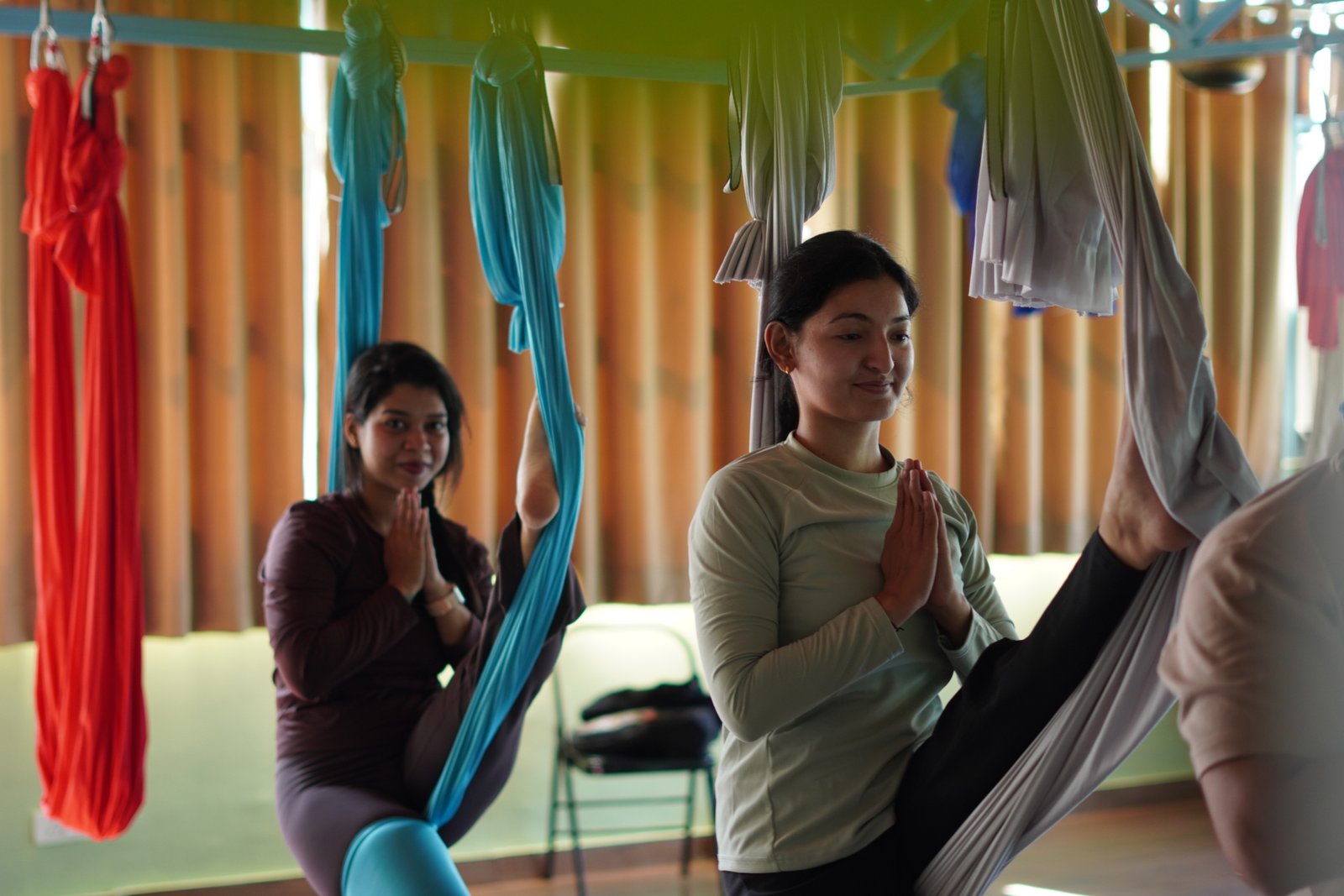
- Small Batch Size – Maximum 12 Students
- Post-training teaching support & mentorship
- Experienced, certified yoga teachers
- 24×7 assistance, sattvic meals, and hygienic stay
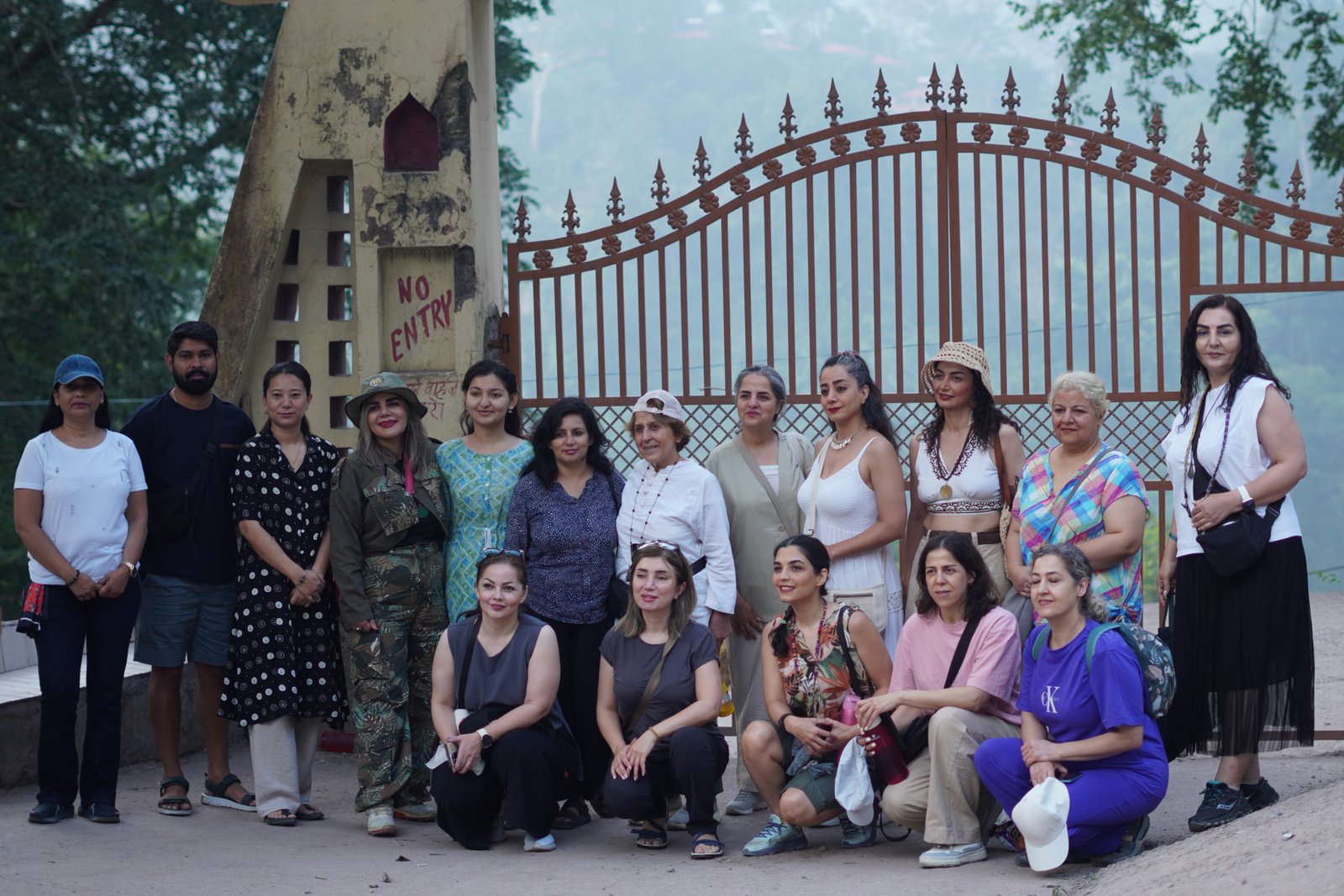
- Outdoor yoga excursions & temple visits
- Wi-Fi, power backup, and pure RO water
COURSE INCLUSIONS:
- 28 days shared or private accommodation
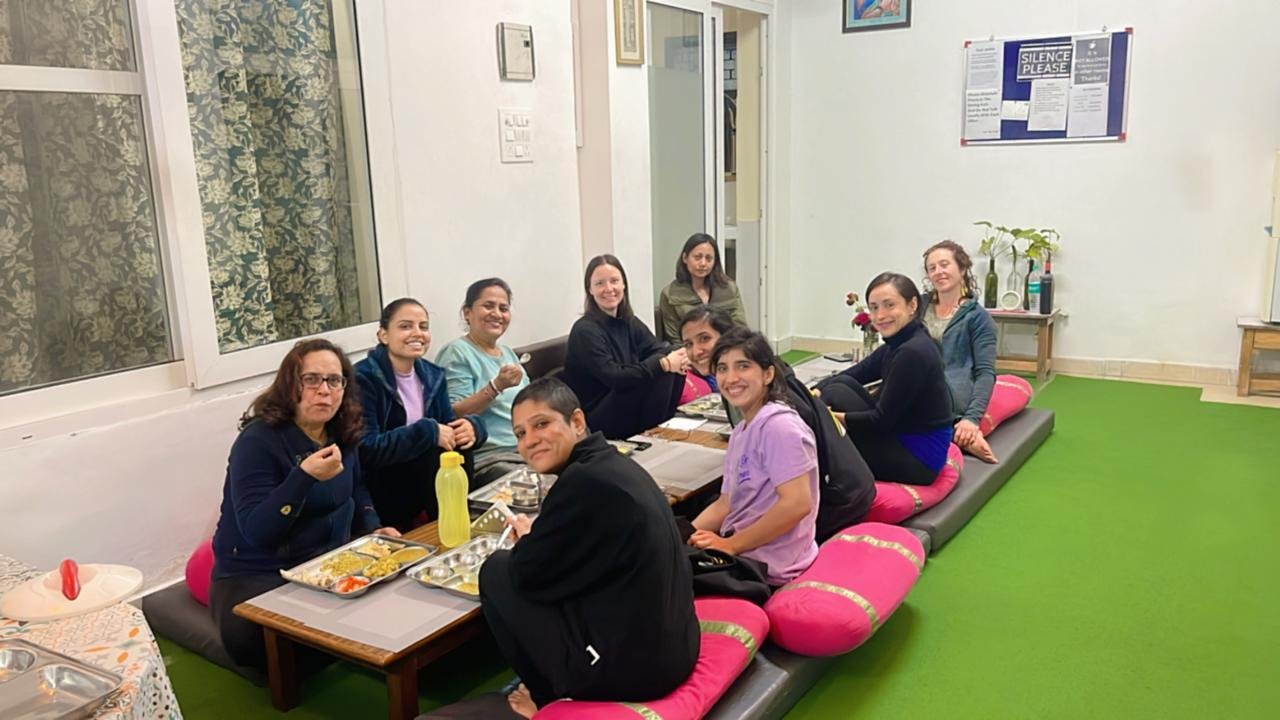
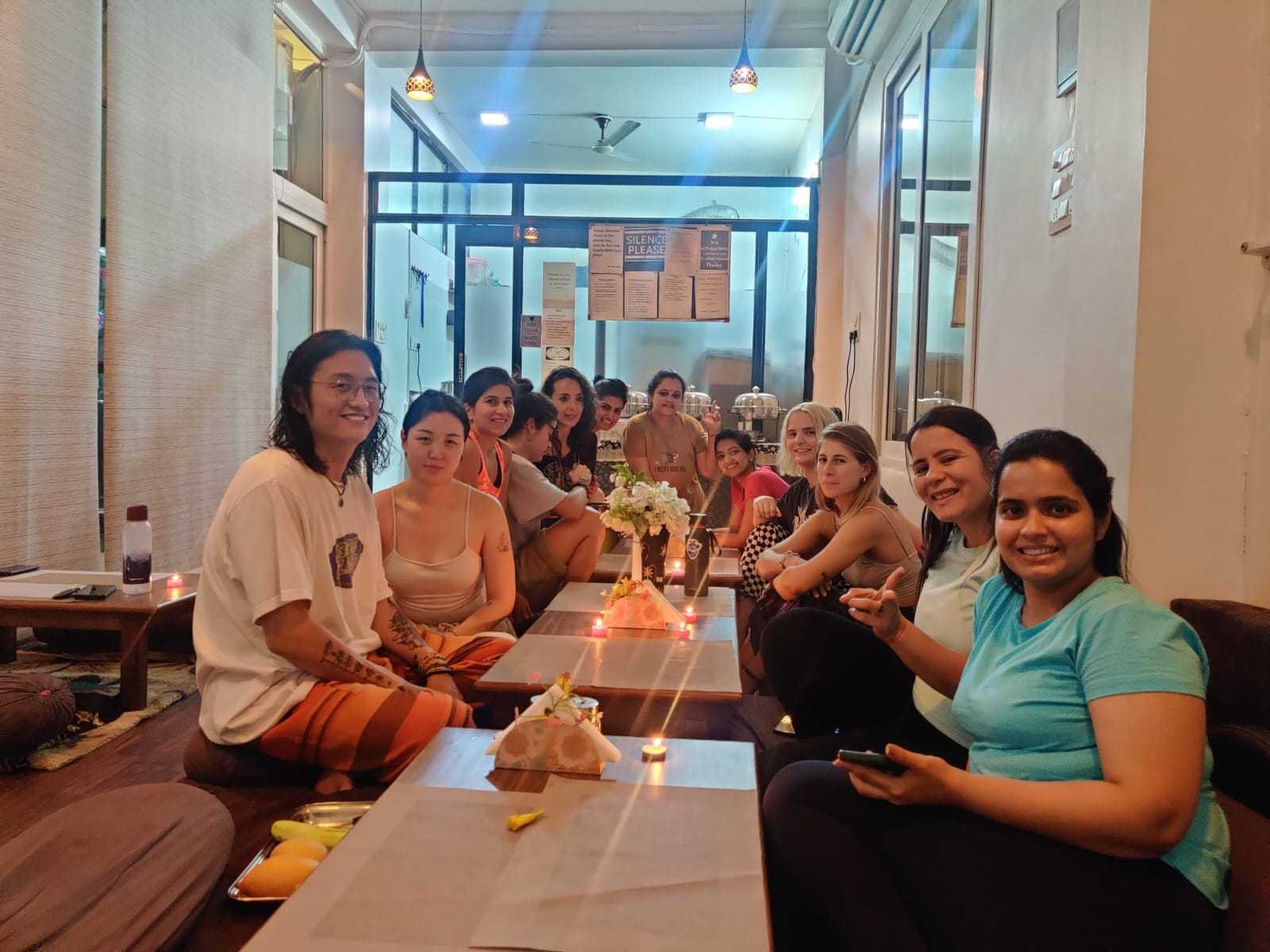
- 3 healthy vegetarian meals daily (vegan/gluten-free available)
- Herbal tea and black coffee available all day
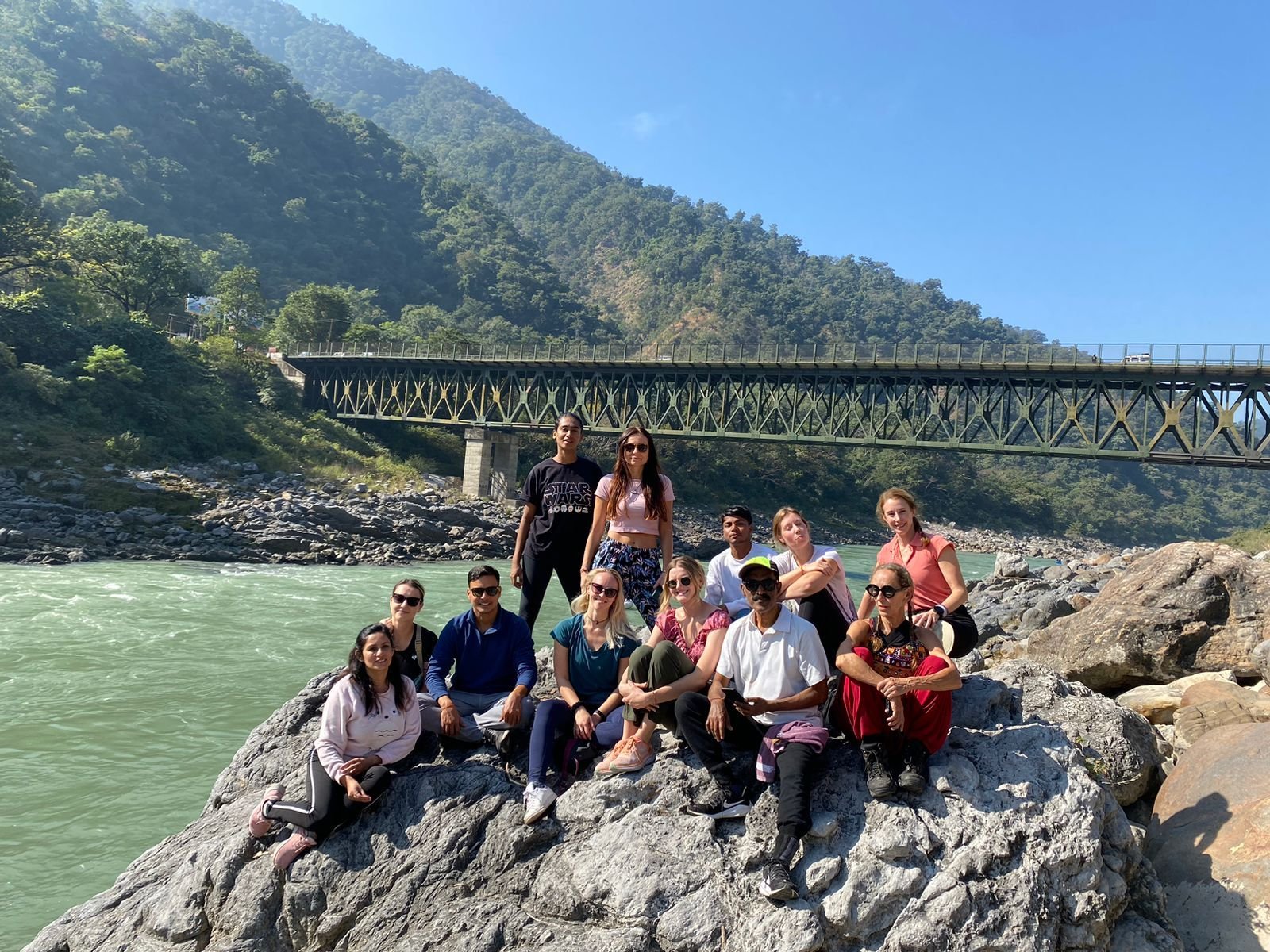
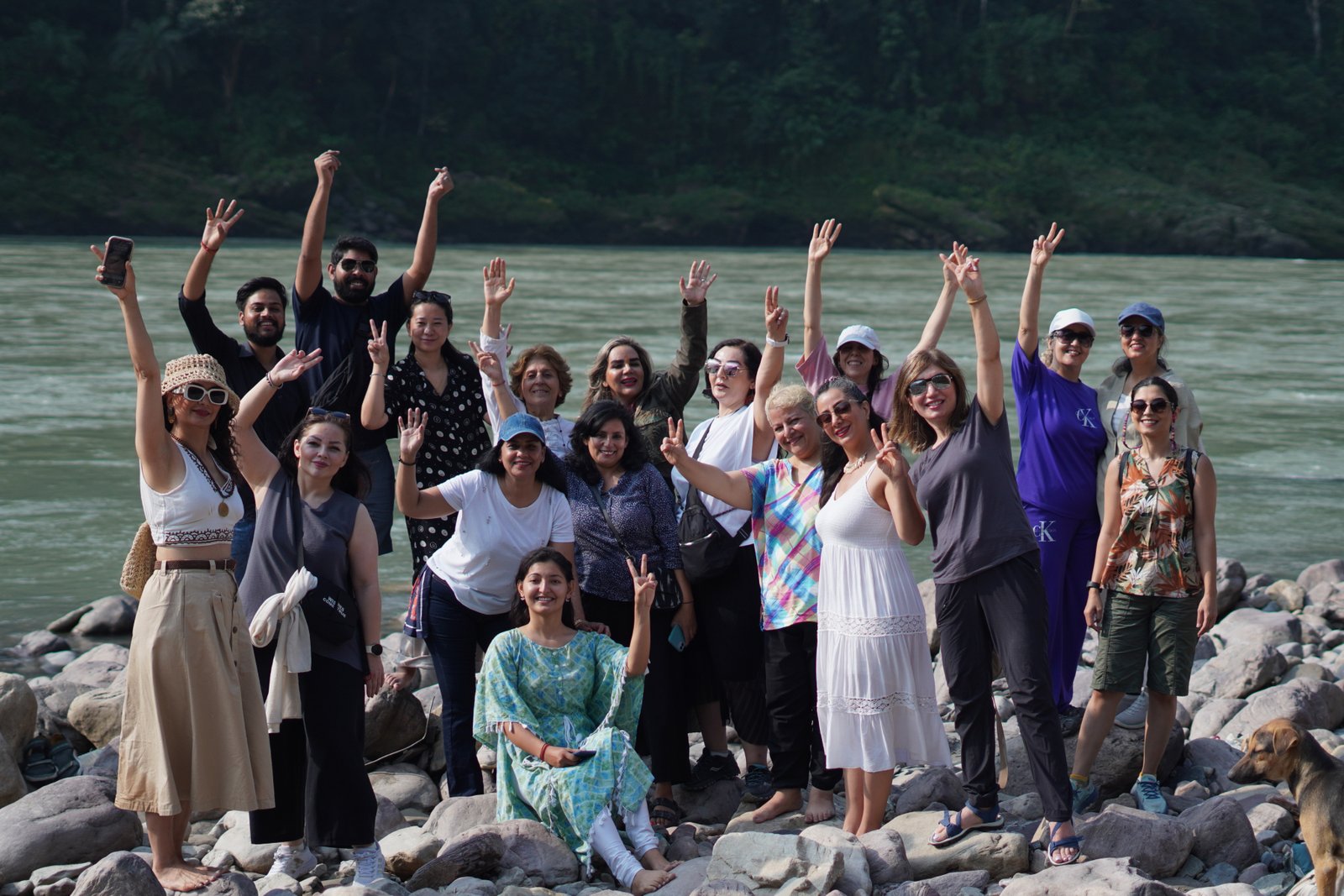
- Two outdoor excursions and one Ganga beach yoga session
- Study material and course manual
- Optional YACEP Aerial Yoga Certificate at additional cost
DAILY SCHEDULE
- 05.45 am to 06.45 am: Pranayam / Mantra Chanting/ Shat Karma
- 06.45 am to 07.45 am: Yoga Anatomy Class
- 08.00 am to 09.30 am: Ashtanga Yoga / Adjustment Alignment
- 09.30 am: Breakfast
- 10.30 am to 11.30 am: Yoga Philosophy Class
- 11.30 am to 01.00 pm: Self Study Time (Aerial Yoga Classes for 6 days)
- 01.00 pm: Lunch
- 02.00 pm to 03.30 pm: Rest / Self-Practice / Self Study
- 03.30 pm to 05.00 pm: Hatha Yoga / Teaching Methodology
- 05.15 pm to 06.15 pm: Meditation Class (Monday to Friday)
- 07.00 pm: Dinner
(JUST FOR YOUR REFERENCE. IT CAN BE CHANGED FOR YOUR TRAINING BATCH)
SYLLABUS FOR THIS COURSE
Tratak Yoga Academy, Yoga Teacher Training Rishikesh will help you begin your journey and career in the glorious field of yoga. With our various courses and programs, you can learn a lot about it in a short period of time. The syllabus of yoga in Rishikesh is maintained in such a way that every topic gets covered theoretically and practically. All the important topics are covered in our well-maintained syllabus and schedule.
Pranayama (Breathing Techniques)
“Pranasya Ayamah Iti Pranayama” — Pranayama is the expansion and regulation of breath.
In our Yoga Teacher Training Course, students are guided through a comprehensive understanding and practice of various pranayama techniques. These practices are designed not only to help reduce stress, anxiety, and fatigue, but also to rejuvenate the body, enhance blood circulation, and improve mental clarity and concentration.
Breath serves as a vital bridge between the body and the mind. By consciously working with the breath, practitioners learn to establish this connection, which becomes a powerful foundation for deeper meditation and inner awareness.
Curriculum Overview – Pranayama Training
- Introduction to Pranayama
- The Four Aspects of Pranayama
- Understanding the Koshas (Five Layers of Being)
- Types of Breathing Techniques
- Shatkarma (Yogic Cleansing Practices)
- Ashta Kumbhakas (Eight Breath Retentions)
Pranayama Techniques Covered
- Kapalbhati (Frontal Brain Cleansing)
- Nadi Shodhana Pranayama (Alternate Nostril Breathing)
- Surya Bheda Pranayama (Vitality Stimulating Breath)
- Ujjayi Pranayama (The Psychic Breath)
- Bhastrika Pranayama (Bellows Breath)
- Sheetkari Pranayama (Hissing Breath)
- Sheetali Pranayama (Cooling Breath)
- Bhramari Pranayama (Humming Bee Breath)
Shatkarma – Yogic Cleansing Practices
Shatkarma refers to the six classical purification techniques in yoga, designed to cleanse the body and prepare it for higher practices such as pranayama and meditation. According to yogic science, it is essential to balance the doshas—Vata, Pitta, and Kapha—before advancing into deeper breathwork and spiritual practices.
These cleansing techniques, rooted in Hatha Yoga, help remove physical and energetic blockages, improve internal functioning, and create a strong foundation for overall health and well-being.
Course Overview – Shatkarma Practices
- Understanding the Purpose and Importance of Shatkarma
- Balancing the Doshas through Cleansing Techniques
- Preparing the Body for Pranayama and Meditation
Techniques Covered in the Training
- Jal Neti – Nasal Cleansing with Water
- Sutra Neti – Nasal Cleansing Using a Thread/Catheter
- Agnisara Kriya – Activating the Digestive Fire
- Kapalbhati Kriya – Frontal Brain Cleansing
- Trataka – Concentrated Gazing Practice
Ashtanga Vinyasa Yoga
In the 20th century, K. Pattabhi Jois systematized and popularized a dynamic and structured form of classical Indian yoga known as Ashtanga Vinyasa Yoga. This powerful practice was rooted in the teachings of his गुरु, T. Krishnamacharya, who emphasized the integration of breath, movement, and focused awareness.
Ashtanga Vinyasa Yoga is an energetic and disciplined practice that synchronizes breath with a progressive series of postures, creating internal heat, detoxifying the body, and cultivating mental clarity.
Course Overview – Ashtanga Yoga Training
- Introduction to Ashtanga Yoga
- History and Philosophy of Ashtanga Yoga
- Awakening the Inner Fire (Tapas)
- The Breath of Life – Understanding Prana
- Chakra Contemplation and Awareness
- The Eight Limbs of Yoga in the Context of Ashtanga Practice
- Understanding the Teaching Methodology of K. Pattabhi Jois
- Bandhas (Energy Locks) and Their Application in Practice
- Drishti (Gaze) – Cultivating Focus During Movement
- Proper Use of Props and Yoga Instruments
Practice Structure (Weekly Progression)
- Week 1: Sun Salutation A & B (Surya Namaskar)
- Week 2: Standing Asana Series
- Week 3: Sitting Asana Series & Finishing Sequence
- Week 4: Teaching Methodology (Traditional & Mysore Style)
Asanas Covered in the Training
Standing Series:
- Pādāṅguṣṭhāsana – Big Toe Pose
- Pāda Hastāsana – Hand Under Foot Pose
- Utthita Trikoṇāsana (A & B) – Triangle Pose
- Utthita Pārśvakonāsana (A & B) – Extended Side Angle Pose
- Prasārita Pādottānāsana (A, B, C, D) – Wide-Legged Forward Fold
- Pārśvottānāsana – Intense Side Stretch
- Utthita Hasta Pādāṅguṣṭhāsana – Hand to Big Toe Pose
- Ardha Baddha Padmottānāsana – Half Bound Lotus Forward Fold
- Utkatāsana – Chair Pose
- Vīrabhadrāsana (A & B) – Warrior Poses
Seated Series:
- Daṇḍāsana – Staff Pose
- Paścimottānāsana – Seated Forward Fold
- Pūrvottānāsana – Upward Plank Pose
- Ardha Baddha Padma Paścimottānāsana – Half Bound Lotus Forward Fold
- Tiryaṅgmukha Ekapāda Paścimottānāsana – One-Leg Fold (Reverse Position)
- Jānu Śīrṣāsana – Head-to-Knee Pose
This structured training not only builds physical strength, flexibility, and endurance but also deepens the practitioner’s connection to breath, awareness, and inner discipline—essential elements for both personal practice and teaching.
Hatha Yoga
The term Hatha Yoga is derived from the Sanskrit word “haṭha,” meaning force or effort. It represents a traditional system of physical practices designed to purify, strengthen, and prepare the body for higher states of awareness. Hatha Yoga emphasizes the practice of asanas (postures), combined with breath control and mindful alignment.
In our training, students explore a wide range of classical asanas, along with their benefits, modifications, and contraindications. Special attention is given to the safe and effective use of props, ensuring accessibility for practitioners of all levels.
Course Overview – Hatha Yoga Practice
- Understanding the principles and philosophy of Hatha Yoga
- Alignment, adjustments, and posture awareness
- Benefits and contraindications of asanas
- Modifications using props for different body types and conditions
- Building strength, flexibility, and stability through practice
Asanas Covered in the Training
Standing Postures:
- Tadasana (Mountain Pose)
- Tiryaka Tadasana (Swaying Palm Tree Pose)
- Vrikshasana (Tree Pose)
- Utkatasana (Chair Pose)
- Katichakrasana (Standing Spinal Twist)
- Virabhadrasana I, II & III (Warrior Poses)
- Trikonasana (Triangle Pose)
- Ardha Chandrasana (Half Moon Pose)
- Parsvakonasana (Side Angle Pose)
- Padahastasana (Hand to Foot Pose)
- Garudasana (Eagle Pose)
- Natarajasana (Dancer Pose)
- Bakasana (Crow Pose)
Seated Postures:
- Sukhasana (Easy Pose)
- Padmasana (Lotus Pose)
- Swastikasana (Auspicious Pose)
- Agnistambhasana (Fire Log Pose)
- Dandasana (Staff Pose)
- Paschimottanasana (Seated Forward Bend)
- Purvottanasana (Upward Plank Pose)
- Janushirsasana (Head-to-Knee Pose)
- Vajrasana (Thunderbolt Pose)
- Mandukasana & Uttan Mandukasana (Frog Variations)
- Supta Vajrasana (Reclined Thunderbolt Pose)
- Vakrasana (Spinal Twist)
- Gaumukhasana (Cow Face Pose)
Kneeling & Backbends:
- Ushtrasana (Camel Pose)
- Balasana (Child’s Pose)
- Parvatasana (Mountain Pose in Sitting)
- Simhagarjanasana (Lion’s Pose)
- Marjariasana (Cat Pose)
Core & Prone Postures:
- Naukasana (Boat Pose)
- Saral Bhujangasana & Bhujangasana (Cobra Variations)
- Viprit Naukasana (Reverse Boat Pose)
- Dhanurasana (Bow Pose)
- Uttanpadasana (Raised Leg Pose)
Inversions & Advanced Postures:
- Sarvangasana (Shoulder Stand)
- Viparita Karani (Legs-Up-The-Wall Pose)
- Halasana (Plough Pose)
- Karnapidasana (Ear Pressure Pose)
- Pavanamuktasana (Wind-Relieving Pose)
- Matsyasana (Fish Pose)
- Setu Bandhasana (Bridge Pose)
- Chakrasana (Wheel Pose)
- Shirshasana (Headstand)
Relaxation:
- Shavasana (Corpse Pose)
This comprehensive Hatha Yoga practice builds a strong foundation by harmonizing strength, flexibility, breath, and awareness—preparing students for deeper yogic practices and teaching.
Ayurveda
At Tratak Yoga Academy, we integrate the timeless wisdom of Ayurveda into our Yoga Teacher Training Courses. Ayurveda, one of the world’s oldest holistic healing systems, emphasizes that true health and wellness arise from a harmonious balance between the body, mind, and soul.
This ancient science teaches us how the five fundamental elements of the universe—earth, water, fire, air, and ether—manifest within the human body as vital life forces or energies. By understanding these principles, students gain deeper insight into their own constitution and overall well-being.
Through this module, we guide you to enhance your lifestyle by making simple yet powerful changes in your daily habits and routines. Incorporating Ayurvedic practices can lead to improved vitality, balance, and long-term health.
Course Overview – Ayurveda Studies
- History and Fundamentals of Ayurveda
- Trigunas (Three Qualities of Nature) & Tridoshas (Vata, Pitta, Kapha)
- The 13 Types of Agni (Digestive Fire)
- The 13 Types of Srotas (Body Channels)
- Saptadhatu (Seven Body Tissues)
- Nadis (Energy Channels) & Nadi Pariksha (Pulse Diagnosis)
- Dinacharya – Ayurvedic Daily Routine
This comprehensive introduction to Ayurveda empowers students to cultivate a balanced lifestyle and supports their journey toward holistic health—both personally and professionally.
Meditation
Meditation is a transformative practice in which an individual cultivates inner awareness by directing attention inward. Through consistent practice, it helps develop mental clarity, emotional balance, and a deep sense of calm—ultimately guiding the practitioner toward higher states of consciousness and self-realization.
At our training, students are introduced to a variety of meditation techniques designed to enhance focus, stability, and inner connection. These practices are taught in a progressive manner, allowing practitioners to deepen their experience step by step.
Course Overview – Meditation Training
- Introduction to Meditation
- Understanding Awareness and Concentration
- Foundations of a Meditative Practice
Meditation Techniques Covered
- Breathing Meditation (Stage I, II & III)
- Third Eye Meditation (Stage I, II & III)
- AUM Meditation (Stage I & II)
- Sound Meditation
- Trataka Meditation
This structured approach to meditation supports students in cultivating inner stillness, sharpening concentration, and developing a deeper connection with their true self.
Yoga Anatomy and Physiology
This module provides a comprehensive understanding of the anatomy and physiology related to yogic practices. Students learn how the body functions in movement and stillness, along with the benefits and contraindications of asanas and pranayama for various physical conditions and disorders.
By integrating modern anatomical knowledge with traditional yogic wisdom, this subject helps practitioners develop a safe, effective, and mindful approach to practice and teaching.
Course Overview – Anatomy & Physiology
- Introduction to Anatomy and Physiology
- Understanding Human Anatomy and Body Planes
- Overview of the Systems of the Human Body
Key Areas of Study
- Skeletal System
- Muscular System
- Respiratory System
- Digestive System
- Nervous System
Focused Anatomical Studies
- Basics of Shoulder Anatomy
- Spine Anatomy and Alignment
- Pelvic Anatomy
- Muscles of the Hip
This knowledge empowers students to practice and teach yoga with greater awareness, prevent injuries, and adapt practices according to individual needs and limitations.
Yoga Philosophy and Yoga Ethics
This module explores the traditional philosophy, concepts, and history of yoga, while also incorporating insights from modern research. It provides a deeper understanding of yoga as a holistic way of life and guides students on how to integrate its timeless wisdom into a contemporary lifestyle.
Through this study, practitioners develop clarity on the true purpose of yoga beyond physical practice—embracing it as a path of self-awareness, balance, and conscious living.
Course Overview – Yoga Philosophy
- Introduction to Yoga Philosophy
- Schools of Indian Philosophy
- Understanding the Meaning and Purpose of Yoga
Core Yogic Paths
- Raja Yoga – The Path of Meditation and Mind Control
- Karma Yoga – The Path of Selfless Action
- Bhakti Yoga – The Path of Devotion
- Jnana Yoga – The Path of Knowledge and Wisdom
- Kriya Yoga – The Path of Inner Transformation
Key Concepts & Texts
- The Three Gunas (Sattva, Rajas, Tamas)
- Study of the Patanjali Yoga Sutras – Samadhi Pada
This module helps students cultivate a deeper philosophical foundation, enabling them to live and teach yoga with authenticity, awareness, and purpose.
Teaching Practice
Students are given the opportunity to develop their teaching skills through practical sessions, where they take turns leading classes in front of their peers and instructors. This hands-on approach builds confidence, communication skills, and the ability to guide others effectively.
Teaching Practicum Includes
- Demonstration of Asanas
- Alignment and Adjustment Techniques
- Clear and Effective Verbal Instructions
This practice-based training ensures that students are well-prepared to teach with clarity, confidence, and authenticity.
Teaching Methodology
An effective yoga teacher is not only skilled in practice but also in planning, communication, and creating a supportive learning environment. In our training program, students learn how to apply practical teaching methodologies to design and deliver well-structured, safe, and transformative yoga classes.
We emphasize the development of a positive and peaceful class atmosphere, ensuring that every session becomes an enriching and enjoyable experience for both the teacher and the students.
Key Areas of Learning
- Positive and Conscious Communication
- Building Trust and Connection with Students
- Time Management and Class Flow
- Essential Qualities of a Yoga Teacher
- Principles of Demonstration, Observation, Assisting, and Correction
- Effective Use of Voice and Presence in Class
- Mental and Emotional Preparation for Teaching
- Class Preparation Techniques
- Step-by-Step Class Structure and Sequencing
This module equips students with the confidence, clarity, and practical skills required to teach yoga professionally and authentically.
Mudra – The Yogic Science of Gestures
Mudras are subtle yet powerful yogic gestures, primarily performed with the hands, that influence the flow of energy within the body. Known as “divine gestures,” mudras have been practiced for centuries to balance the mind, enhance vitality, and support overall physical and emotional well-being.
Each mudra works by activating specific energy channels and elements within the body, creating profound shifts in awareness and inner harmony.
Course Overview – Mudra Practice
- Understanding the Science and Secrets of Mudras
- The Position of the Five Elements in the Hands
- The Purpose and Need for Mudra Practice
- Importance and Benefits of Mudras
- Guidelines for Effective Practice
Mudras Covered in the Training
- Gyan Mudra (Gesture of Wisdom)
- Purna Gyan Mudra (Gesture of Complete Wisdom)
- Vairagya Mudra (Gesture of Detachment)
- Abhaya Mudra (Gesture of Fearlessness and Blessing)
This module helps students explore the deeper energetic dimensions of yoga, enabling them to integrate mudras into their personal practice and teaching for enhanced balance and awareness.
Mantra Chanting – The Power of Sacred Sound
Mantra chanting is a profound yogic practice that uses sacred sounds and vibrations to calm the mind, uplift consciousness, and create a deep connection with the universe. Each mantra carries unique spiritual energy, capable of transforming inner states and promoting peace, clarity, and harmony.
Through regular chanting, practitioners experience a shift in awareness, cultivating focus, devotion, and a sense of inner balance.
Course Overview – Mantra Chanting
- Understanding the Science and Significance of Mantras
- The Power of Sound and Vibration
- Correct Pronunciation and Intonation
- Benefits of Regular Chanting Practice
Mantras Covered in the Training
- Aum / Om Chanting
- Aum Namah Shivaya
- Ganapati Mantra
- Guru Mantra (Part 1 & 2)
- Gayatri Mantra
- Shanti Mantra (Part 1 & 2)
- Maha Mrityunjaya Mantra
- Aum Asato Ma Sadgamaya
- Aum Purnamadah Purnamidam
- Patanjali Shloka
- Ashtanga Opening Mantra
- Ashtanga Closing Mantra
This practice helps students deepen their spiritual journey, refine their awareness, and experience the transformative power of sound as a path to inner stillness and higher consciousness.
FREQUENTLY ASKED QUESTIONS
Who can join this yoga course?
Anyone can join—beginners, intermediate, or advanced practitioners. No prior experience is required, just a willingness to learn.
What styles of yoga are taught?
Most courses include Hatha Yoga, Ashtanga Yoga, Aerial Yoga, Pranayama, Meditation, and alignment-based practices.
Is this course certified?
Yes, many schools in Rishikesh offer certifications affiliated with Yoga Alliance, which are globally recognized.
What is the duration of the course?
Courses vary from short retreats (3–7 days) to intensive programs like 200-hour, 300-hour, or 500-hour Yoga Teacher Training.
What is included in the course fee?
Typically includes:
- Accommodation
- Daily vegetarian meals
- Yoga classes and study material
- Excursions and activities
What kind of accommodation is provided?
Options range from private rooms to shared accommodations with basic amenities, usually in a peaceful ashram or school setting.
What food is served during the course?
Satvic vegetarian meals are served, designed to support yogic lifestyle and detoxification.
What is the daily schedule like?
A typical day includes:
- Morning meditation & pranayama
- Asana practice
- Philosophy & anatomy classes
- Evening meditation or kirtan
Do I need to bring my own yoga mat?
We provides mats, but it’s recommended to bring your own for hygiene and comfort.
What is the best time to join a yoga course in Rishikesh?
The best months are February–April and September–December due to pleasant weather.
Is Rishikesh safe for international students?
Yes, Rishikesh is considered very safe and is a popular destination for global yoga seekers.
How do I reach Rishikesh?
You can reach via the nearest airport Jolly Grant Airport, by train to Haridwar Junction, or by road from major cities like Delhi.
Will I get practical teaching experience?
Yes, most teacher training courses include teaching practice sessions to build confidence.
Can I explore Rishikesh during the course?
Yes, many courses include local visits such as Parmarth Niketan Ashram for Ganga Aarti and nearby sightseeing.
What should I pack for the course?
- Comfortable yoga clothes
- Personal toiletries
- Notebook & pen
- Reusable water bottle
- Light jacket (for mornings/evenings)
WEATHER IN RISHIKESH
Rishikesh enjoys a pleasant and diverse climate throughout the year, making it a perfect destination for yoga, meditation, and spiritual retreats along the sacred Ganges River.
 Overall Climate
Situated in the Himalayan foothills, Rishikesh has a subtropical climate with hot summers, a refreshing monsoon, and cool winters. The natural surroundings and river breeze create a calming and rejuvenating atmosphere.
 Spring (March – April)
- Pleasant and refreshing weather
- Temperature: 15°C to 30°C
- Ideal for yoga retreats and outdoor exploration
- Nature is vibrant and full of life
Summer (May – June)
- Warm to hot climate
- Temperature: 25°C to 40°C
- Early mornings and evenings are best for yoga practice
- Suitable for Ganga aarti and river-side activities
 Monsoon (July – September)
- Moderate to heavy rainfall
- Temperature: 24°C to 35°C
- Lush greenery and peaceful environment
- Perfect for quiet retreats and inner work
 Autumn (October – November)
- One of the best seasons to visit
- Temperature: 15°C to 28°C
- Clear skies and beautiful Himalayan views
- Ideal for yoga teacher training and spiritual learning
 Winter (December – February)
- Cool and calm weather
- Temperature: 8°C to 20°C
- Chilly mornings and evenings
- Best for meditation and a peaceful stay
 Travel Tip
Rishikesh can be visited throughout the year, but spring and autumn are considered the best seasons for yoga, outdoor activities, and a comfortable stay.
HOW TO REACH RISHIKESH
Nestled in the Himalayan foothills along the sacred Ganges River, Rishikesh is well-connected by air, rail, and road—making it easily accessible for travelers, yoga seekers, and spiritual explorers.
 By Air
The nearest airport is Jolly Grant Airport, located about 15–20 km from Rishikesh.
- Connectivity: Regular flights from major cities like Delhi, Mumbai, and Bangalore
- Travel Time to Rishikesh: 30–45 minutes by taxi
- Best Option: Fastest and most convenient way to reach
Taxis are easily available at the airport, or you can pre-book for a smooth transfer.
 By Train
The closest major railway station is Haridwar Junction, around 25 km from Rishikesh.
- Connectivity: Well-linked with Delhi, Varanasi, Lucknow, and other cities
- Travel Time to Rishikesh: 45–60 minutes by taxi or bus
- A smaller station, Rishikesh Railway Station, is also available but has limited connectivity
This is a comfortable and budget-friendly option for many travelers.
 By Bus
Rishikesh is well-connected by road with frequent bus services.
- From Delhi: Buses depart from ISBT Kashmiri Gate
- Travel Time: 6–7 hours
- Options: Government buses, Volvo, and private luxury buses
This is a popular and economical way to reach Rishikesh.
 By Road / Self Drive
Driving to Rishikesh is a scenic and enjoyable experience.
- Distance from Delhi: حوالي 240 km
- Travel Time: 5–6 hours
- Route: Via NH 334 through Meerut, Muzaffarnagar, and Haridwar
- Smooth highways and beautiful views of hills and river landscapes
- Ideal for those who enjoy road trips and flexibility in travel
Travel Tip
- Choose flight for speed and comfort
- Choose train or bus for budget-friendly travel
- Choose self-drive for a scenic and flexible journey
Rishikesh is not just a destination—it’s a journey into peace, spirituality, and natural beauty.
LOCATION & ARRIVAL INFORMATION
- Check-in: One day before the course starts (5:00 PM)
- Check-out: Last day of training (8:00 PM) or next morning
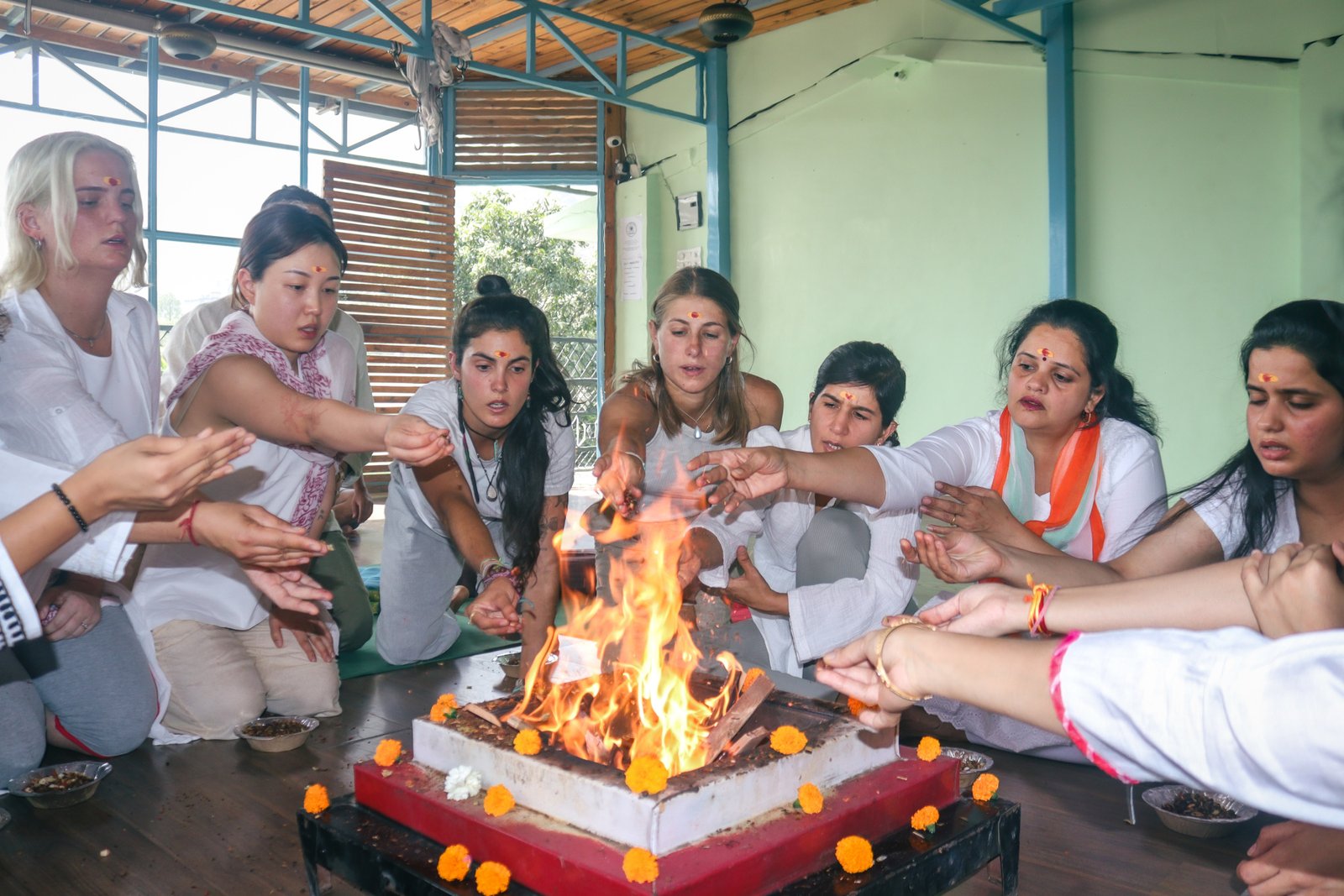
Our yoga school is located in Rishikesh, a peaceful area surrounded by lush Himalayan mountains and the sacred Ganga River. Rishikesh, known as the Yoga Capital of the World, attracts seekers and teachers from around the globe to experience authentic yogic learning and spiritual awakening.
REFUND POLICIES AT TRATAK YOGA ACADEMY
An advance payment of course fees is non-refundable, except in cases of emergencies where students can reschedule to join us on other available schedules.
YOUR INVESTMENT IN TRANSFORMATION
Join our next batch and invest in your future as a yoga teacher and practitioner. With a rich curriculum, experienced teachers, small groups and full support, your training in Rishikesh will be deeply transformational.
🧘 Visit www.tratakyoga.com or contact us directly for current batch dates, fees and accommodation options.
CERTIFICATION
Upon successful completion, students receive a 300 Hour Aerial Yoga Teacher Training Certificate from Tratak Yoga Academy, Rishikesh — a Yoga Alliance–recognized school.
ENROLL NOW
Join Tratak Yoga Academy in Rishikesh, India, and advance your yoga journey through this transformative 300 Hour Yoga Teacher Training Course.
📞 Call / WhatsApp: +91 88266 06304
🌐 Website: www.tratakyoga.com
📩 Email: jai.tratak@gmail.com
✨ Deepen your knowledge, refine your practice, and evolve into an inspiring yoga teacher.
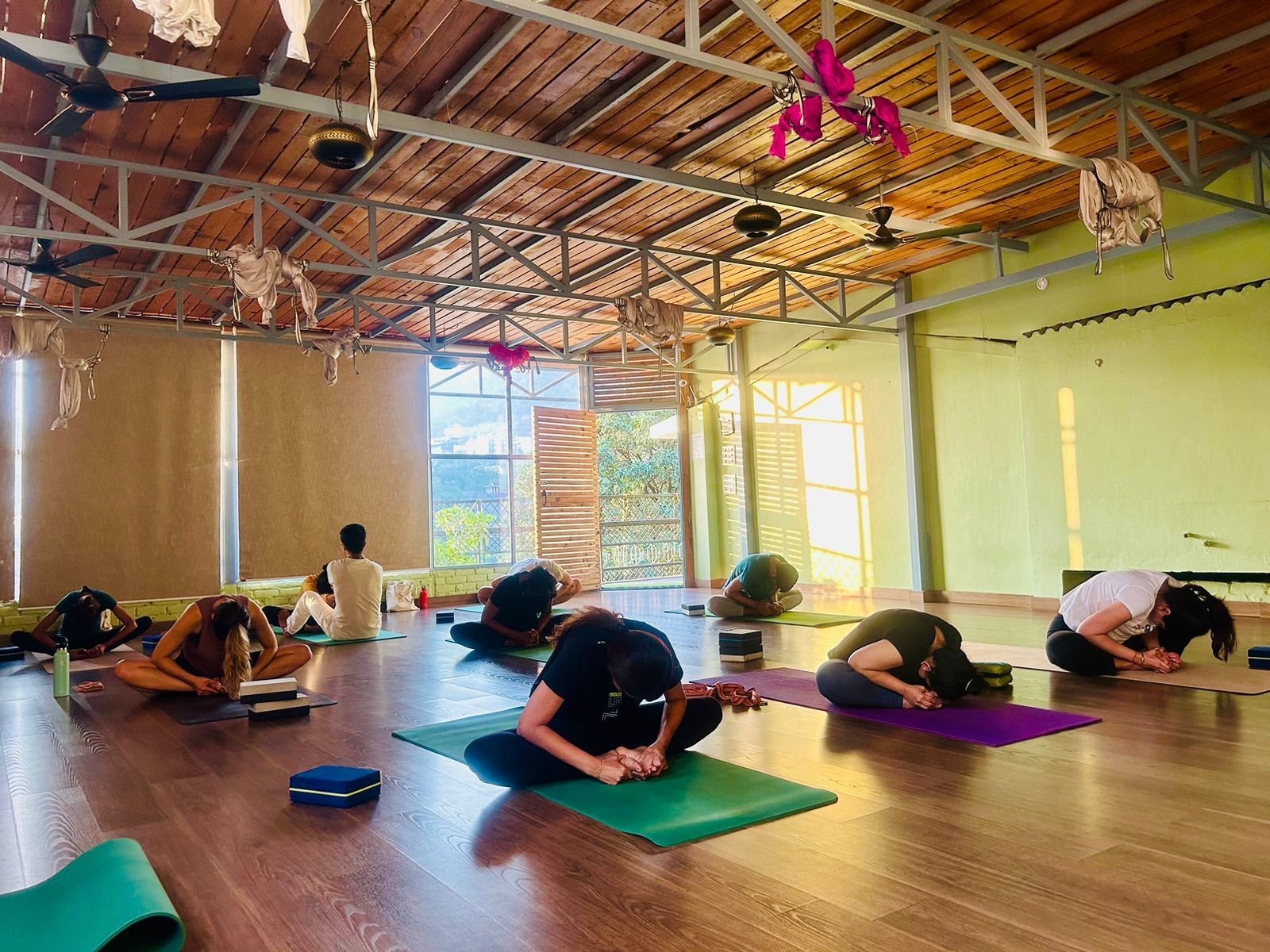
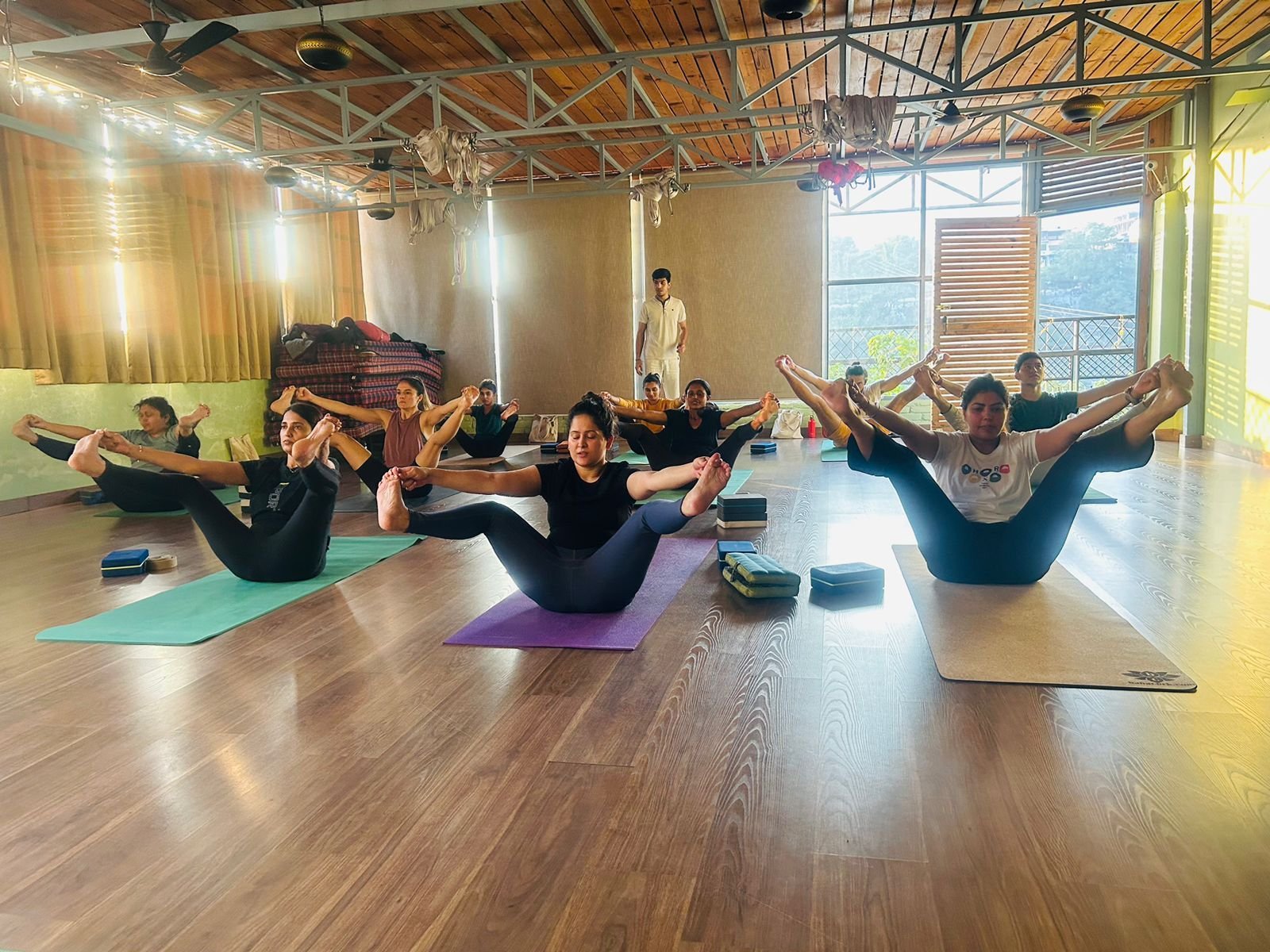
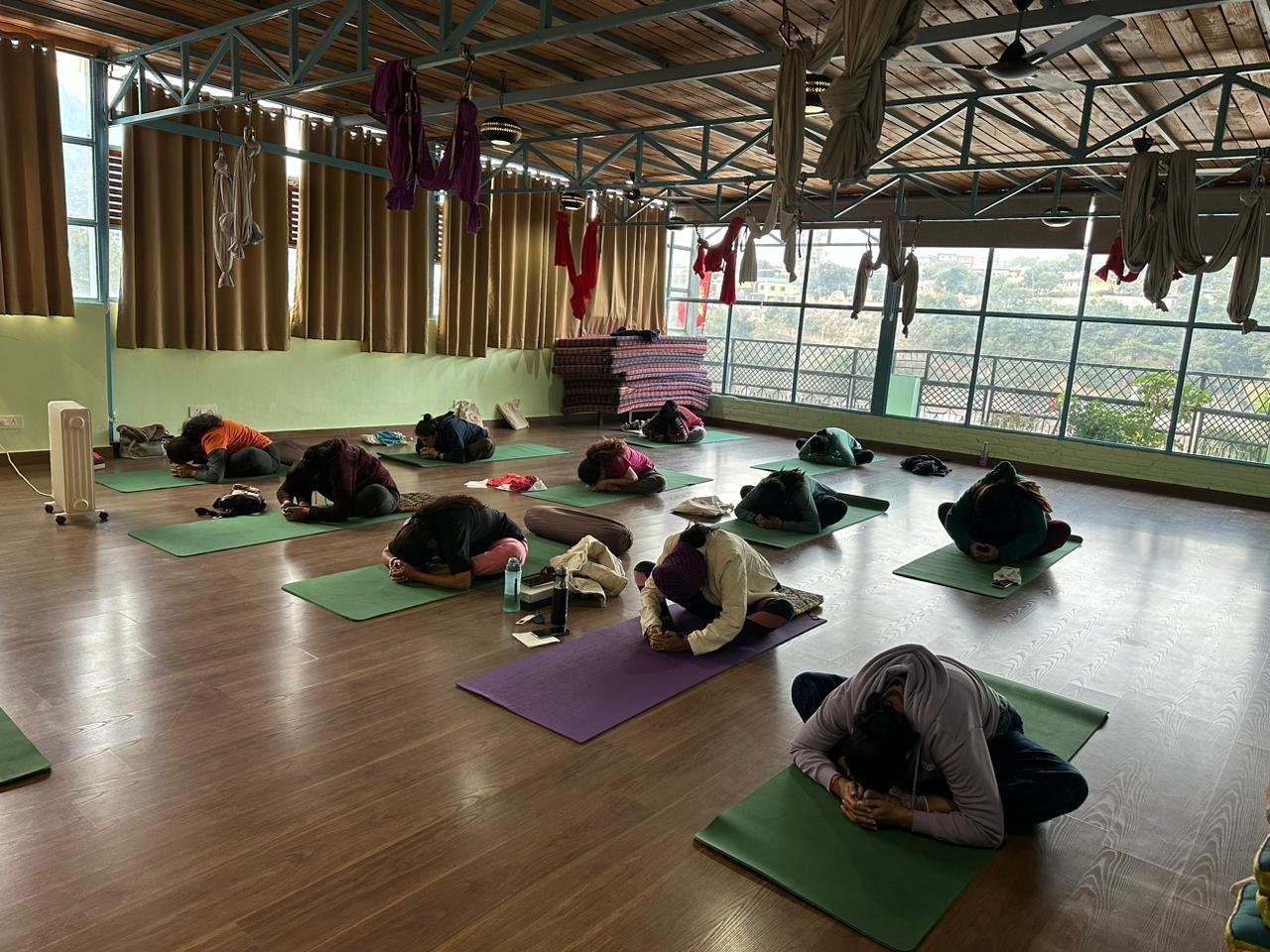
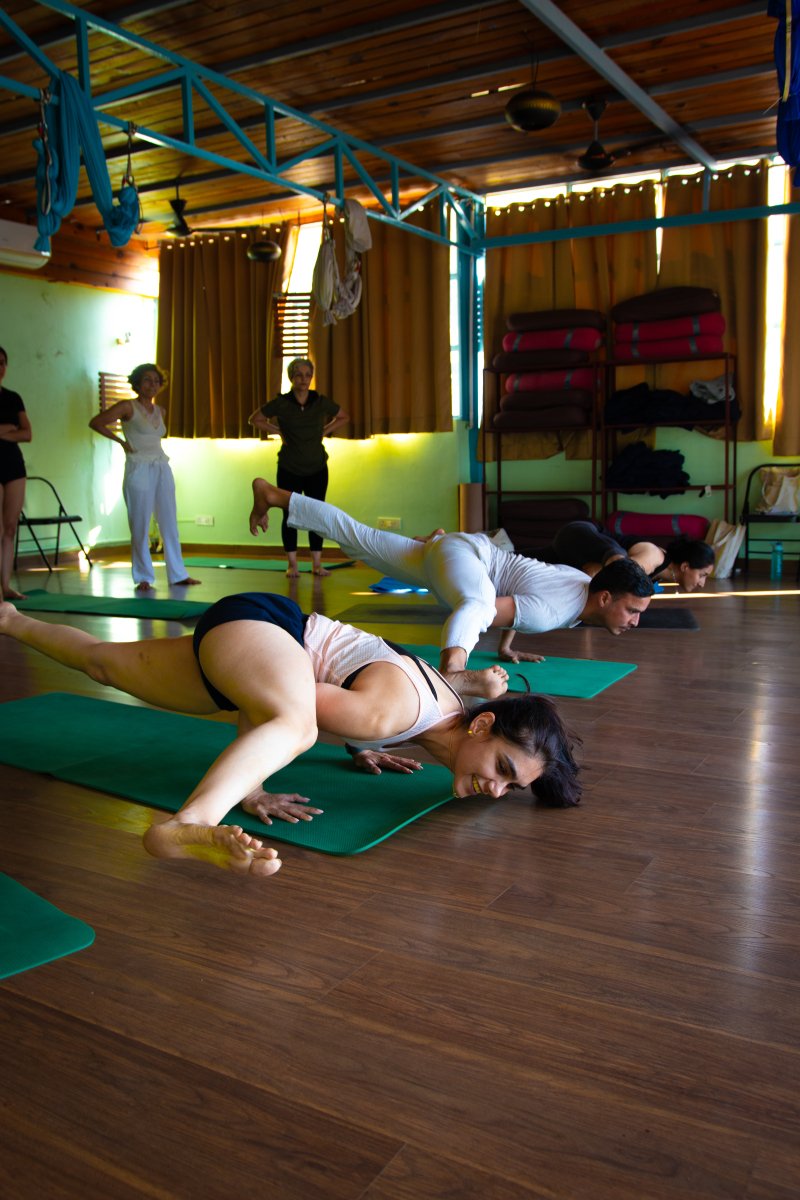
IMAGES OF OUR CENTER