
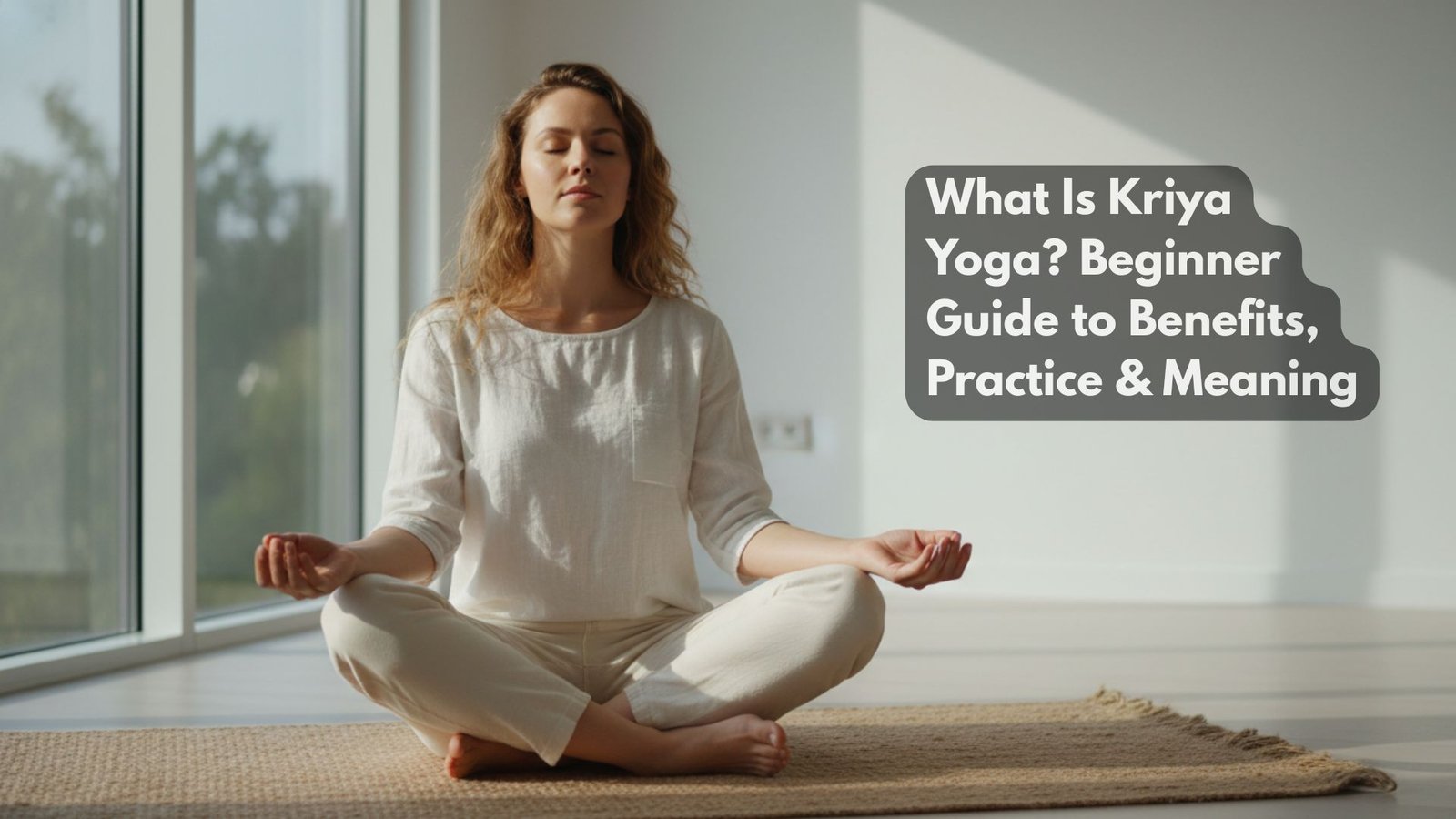
It usually starts like this. You’re sitting in your room, maybe after classes, scrolling through random videos, and suddenly someone is talking about “kriya yoga” like it’s some secret shortcut to calm your mind. You pause. You listen. And then you think, what is kriya yoga actually, and why do people speak about it like it’s different from regular yoga?
I’ve seen this confusion a lot, especially with students who already feel stressed from exams, deadlines, or just figuring life out. You try one breathing technique, it feels weird, and you quit. Fair enough.
This guide is going to break it down in plain language. We’ll talk about what kriya yoga is, how it works, where it comes from, and what it actually feels like to practice it as a beginner. I’ll also connect it with things like kundalini and meditation so you don’t feel lost halfway through.
What is Kriya Yoga and why people keep talking about it
Let me explain this simply. Kriya Yoga is a meditation practice that mixes breathing, focus, and body awareness to help you control your energy and calm your mind. That’s the basic idea.
The phrase itself sounds heavy because it comes from Sanskrit. “Kriya” means action, and “yoga” means union. So when people say kriya yoga explained in simple terms, they mean actions that help you connect your body, mind, and breath.
Now here’s something nobody tells you right away. It doesn’t feel magical on day one.
A student I once spoke to, Aarav, tried it after watching a video at 11 PM before his physics test. He sat cross-legged, tried to follow his breath, and within two minutes he was thinking about formulas again. He thought it didn’t work. But the issue wasn’t the method. It was expectation.
Kriya Yoga isn’t about instant silence in your head. It’s more like training your attention slowly, the same way you’d train for a sport.
If you’re starting out, don’t chase a perfect experience. Just notice your breath without forcing anything. That’s already a good start.
Kriya Yoga is an ancient practice but still feels relevant
Kriya Yoga is an ancient system. It was passed down through teachers for centuries before it became popular in modern times. One of the reasons people still follow it is because it’s simple at its core. You don’t need equipment. You don’t need a gym. You just need your breath and some patience.
But here’s where it gets interesting.
Unlike basic yoga poses, kriya focuses more on internal movement. You’re not stretching your body as much as you’re working with your breathing rhythm and awareness.
A girl named Meera once told me she tried regular yoga classes and felt bored. Too slow for her. Then she tried a basic kriya breathing practice in the morning. She didn’t suddenly become peaceful or anything. In fact, she got slightly irritated because her mind kept jumping around. But after a week, she noticed she wasn’t panicking before her presentations anymore.
That change wasn’t dramatic. It was subtle. And that’s how this practice usually works.
If you’re expecting something flashy, you might miss what’s actually happening.
How Kriya Yoga actually works in your body

This part sounds technical, but I’ll keep it easy.
Kriya Yoga works by controlling your breath in a certain pattern. When your breathing slows down, your nervous system calms down too. That’s the system in your body that controls stress and relaxation.
You know that feeling when your heart races before an exam? That’s your body reacting. Kriya techniques try to reverse that by slowing things down from the inside.
There’s also a focus on something called energy flow. You don’t need to fully understand it right now. Just think of it as attention moving through your body.
A student named Riya practiced a simple kriya breathing technique every evening after coaching classes. The first few days felt pointless to her. She even checked her phone mid-practice. But around day six, she noticed something odd. Her usual headache after studying didn’t show up that evening.
Was it fully because of kriya? Maybe, maybe not. But her breathing had slowed, and her body wasn’t as tense.
If you try this, don’t overcomplicate it. Sit comfortably, keep your back straight, and just observe your breath for a few minutes. That’s enough for now.
Kriya Yoga vs Kundalini Yoga benefits and differences
People mix these two a lot, so let’s clear it up.
Kundalini yoga is another practice that focuses on awakening energy in the body. It often includes chanting, movement, and breathing together. When people talk about what is kundalini yoga benefits, they usually mention increased awareness, energy, and emotional balance.
Kriya Yoga is quieter. Less movement. More focus on controlled breathing and stillness.
Here’s a real situation. Kabir joined a kundalini class because his friend recommended it. There was chanting involved, and he felt awkward. He stopped after two sessions. Later, he tried kriya yoga at home through a guided session. No chanting. Just breathing. That felt more comfortable for him, so he stuck with it.
That doesn’t mean one is better than the other. It just depends on what you’re okay with.
If you feel weird doing chants or group practices, kriya might suit you more. If you like structured sessions with movement, kundalini could feel more engaging.
Does that make sense so far?
What a beginner Kriya Yoga practice looks like
Let’s make this real.
A basic kriya session for a beginner usually looks like this:
- You sit in a comfortable position
- Keep your spine straight but not stiff
- Close your eyes or soften your gaze
- Focus on your breath going in and out
- Slowly deepen the breathing without forcing it
That’s it. No complicated steps at the beginning.
A student named Neha tried this before her morning classes. First day, she lasted three minutes. Second day, five. By the end of the week, she could sit for ten minutes without checking her phone.
She didn’t suddenly become super focused in class. She still got distracted sometimes. But she noticed she could bring her attention back quicker.
That’s the actual benefit. Not perfection. Just better control over your focus.
If your mind keeps wandering, don’t fight it. Just bring it back gently. You’ll be doing that a lot, and that’s normal.
Common doubts about Kriya Yoga beginners have
Let’s address a few things people usually worry about.
One, “Am I doing it right?”
Honestly, if you’re breathing and paying attention, you’re not completely off track. Beginners always think there’s a perfect way. There isn’t.
Two, “Why am I getting bored?”
Because your brain is used to constant stimulation. Sitting quietly feels strange at first. It’s like switching from loud music to silence.
Three, “How long before I see results?”
This one’s tricky. Some people feel calmer in a week. Others take longer. It depends on how consistent you are.
A guy named Rahul tried kriya for three days and quit because he “felt nothing.” Then exams hit, stress increased, and he came back to it. This time he stuck with it for two weeks. He didn’t feel amazing, but he felt slightly less overwhelmed. That was enough for him to continue.
So yeah, results are not instant. But they do show up in small ways.
How to stay consistent without forcing yourself
Consistency is where most people struggle.
You start strong, miss a day, then stop completely. Happens to almost everyone.
Here’s what worked for a student named Isha. She didn’t fix a strict time. Instead, she linked kriya practice to something she already did daily. After brushing her teeth at night, she sat for five minutes. That’s it.
No pressure. No long sessions.
Because of that, she didn’t feel like skipping it. It became part of her routine without feeling heavy.
If you’re trying this, don’t aim for 30 minutes from day one. Start with five. Even three is fine. Just make it regular.
Also, don’t wait for the “perfect mood.” You won’t always feel like doing it.
How Kriya Yoga connects with daily student life
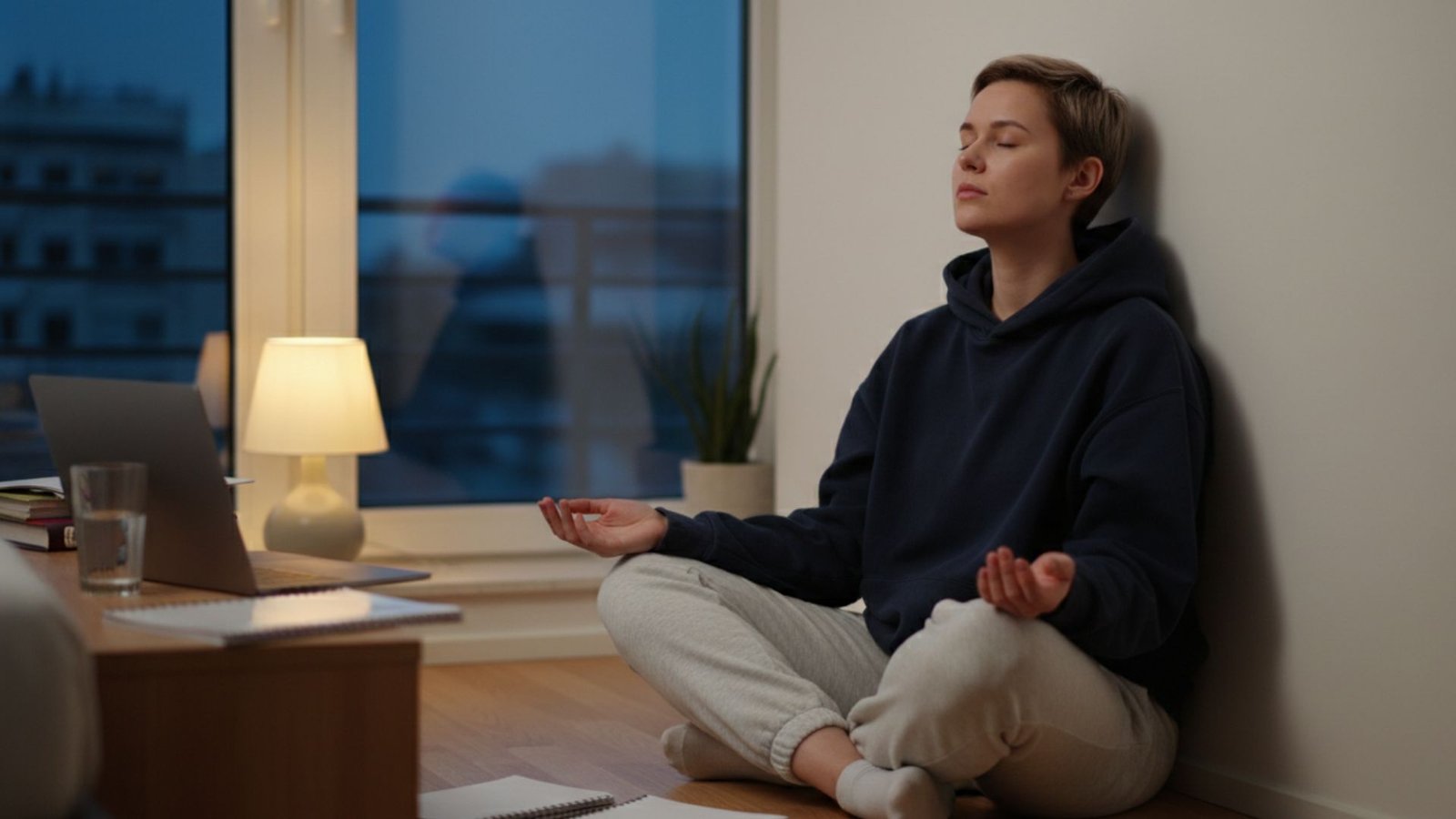
This is where it actually matters.
Kriya Yoga isn’t just about sitting quietly. It changes how you react during the day. That’s the real effect.
For example, Arjun used to panic during math tests. His mind would go blank even when he knew the answers. After a few weeks of basic breathing practice, he noticed something small. When he felt that panic rise, he took a slow breath instead of rushing. It didn’t fix everything, but it stopped things from getting worse.
That’s how this practice fits into real life.
You won’t suddenly become calm all the time. But you’ll get a bit more control over your reactions. And that helps more than people think.
Have you ever noticed how one moment of panic can mess up a whole exam or presentation? Even a small improvement there makes a difference.
Final thoughts on what is kriya yoga
So, what is kriya yoga really?
It’s a simple but steady practice that uses breathing and awareness to calm your mind and manage your energy. Nothing fancy. No need to overthink it.
We talked about how it works, what it feels like for beginners, how it compares with kundalini yoga, and how students actually experience it in daily life. The idea is not to become perfect at meditation. It’s to get a little better at handling your thoughts and stress.
If you’re curious, try this for a week. Sit quietly for five minutes every day and just focus on your breath. No expectations. No pressure to feel anything special.
After a few days, ask yourself honestly if something feels different. Not dramatically better. Just slightly easier.
That’s where most people start noticing the shift.
FAQs
1. What is kriya yoga in simple words?
It’s a breathing and meditation practice that helps you calm your mind and focus better. You don’t need to do complicated poses. You mostly sit and work with your breath and attention.
2. Is kriya yoga hard for beginners?
Not really, but it can feel uncomfortable at first because you’re not used to sitting quietly. The techniques themselves are simple. Staying consistent is the harder part.
3. How long should I practice kriya yoga daily?
Start with 5 to 10 minutes. You don’t need long sessions in the beginning. What matters more is doing it regularly, even if it’s short.
4. What is kundalini yoga benefits compared to kriya yoga?
Kundalini yoga includes movement, breathing, and sometimes chanting, which can feel more active. Kriya yoga is quieter and more focused on breath control. Both help with focus and stress, just in different ways.
5. Can students benefit from kriya yoga?
Yes, especially for managing stress and improving focus. It won’t make studying easy overnight, but it can help you stay calmer during exams and daily pressure.






Comments are closed