
So you’ve been practicing yoga for a while now, and somewhere between a shaky Warrior II and that one morning where you actually held your breath with something that felt like peace, a thought hit you: What if I could learn this properly? Maybe you even typed “100 hour yoga TTC in Rishikesh” into Google at 1 AM, then closed the tab because it felt too big a decision to make on a Tuesday night.
That’s a very normal place to be. This article breaks down everything you’d want to know before signing up for a 100 hour yoga teacher training in Rishikesh India, from what actually happens inside the classroom to how a typical daily schedule looks, what you get certified in, and honestly, whether this course is the right fit for where you are right now. If you’re sitting on the fence between this and the 200 hour program, that comparison is in here too.
What Is the 100 Hour Yoga TTC in Rishikesh, Really?
Let me explain this simply, because a lot of websites make it sound more complicated than it needs to be. A 100 hour yoga teacher training course is essentially the first half of a full 200 hour certification. The 200 hours is the internationally recognized baseline set by Yoga Alliance USA, which is the body that certifies yoga schools and teachers globally. Schools that are Yoga Alliance registered and hold RYS 200 status (Registered Yoga School at 200 hours) can split that curriculum into two parts of 100 hours each.
Tratak Yoga Academy in Rishikesh runs their 100 hour yoga teacher training in Rishikesh on exactly this structure. You complete Semester 1, which is 100 hours, and you get a certificate for that. Then whenever you’re ready, you come back for Semester 2, and together the two semesters give you the full Yoga Alliance certified 200 hour TTC diploma. You have up to 36 months to return and finish the second half, which is a genuinely flexible window.
This structure matters a lot for people who can’t just vanish from their life for four straight weeks. Students, people with part-time jobs, anyone with a travel budget that stretches to 11 days but not 24, this course was built for them.
100 Hour Yoga TTC in Rishikesh: Curriculum Breakdown

Here’s the thing nobody really tells you in the glossy brochures: the 100 hour program doesn’t teach you half of everything. It teaches you the complete foundational layer. You’re not getting a watered-down version. You’re getting the roots.
Asana Practice
The physical postures, what most people think yoga is, cover Hatha Yoga and an introduction to the Ashtanga Vinyasa Primary Series. Hatha focuses on alignment and holding poses steadily. Ashtanga links movement with breath in a set sequence of postures. You also get taught how to assist and adjust a student safely, which is a skill a lot of people underestimate until they’re standing next to someone who looks like they’re about to wrench their knee.
Pranayama and Kriyas
Pranayama means breath control. You’ll learn techniques that work with the energy in the body, not just the lungs. Think of it as learning to drive manual instead of automatic. You get tools like Kapalabhati (a forceful exhale-focused breathing technique), Nadi Shodhana (alternate nostril breathing), and others. Kriyas are cleansing practices, things like Jal Neti, which is a nasal rinse using a small pot and saline water. It sounds alarming. Most students find it weirdly satisfying by day three.
Meditation and Yoga Nidra
Yoga Nidra is a guided relaxation practice where you lie down and follow a teacher’s voice through body and breath awareness. It sits right between sleep and consciousness. It’s genuinely useful for stress and sleep, and there’s a fair amount of research behind it now. You’ll practice it as a student and begin to understand how to guide others through it.
Philosophy
You’ll spend time with the Yoga Sutras of Patanjali, which is an ancient text that lays out the philosophy and ethics of yoga. Eight limbs, not eight poses. The ethical principles of non-harm, truthfulness, and self-discipline form the spine of this section. It’s not as dry as it sounds, especially when a good teacher connects it to real situations in class and daily life.
Anatomy
Basic human anatomy in relation to yoga movement. You’re not memorizing a medical textbook. You’re learning why someone’s hamstrings shouldn’t be stretched the same way you’d stretch your own if they’ve had a previous injury, and how the spine behaves in forward folds versus backbends.
Chanting and Teaching Methodology
Mantra chanting, opening and closing prayers, and the basics of how to structure and deliver a yoga class. This is where the “teacher” part of teacher training actually begins.
The Daily Schedule: What Your 11 Days Actually Look Like
Most students arrive one evening before the course starts, which at Tratak Yoga is around 5:00 PM check-in. The course runs for 11 active days.
A standard day looks roughly like this:
- 6:00 AM — Morning Shatkarma or Pranayama practice
- 7:00 AM — Asana session (Hatha or Ashtanga, depending on the day)
- 9:00 AM — Breakfast
- 10:30 AM — Yoga Philosophy or Anatomy class
- 12:30 PM — Lunch
- 2:00 PM — Teaching Methodology or Alignment workshop
- 4:00 PM — Afternoon Asana or Adjustment practice
- 6:00 PM — Meditation or Yoga Nidra
- 7:30 PM — Dinner and rest
That’s a full day. I’ll be honest with you, the first two days feel overwhelming to almost everyone. There was a student I know of, a guy named Arjun who came to Rishikesh in October having only practiced yoga through YouTube videos.
100 vs 200 Hour Yoga Teacher Training: Which One Should You Pick?
Many people ask me this and the honest answer is: it depends on time, budget, and what you’re going back home to.
The 200 hour yoga teacher training in Rishikesh is the full certification in one go, four weeks, and you leave with a Yoga Alliance recognized 200 hour certificate that lets you register as an RYT 200 teacher internationally. If you have the time and can commit to four weeks, this path has fewer moving parts. You don’t have to plan a return trip. Everything is done.
The 100 hour path makes sense if you’re in school or between jobs, traveling through India and want to use 11 days meaningfully, or genuinely unsure whether full-time teaching is where you’re headed but want to find out. A lot of people do Semester 1 and come back six months later for Semester 2. Some come back two years later. The 36-month window is there because life happens.
One thing worth knowing: the 100 hour certificate on its own doesn’t register you as an RYT with Yoga Alliance. You need both semesters for that. So if your goal is to teach professionally, you’re signing up for both parts eventually. The 100 hours gives you the certificate and the foundation. The 200 hours gives you the full credential.
For those who want to go even deeper after their 200 hours, Tratak Yoga also offers the 300 hour yoga teacher training in Rishikesh and the 500 hour yoga teacher training in Rishikesh, which are advanced programs for people who want to teach professionally at a higher level or specialize.
Why Rishikesh? And Does It Actually Matter?

There’s a reason almost every yoga school worth attending is located in or near Rishikesh. The city sits in the foothills of the Himalayas, along the Ganga River, and has been a center for yogic study for centuries. That’s not marketing. That’s geography and history working together in a way that’s genuinely hard to replicate in a city gym.
The environment does something to how you practice. Early morning sessions with cool mountain air and the sound of the river in the background, it changes the pace your nervous system runs at. Students who’ve done teacher trainings both in their home country and in Rishikesh consistently say the India version goes deeper, and not just because of the curriculum.
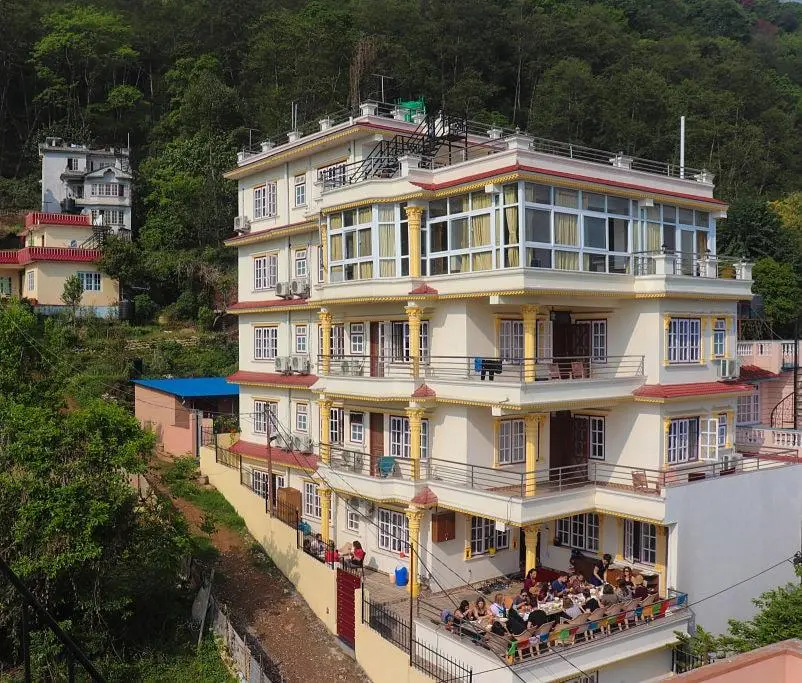
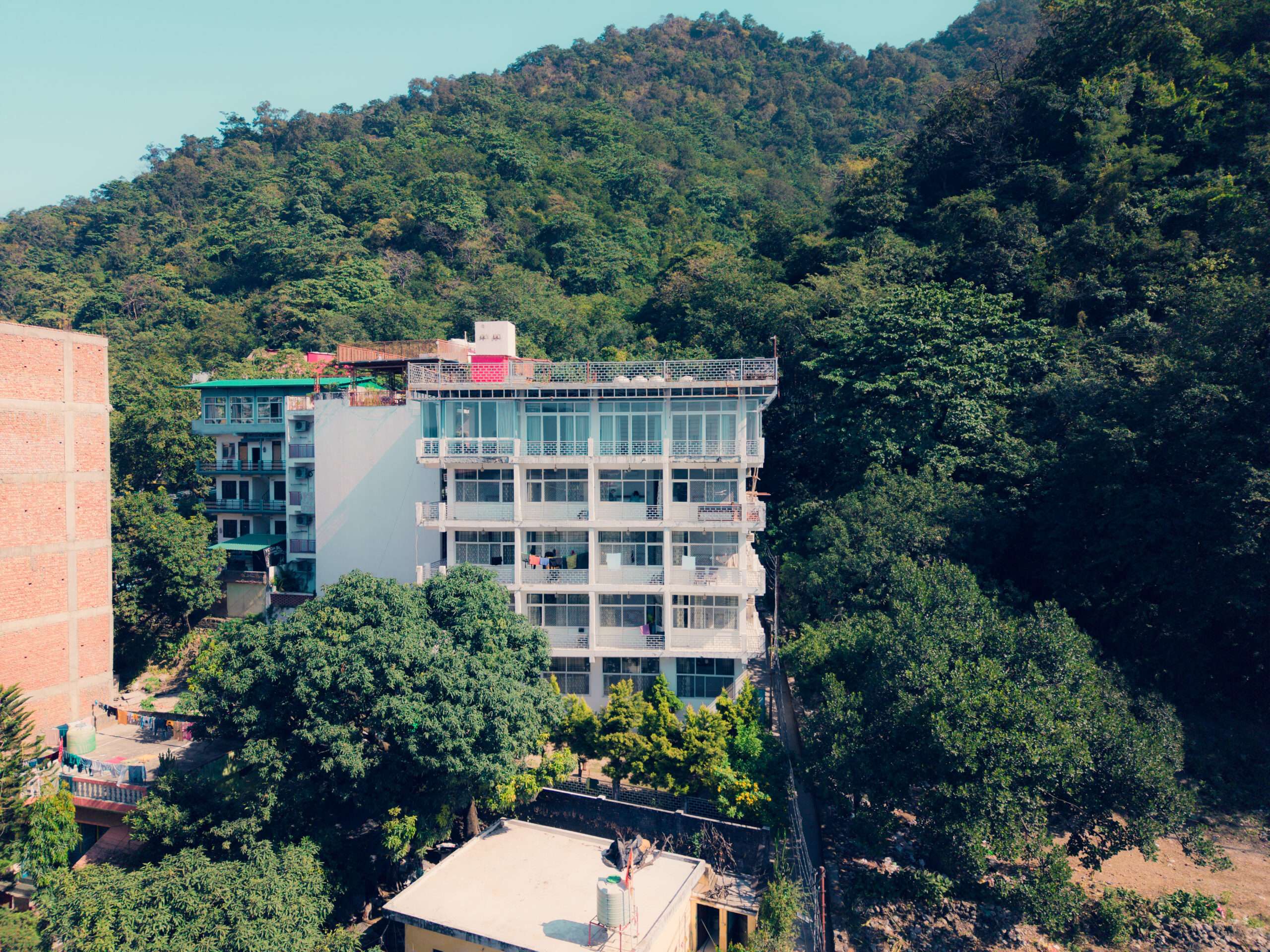
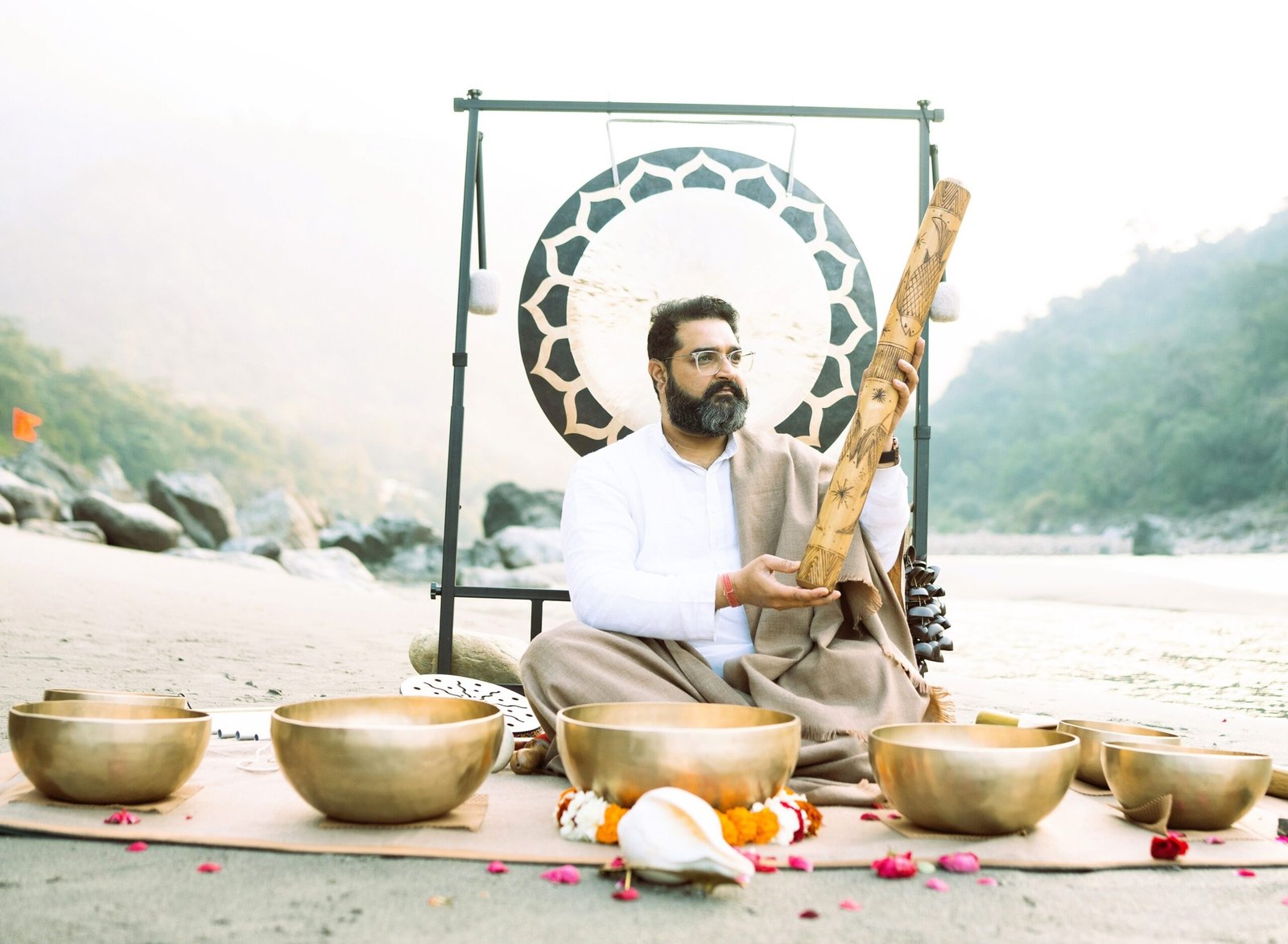
Tratak Yoga’s school sits near the Ganga, surrounded by mountains, and the food served is traditional vegetarian yogic diet, which is part of the learning experience too. Ayurveda, the traditional Indian system of health, informs how yoga schools think about food, sleep, and daily rhythm. You don’t have to become a strict yogic eater for life. But spending 11 days eating this way changes your baseline understanding of how your body feels.
Have you ever felt like your regular environment makes it harder to change your habits, no matter how hard you try? That’s one of the real reasons people choose a residential training. The environment does a portion of the work for you.
What’s Included and What to Expect Practically
At Tratak Yoga, the 100 hour course runs every month from the 1st to the 11th. Pricing in 2026 sits at $800 USD for twin sharing accommodation and $1,000 USD for a private room, with an additional $200 for the private room option. You pay 20% to book your spot, and the rest on arrival.
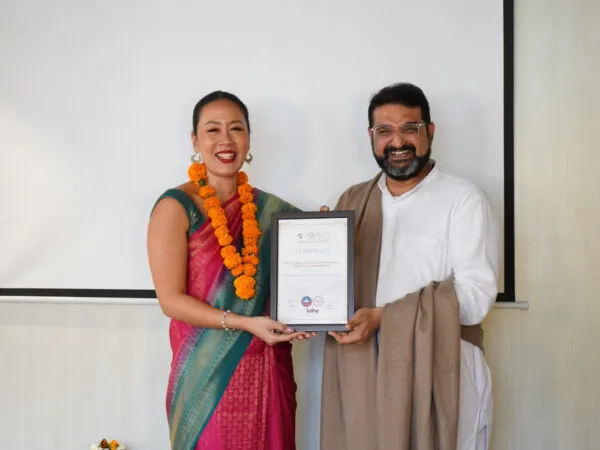
What’s typically included: accommodation, three meals daily, course materials, and the certificate on completion. What you’re responsible for: your flights and visa to India, travel from Dehradun airport or Haridwar station to Rishikesh, personal expenses, and any sightseeing.
Practical things to know before you land: bring loose, comfortable clothing. Rishikesh mornings are cool even in summer. A light layer for 6 AM practice isn’t being overprepared. Leave the fancy workout sets at home. No one’s judging your leggings brand in an ashram.
What You Leave With (Beyond the Certificate)
The certificate is real and it counts. But that’s not usually what students talk about when they describe the experience afterward.
What most people take home is a practice that actually belongs to them, not one borrowed from a YouTube teacher they like but don’t fully understand. They leave knowing why a posture works the way it does, not just what it looks like from the outside. They understand their own breathing habits, the places in their body that carry tension by default, and a few tools to work with both.
Some go on to complete their Semester 2 and eventually register as teachers. Others go back to whatever they were doing but practice differently from that point. Neither outcome is wrong.
Wrapping This Up
This article has covered what the 100 hour yoga TTC in Rishikesh India actually is, how the semester system works at a school like Tratak Yoga, what the curriculum includes across asana, pranayama, meditation, philosophy, and anatomy, and how a daily schedule is structured across those 11 days. It also covered the key difference between 100 vs 200 hour yoga teacher training and why that choice matters depending on your situation.
If any of this resonates with where you are right now, the most practical thing you can do today is go look at the 100 hour yoga teacher training course page at Tratak Yoga and check the upcoming dates for 2026. The course runs monthly, which means there’s almost always a batch starting within weeks of when you’re reading this.
FAQs
1. Is 100 Hour Yoga TTC in Rishikesh worth it?
Yes, if you want to understand yoga properly without committing to a long course. It gives you a solid base, but it’s not enough for teaching professionally.
2. Can I teach after completing 100 hours?
Not really. You’ll need at least a 200-hour certification to teach officially. Think of 100 hours as preparation.
3. How long is the course?
Usually around 12 to 14 days, depending on the school and schedule.
4. Is prior yoga experience required?
No. Beginners join all the time. You just need basic fitness and willingness to learn.
5. What should I pack for the training?
Comfortable clothes, a notebook, basic toiletries, and an open mind. That last one matters more than anything else.